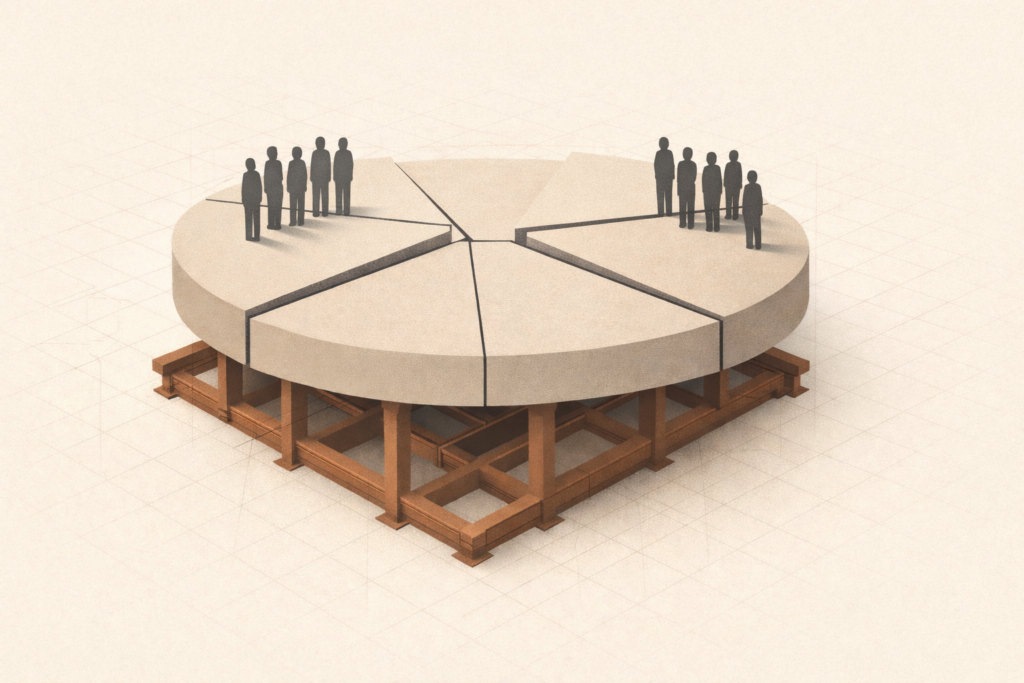
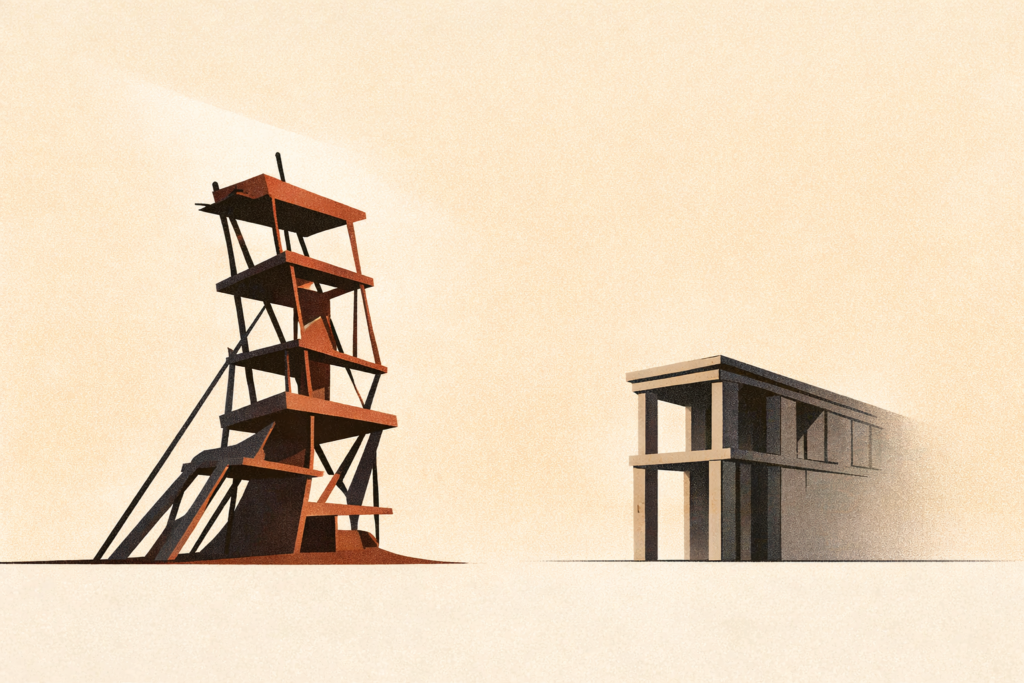
The facade can tell a story. The structure reveals what actually holds.
About the Series
Real Talk Blueprint
Real Talk Blueprint examines the gap between the story people tell and the structure their behavior actually creates.
People explain. People promise. People perform. They also repeat.
Real Talk Blueprint pays attention to the repetition.
The series looks beneath relationships, culture, media, attention, ownership, accountability, communication, power, and public behavior to ask a more useful question: what does the pattern reveal when the explanation and the evidence do not match?
That distinction matters because appearances can be persuasive. Charm can feel like contribution. Attention can feel like care. Access can look like ownership. Regret can sound like repair. A single explanation can make almost anything seem reasonable.
Structure is harder to fake.
The Real Talk Blueprint Principle
The facade is the story. The structure is the behavior. Repetition reveals the blueprint.
How Real Talk Blueprint Reads a Pattern
Every situation is different, but the method remains consistent. Move past the presentation and examine what the system keeps producing.
01 / The Story
What is being said?
Listen to the explanation, promise, intention, justification, identity, or image being presented.
02 / The Evidence
What keeps happening?
Look for repetition, contribution, avoidance, repair, consequences, incentives, boundaries, and observable behavior.
03 / The Blueprint
What does the pattern build?
Follow the behavior forward. Does the structure create trust, instability, clarity, dependency, ownership, resilience, or recurring damage?
The Behavior Test
When the explanation sounds convincing but something still feels structurally wrong, stop debating the story and interrogate the pattern.
What happened?
Strip away interpretation and describe the observable behavior.
Has it happened before?
One event may be an exception. Repetition is evidence.
What happened after?
Look for accountability, repair, avoidance, blame, adjustment, or escalation.
Who carries the cost?
Systems reveal themselves through who absorbs the inconvenience, risk, labor, confusion, or loss.
What does repetition produce?
Follow the pattern forward. That future is usually the real blueprint.
What the Series Examines
Real Talk Blueprint moves across several areas because relationships, culture, money, attention, community, and power are rarely as separate as they appear.
Relationships, compatibility, conflict, repair, boundaries, reciprocity, and emotional responsibility.
Culture, media, public behavior, virality, humiliation, influence, and digital incentives.
Attention, visibility, status, performance, identity, and the gap between being seen and being valued.
Ownership, access, leverage, institutions, power, and who actually controls the structure.
Accountability, discernment, judgment, contribution, standards, and what repeated behavior proves.
The Standard
What people repeat tells you more than what they promise.
Real Talk Blueprint is cultural literacy, relationship literacy, and behavioral discernment practiced with structure. The goal is not cynicism. It is clarity.
Read the story. Respect the explanation. Then examine the structure. The blueprint is usually already there.
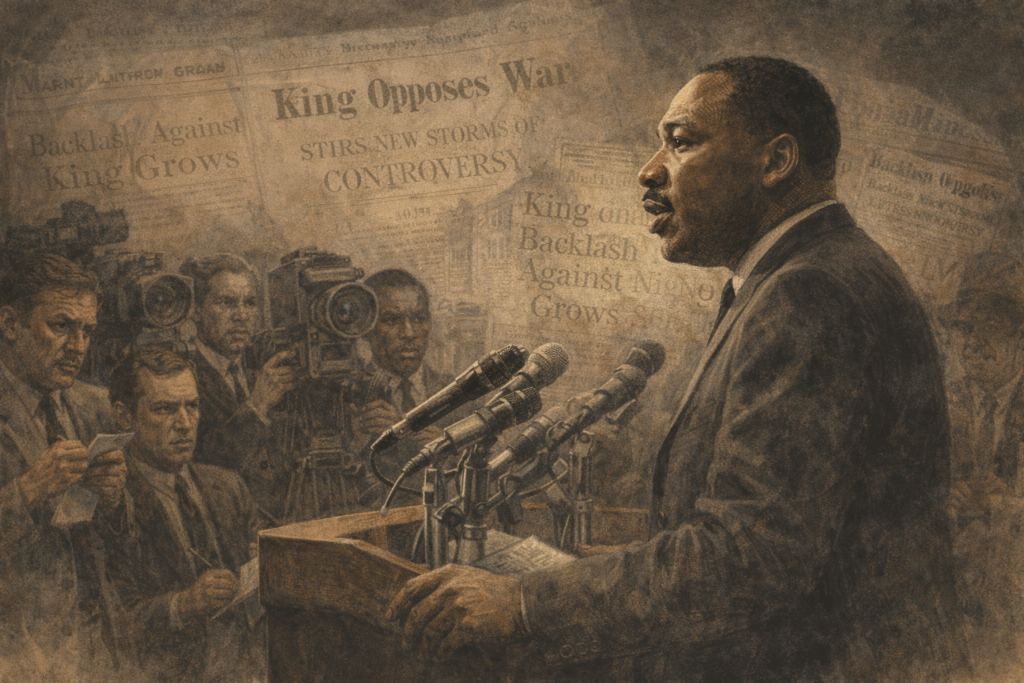
Why did Martin Luther King Jr. face broader opposition after 1965? His later work moved beyond segregation into housing, poverty, labor, Vietnam, and economic power. Understanding that expansion reveals a more complete picture of King’s final years.
Why loud men rarely lead is not really about volume. It is about what repeated behavior reveals when confidence becomes performance and leadership lacks restraint, judgment, and clear standards.
Black diaspora identity conflict is escalating online, especially across social media platforms amplifying FBA vs immigrant debates. This piece examines how algorithmic incentives, cultural insecurity, and unresolved lineage conversations are turning identity into spectacle instead of structure.
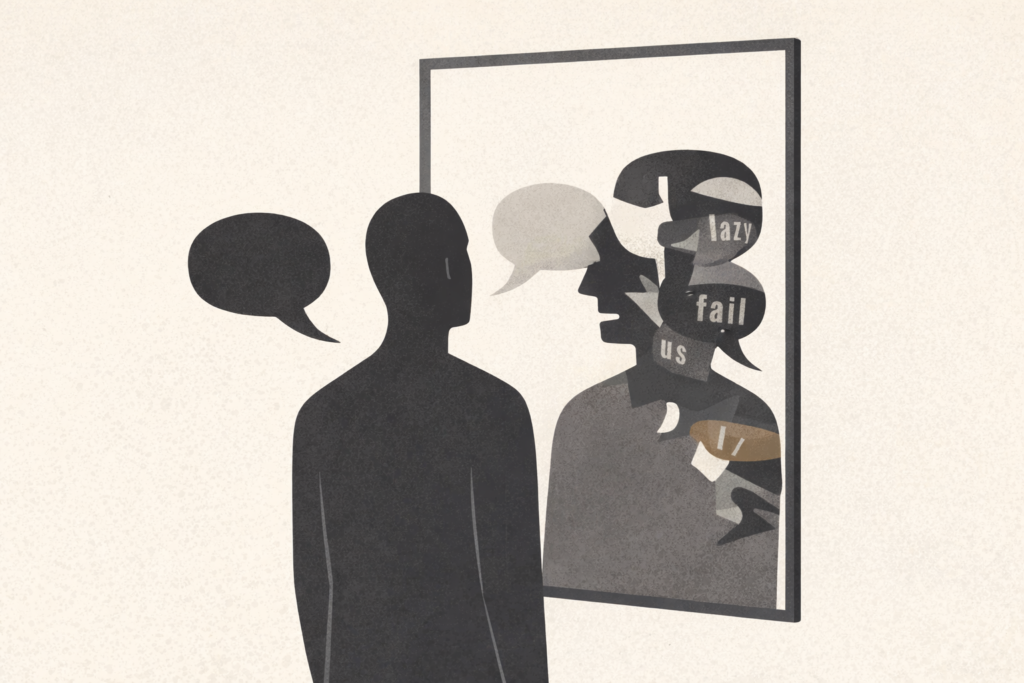
Language shapes identity in quiet ways. When communities repeat negative labels about themselves, those words can slowly influence expectations, behavior, and culture.
The internet taught people how to look powerful before it taught them how to be grounded. Somewhere along the way, presence became volume, confidence became performance, and leadership became a costume built for engagement instead of substance.
Drama dominates because it fits the incentive structure. Serious people lose because substance does not perform well in attention economies designed for spectacle.
He chose stability. He came home. So why does something still feel unfinished?
This Real Talk Blueprint flips the lens on modern relationship expectations and asks what partnership requires after the chaos is gone.
Boundaries are not polite requests or emotional ultimatums. They are clear instructions backed by follow-through. When boundaries are treated as suggestions, confusion replaces accountability and enforcement disappears.
Gatekeeping can look like protection, standards, or discernment. But when one person becomes the permanent authority over a supposedly shared life, partnership turns into probation. Real households require boundaries, trust, reciprocity, and shared ownership.