
Article Guide

Real Talk Blueprint · Relationships, Gaming, Streaming & Emotional Presence
Real Talk Blueprint examines what gaming actually does inside a person’s life: leisure, decompression, social connection, competition, creative work, income, or some combination of them.
Gaming is not automatically a green flag because somebody stays home, and it is not automatically a red flag because games take time. The real question is whether gaming fits inside a responsible life where work, relationships, rest, friendship, money, and shared obligations remain sustainable.
Women dating gamers sometimes have to explain the preference like somebody requested a supporting affidavit.
He plays video games? Yes. Voluntarily? Also yes. Sometimes for several hours.
And depending on the gamer, those hours may be doing very different jobs.
He may be decompressing after work. He may be playing with friends he’s known for fifteen years. He may be talking to people he first met through gaming. He may be competing. He may be streaming to an audience. He may be creating content around the game. He may even be earning money from some of that activity.
Or he may simply be trying to finish the mission before somebody starts asking why fictional civilization apparently needs him more urgently than the laundry does.
The category matters.
Current gaming-industry research supports a much broader picture than the stereotype of one isolated man sitting in a room avoiding adulthood. Adults report playing for reasons that include relaxation, passing time, fun, challenge, and social connection. Many players also play with other people, stay connected to existing relationships through games, and meet people through gaming they otherwise might never have encountered.
Streaming complicates the picture further because gaming can also become creator work. Eligible creators on major platforms can earn through advertising, subscriptions or memberships, viewer-support features, and other monetization systems.
That doesn’t mean every gamer is a streamer. It doesn’t mean every streamer makes meaningful money. And it definitely doesn’t mean somebody gets to declare themselves an entrepreneur because three cousins watched them play for forty-five minutes.
It means the old framework is too narrow.
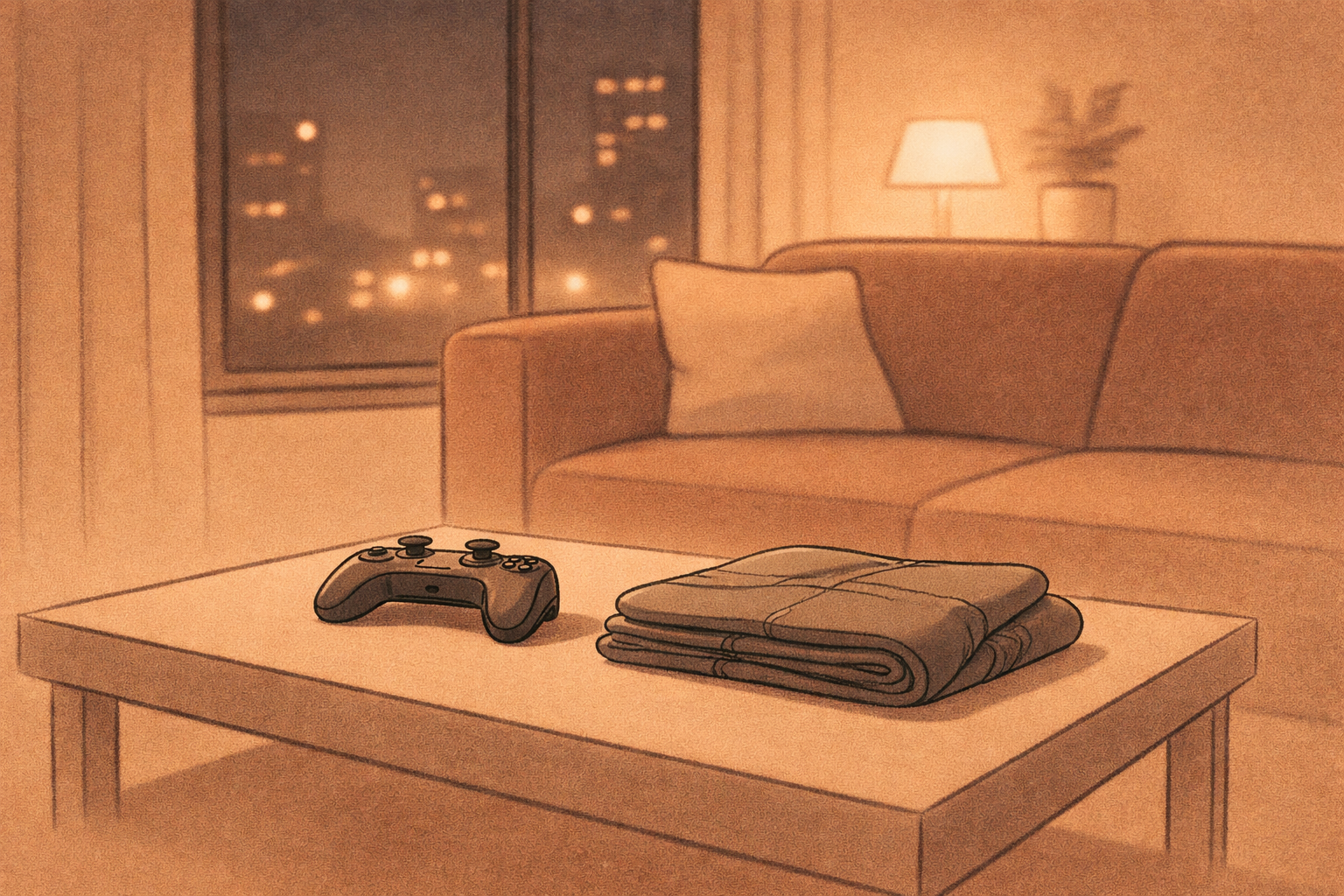
The controller itself tells us almost nothing. We have to ask what role the gaming is actually playing in the life around it.
Why Some Women Prefer Dating Gamers
The simplest answer is that some women genuinely like the lifestyle.
Not every relationship needs nightlife as a major social engine. Not everybody wants weekends organized around crowded rooms, expensive drinks, uncertain arrival times, and text messages that begin with, “We were just about to leave.”
Some people prefer home.
They like routine. They like quiet. They enjoy separate activities happening in the same room. One person games while the other reads, watches something, works on a project, calls a friend, games too, or does absolutely nothing productive because adulthood has already taken enough.
That can be intimacy too. Not every meaningful relationship moment requires direct conversation, synchronized recreation, and a handcrafted cheese board.
The Appeal May Be Lifestyle Compatibility
Gaming can fit particularly well with people who also enjoy home-centered leisure or independent hobbies.
The attraction may have less to do with gaming specifically and more to do with rhythm.
One person values quieter evenings. The other does too. One likes independent interests. The other doesn’t interpret independent interests as rejection. Both understand that closeness can include shared attention and separate attention.
That’s compatibility.
Meanwhile, a partner who strongly prefers nightlife, constant social activity, frequent travel, spontaneous plans, or highly interactive leisure may experience a heavy gaming routine differently.
Nobody has to be wrong. The relationship simply has to determine whether the lifestyles fit.
Start by Asking What the Gaming Is Actually Doing
Calling all gaming a hobby creates bad analysis.
Sometimes gaming is leisure. Sometimes it’s social life. Sometimes it’s competition. Sometimes it’s content creation. Sometimes it’s work. Sometimes the same person moves among all five categories during the same week.
Gaming Can Be Decompression
People use different activities to transition out of stress.
Some watch television. Some exercise. Some read. Some garden. Some scroll until their thumb files a labor grievance. And some play games.
Recent U.S. player research from the Entertainment Software Association shows that relaxation and passing time remain common reasons adults play video games. Its 2026 research also found broad agreement among adults that games can provide stress relief.
That’s not evidence that gaming is therapy or that every player regulates stress well.
It establishes something much narrower: using games to unwind is ordinary gaming behavior, not a bizarre developmental failure.
Gaming Can Be Social Connection
The isolated-gamer stereotype also misses a large part of modern gaming.
Multiplayer games, cooperative games, competitive communities, voice chat, guilds, clans, Discord communities, and recurring online sessions can make gaming highly social.
Some players are spending that time with people they already know offline. Others maintain friendships across geography through games. Others meet people through gaming whom they would not otherwise have encountered.
The Entertainment Software Association’s 2026 research reports that 49% of players say games help them stay connected with friends and family, while 47% say they have met people through video games whom they otherwise would not have met. The same research reports that 37% have met a good friend, spouse, or significant other through games.
That doesn’t make every online interaction a meaningful friendship. It does mean “he’s gaming” and “he’s alone” aren’t interchangeable statements.
Gaming Can Also Be Revenue-Producing Work
This distinction matters even more now.
Some gamers also stream. Others make edited gaming videos, guides, commentary, tutorials, competitive content, reviews, or other creator material.
Major platforms provide formal monetization systems for eligible creators. YouTube allows qualifying creators to earn through advertising, channel memberships, Super Chat, Super Stickers, YouTube Premium revenue, and related monetization features. Twitch also provides creator monetization through features such as subscriptions and Bits, while payout eligibility remains tied to its creator-program requirements.
In those cases, gaming time may partly be production time.
The person isn’t necessarily “playing instead of working.” Playing may be part of the work.
But let’s not overcorrect. Having a stream doesn’t automatically make the stream a meaningful business. Income can be inconsistent. Audience development takes time. Monetization eligibility doesn’t guarantee meaningful earnings.
So the useful distinction isn’t “gamer versus professional gamer.” It’s function.
What is this activity doing? Leisure? Friendship? Revenue? Competition? Avoidance? Creative expression? Several of those at once?
Gaming can be leisure, social connection, competition, creative work, or income-producing activity.
The category matters, but the surrounding structure matters more.
Paid work still needs boundaries.
Leisure still needs proportion.
Social connection still needs room for the relationship.
The controller is not the relationship metric. Participation is.
Gaming Does Not Create Stability, but It Can Fit Inside It
The original “not at the club” argument works because it points toward predictability.
Predictability can reduce unnecessary relationship stress.
You know roughly how your partner spends downtime. There may be less mystery around where they disappear every evening. Their leisure or creator activity may happen in a familiar environment with familiar routines.
That can feel peaceful.
Still, predictability and reliability are different.
Predictability tells you what somebody usually does. Reliability tells you whether they consistently handle what they’re responsible for doing.
A person can predictably game every night while also predictably avoiding dishes, bills, parenting, intimacy, sleep, difficult conversations, or basic adult maintenance.
Congratulations. We know exactly where the problem is. That doesn’t make the problem attractive.
On the other hand, someone can finish work, handle responsibilities, spend intentional time with their partner, communicate well, participate in the household, and then spend three hours exploring another fictional universe.
That’s leisure fitting inside life.
Someone else may stream from 7:00 to 11:00 because that is part of their income-producing schedule. That’s closer to work.
The relationship should treat those situations differently while still asking whether the overall arrangement works.
Being Home Is Not the Same as Being Present
This distinction matters more than physical location.
A partner can be sitting six feet away and still be completely unavailable.
They may ignore conversation. Miss shared responsibilities. Respond with irritation every time somebody interrupts. Lose track of agreements. Stay up until 3:00 a.m. and become useless the next day.
Physical proximity can’t carry emotional presence by itself.
At the same time, emotional presence doesn’t require constant availability.
Healthy adults should be allowed to become absorbed in hobbies, friendships, creative work, or paid work. Nobody needs to remain relationship-ready every minute of the evening like an emotional customer-service desk.
The useful question is whether the relationship can still reliably reach the person when reaching them actually matters.
Why “Not at the Club” Feels Attractive to Some Women
The phrase is funny because it carries a real cultural comparison.
For some people, nightlife represents uncertainty they no longer find interesting.
Where are you? Who are you with? Why did the plan change? Why did “one drink” acquire a sunrise?
Those questions can become exhausting when a relationship already contains trust problems.
By comparison, home-based leisure can feel refreshingly uneventful. And uneventful gets underrated.
There’s maturity in discovering that every Friday night doesn’t need a plot.
However, gaming and nightlife shouldn’t be treated as moral opposites.
Going to a club doesn’t make someone irresponsible. Playing games doesn’t make someone faithful. A person can maintain a healthy social life outside the home, and another person can behave terribly without leaving the couch.
Location is weak evidence when behavior tells the stronger story.
When Gaming Becomes Easy to Live With
Gaming tends to create less relationship friction when it sits inside a stable structure.
That structure doesn’t require a rigid schedule or a partner issuing recreation permits. It requires enough clarity to understand what kind of time is being used and what still needs to happen around it.
Responsibilities Get Handled
Work, school, parenting, household tasks, finances, appointments, health, and other responsibilities can’t indefinitely become somebody else’s problem because a match went into overtime.
Adults deserve hobbies. They also don’t deserve exemption from adulthood because the lobby loaded.
If gaming is producing income, the standard adjusts but doesn’t disappear.
Paid streaming deserves to be treated with more respect than random recreation. But earning money doesn’t make a schedule automatically sustainable.
A twelve-hour workday can damage a relationship whether the person spent it streaming, trading securities, running a restaurant, practicing law, or answering emails from a hotel room.
The problem isn’t that gaming became work. The question is whether the work-life structure still functions.
The Relationship Gets Protected Time
Healthy individual interests occupy real time without consuming every available hour.
A couple doesn’t need to spend every evening together. Still, the relationship needs enough deliberate attention to remain a relationship rather than two people sharing Wi-Fi.
That may mean regular dinners together, a weekly date, protected conversation, shared bedtime on certain nights, family activities, or simply checking in before everybody disappears into separate worlds.
A streamer may also need scheduled broadcast hours just like another professional needs office hours.
Again: category matters.
A partner interrupting paid work every fifteen minutes is different from a partner asking for attention while somebody casually begins hour six of recreational gaming after saying they would be done two hours ago.
Context does useful work.
Interruptions Are Proportionate
Partners should generally respect each other’s focused time.
If somebody is in the middle of a game, movie, workout, book, phone call, stream, project, or work session, every minor thought doesn’t require immediate interruption.
Likewise, focused time can’t become diplomatic immunity.
If a child needs help, the kitchen is flooding, a partner is dealing with something serious, or an agreed responsibility needs attention, the larger life still exists.
The exact response may depend on whether the person is casually gaming, competing, or actively working in front of an audience.
But the household still needs an operating plan.
The Activity Can Adjust When Life Changes
One of the cleanest signals is flexibility.
Can recreational gaming shrink during a demanding period? If streaming is part of the person’s work, can the work schedule be renegotiated the same way any other work schedule sometimes has to be renegotiated? Can plans change without disproportionate anger? Can the person distinguish a scheduled commitment from a habit they’ve simply become reluctant to interrupt?
An activity should fit inside a sustainable life whether it functions as leisure, work, social connection, or some combination of them.
Gaming Can Support Healthy Independence and Friendship
Relationships need shared life and individual life. Those things aren’t enemies.
A partner with interests and friendships has somewhere legitimate to direct attention that isn’t the relationship. That can be healthy.
People need communities, projects, hobbies, friendships, creative outlets, and spaces where they’re not functioning primarily as someone’s partner.
Gaming can provide all of those things depending on the player and the game.
Some people have recurring game nights with friends they know offline. Others maintain long-distance friendships through games. Some play cooperatively with siblings, partners, parents, or children. Some form online friendships around the game itself.
Recent player research supports that social dimension: many players report gaming with others, staying connected to existing relationships, and meeting people through gaming whom they otherwise would not have met.
That doesn’t mean every stranger in voice chat is your new best friend.
Some of them are apparently twelve-year-old military strategists with extremely strong opinions about your competence.
But gaming can clearly function as genuine social infrastructure.
The better relationship model is interdependence. We have a shared life. We also remain people.
When Gaming Stops Being Neutral
This is where the argument needs discipline.
Gaming shouldn’t receive special protection just because somebody calls it a hobby. It also shouldn’t receive special suspicion simply because the leisure happens through a screen.
The issue is functional impact.
Shared Responsibilities Keep Moving to the Other Person
This is one of the clearest problems.
The gamer plays while somebody else keeps adjusting.
They handle bedtime. They clean up. They remember appointments. They respond to children. They make dinner. They manage social obligations. They become the person who notices reality while somebody else remains unavailable until the session ends.
Now gaming isn’t simply occupying leisure time. It’s redistributing labor.
This is why The Controller Is Not the Problem: Presence, Priority, and Emotional Labor is the more useful capstone to the conversation.
The central issue isn’t whether a controller exists. It’s whether somebody else’s workload expands because the gaming arrangement exists.
Paid Gaming Can Create the Same Work-Life Problems as Other Careers
Monetization does not end the relationship analysis. It changes it.
If streaming or gaming content generates income, then some of the relevant questions start looking familiar to anyone living with an entrepreneur, freelancer, shift worker, creator, executive, or small-business owner.
Are work hours predictable enough to plan around? Is the income meaningful enough to justify the time being invested? Is the household carrying unreasonable risk while the business grows? Is there any separation between being online for work and being online because stopping is difficult? Does the creator have days off? Can the household discuss the business without every concern being interpreted as lack of support?
Those are work-life questions. The fact that the workstation has RGB lighting doesn’t make them less real.
Every Request Becomes an Attack on Gaming
Healthy leisure and healthy work can survive ordinary negotiation.
If a partner says, “I need more time with you,” that’s information.
Maybe the request is reasonable. Maybe it’s excessive. Maybe the real problem is scheduling rather than gaming. Either way, the conversation deserves something more useful than, “You just hate games.”
Defensiveness can turn a solvable allocation problem into an identity battle.
Now one person feels controlled. The other feels abandoned. Everybody begins debating whether gaming itself is mature instead of discussing where the time is actually going.
Wrong meeting.
Gaming Becomes the Primary Escape From Relationship Problems
Leisure can regulate stress. Avoidance is different.
If every disagreement ends with somebody retreating into a game until the problem expires, the activity may be serving as an exit route from repair.
The same can happen with work, exercise, television, social media, friends, sleep, or even obsessive productivity.
The medium changes. The avoidance mechanism doesn’t.
Gaming Is Not Automatically Immature
This stereotype should have expired years ago.
Adults play.
They watch football. Build model trains. Play fantasy leagues. Garden. Stream entire seasons in a weekend. Spend impressive amounts of money making espresso at home. Collect vinyl. Golf badly for six hours. Scroll through other people’s vacations while sitting in their own living room.
Leisure doesn’t become childish simply because somebody learned to enjoy it before adulthood.
Maturity is better measured by how the person manages life around the activity.
Can they regulate themselves? Can they meet responsibilities? Can they sustain relationships? Can they adapt when circumstances change? Can they enjoy something without requiring everybody else to organize life around their enjoyment?
Those questions tell us more than the hobby category.
Women Who Prefer Gamers Are Not All Choosing the Same Thing
This article also needs to avoid turning women into a single demographic with one relationship strategy.
Some women game themselves. Some like partners who game because they value independent leisure. Some enjoy home-centered lifestyles. Some appreciate that gaming gives their partner a built-in social outlet. Some are partnered with streamers or other creators and understand that gaming sometimes belongs on the work calendar. Some simply happened to fall in love with a person who owns a console and have never once considered it a meaningful identity category.
And plenty of women don’t want a partner who games heavily. That’s fine too.
Preference doesn’t need universal approval to remain a legitimate preference.
The important question is compatibility. Does the lifestyle create a relationship both people actually enjoy?
Groundwork Principle
Structure Builds Freedom
Good structure doesn’t eliminate leisure, friendship, creativity, or ambitious work. It protects room for all of them.
When responsibilities are clear, work schedules are understood, shared time is intentional, household expectations are visible, and both people remain accountable for their part of the life they’re building, gaming requires less unnecessary negotiation.
If gaming is leisure, leisure has room. If gaming is social connection, friendships have room. If gaming is paid creator work, work has room. And the relationship still has room.
What it means here: Freedom doesn’t come from pretending every hour is interchangeable. It comes from enough structure to know which commitments deserve protection and how they fit together.
Predictability Is Valuable, but It Is Not Enough
Let’s return to the appeal of knowing where your partner is.
There’s real comfort in predictability.
Stable routines can reduce uncertainty. Familiar habits can make shared life easier to coordinate. A partner who doesn’t constantly generate preventable chaos can feel refreshing.
Still, predictable isn’t automatically healthy.
Someone can predictably ignore you. Predictably overspend. Predictably avoid every difficult conversation. Predictably leave you responsible for bedtime while announcing that the current match cannot possibly survive their absence.
The relationship needs more than a known location. It needs dependable participation.
How to Tell Whether Gaming Fits the Relationship
Don’t audit gaming in isolation. Audit the surrounding system.
What Function Is the Gaming Serving?
Is this recreation, decompression, friendship, competition, streaming, paid work, content creation, or some combination? You can’t negotiate the time intelligently until you know what kind of time it is.
Are Responsibilities Being Handled?
Does the person consistently handle work, finances, parenting, household responsibilities, health, and commitments appropriate to their life?
Does the Relationship Receive Intentional Time?
Is shared time protected, or does the partner receive whatever attention remains after every other screen-based commitment is finished?
Can the Activity Adjust When Life Changes?
Healthy systems have flexibility. Emergencies, busy work periods, children, travel, illness, financial changes, or major relationship needs may temporarily change how much leisure or work is realistic.
Does Gaming Create More Labor for Somebody Else?
If one person’s recreation or creator workload repeatedly requires another person’s overfunctioning, the relationship has a contribution problem regardless of what the activity is.
If Gaming Produces Income, Is the Work Arrangement Sustainable?
Income matters. So do hours, volatility, opportunity cost, sleep, household contribution, taxes, business expenses, and the effect of the work schedule on everybody else.
The fact that money is being earned should enter the analysis. It shouldn’t end the analysis.
Can Concerns Be Discussed Without Contempt?
A healthy activity should survive a healthy conversation.
If one partner automatically mocks gaming as childish, that’s a problem. If the gamer refuses to discuss any impact gaming has because criticism feels disrespectful, that’s also a problem.
Does Each Person Still Have an Independent Life?
The gamer gets interests, friendships, and focused time. The partner should too.
Healthy independence shouldn’t mean one adult enjoys protected recreation or creator time while the other adult’s free time mysteriously remains theoretical.
Is Gaming Actually the Problem?
This may be the most important audit question.
Sometimes couples fight about gaming because gaming is visible.
The deeper issue may be unequal labor, loneliness, different social needs, poor communication, mismatched schedules, financial pressure, work-life imbalance, or a relationship that has stopped receiving deliberate attention.
Fixing the console won’t repair a problem that was never fundamentally about the console.
When Gaming Is a Green Flag, the Green Flag Is Not Gaming
This is the cleaner conclusion.
The attractive part isn’t that somebody owns a gaming PC, console, handheld device, capture card, streaming setup, or collection of controllers.
The attractive part may be what the larger pattern reveals.
They know how to decompress without creating chaos. They maintain friendships. They’re comfortable at home. They have interests of their own. They may have built creative or economic opportunity around something they genuinely enjoy. They can enjoy independent time without interpreting distance as rejection. And they handle responsibilities before their leisure or work becomes somebody else’s unpaid support role.
Those qualities can be attractive. Gaming simply happens to be one place where they’re visible.
For the opposite side of the framework, Is Gaming a Red Flag in Relationships? examines the point where gaming starts displacing presence, responsibility, flexibility, or shared life.
And Are Video Games Bad for Adult Men? separates the activity itself from the habits and structures surrounding adult gaming.
The Real Talk
Women dating gamers aren’t automatically choosing stability, maturity, or better men. They’re choosing people. Some of those people happen to game.
Some game to relax after work. Some play because that’s where their friends gather. Some have built friendships with people they first encountered online. Some compete. Some stream. Some make content. Some earn money from the ecosystem. Plenty move among several of those roles at once.
For certain women, that fits the kind of life they already want: quieter evenings, independent interests, predictable routines, home-centered leisure, digital communities, creative work, and a partner who doesn’t require constant social performance.
That’s legitimate.
But home is only peaceful when the person inside it participates.
A controller can’t prove responsibility. A headset can’t prove fidelity. A streaming channel can’t prove ambition. Streaming revenue can’t prove emotional presence. Staying out of the club can’t prove relationship maturity.
Behavior still has to do that work.
The green flag is not that he games. The green flag is that whatever gaming represents in his life — hobby, friendship, decompression, competition, creative work, income, or all of the above — it fits inside a larger structure where responsibilities are handled, the relationship receives real attention, and somebody else’s life does not have to shrink so his gaming life can expand.
Continue Building
Keep Going From Here
The Controller Is Not the Problem: Presence, Priority, and Emotional Labor
Go deeper on why gaming becomes a relationship issue when leisure, work, or digital engagement begins displacing emotional presence, shared responsibility, or another person’s capacity.
Is Gaming a Red Flag in Relationships?
Separate ordinary adult gaming from the patterns that make digital leisure or gaming-related work disruptive, avoidant, or incompatible with a shared relationship.
Are Video Games Bad for Adult Men?
Continue into the broader question of gaming, adulthood, discipline, friendship, work, responsibility, and whether the activity itself deserves the cultural suspicion placed on it.
Keep examining the gap between cultural stereotypes, relationship expectations, and the behavior that actually tells us whether a shared life works.
Receipts
Evidence Behind the Framework
- Entertainment Software Association: 2026 Essential Facts About the U.S. Video Game Industry . Current U.S. player research on why adults play games, including relaxation and entertainment, as well as gaming’s role in maintaining social connections and meeting people through games.
- Entertainment Software Association: 2025 Essential Facts About the U.S. Video Game Industry . Additional U.S. player research addressing online play, playing with others, staying connected with existing relationships, and meeting people through gaming.
- YouTube Help: Monetize Your Live Stream . YouTube documentation describing monetization options available to eligible creators, including advertising, Super Chat, Super Stickers, and channel memberships.
- Twitch: Monetization for All . Twitch’s explanation of creator monetization tools, including subscriptions and Bits, along with creator-program requirements that govern payouts.
Evidence Note: These sources support narrower claims that people play video games for multiple reasons including relaxation and social connection, that gaming can help players maintain or form social relationships, and that eligible creators can monetize live or gaming-related content through major platforms. They do not establish that gaming automatically reduces stress for every player, that online gaming relationships are equivalent to offline relationships, that most gamers earn money, that most streamers generate meaningful income, that women generally prefer gamers, that staying home predicts fidelity, or that gaming itself makes someone a stronger or weaker partner. The distinctions among gaming, streaming, leisure, paid work, social connection, reliability, emotional presence, and shared responsibility used here are part of the Real Talk Blueprint behavioral framework.
Real Talk Blueprint
See the pattern before it becomes the habit.
Groundwork Daily examines relationships, culture, accountability, communication, and the behavior underneath the performance.


About the Builder
Rochelle “Ro” Hayes
Rochelle “Ro” Hayes is the Groundwork Daily builder behind Real Talk Blueprint, a series focused on culture, relationships, accountability, communication, and the behavior people often explain away before they examine it.
Ro works primarily inside Culture, Media & Leadership, with strong overlap into relationship systems, public behavior, gender expectations, attention incentives, digital culture, and modern social performance.
Real talk creates structure where avoidance creates confusion.
Ro builds frameworks that make ordinary behavior harder to ignore. The work is direct, observational, and culturally grounded, naming the pattern, identifying the incentive, and asking what people are really protecting instead of performing outrage.
Real Talk Blueprint examines the gap between what people say they value and what their behavior actually reinforces.
Meet Rochelle “Ro” Hayes · Explore Real Talk Blueprint · Explore Culture, Media & Leadership