System Updates, the civic intelligence arm of Groundwork Daily.
About System Updates
System Updates is the civic intelligence arm of Groundwork Daily. It tracks the movement of power, the reconfiguration of institutions, and the quiet shifts that shape how communities live, work, and build.
The mission is simple. Translate complexity into clarity. The world runs on systems, from policy to budgets to incentives to technology. Most of that machinery operates in the background. This series brings those systems to the surface. Each report explains how they work, what is changing, and why it matters for anyone building stability in an unstable environment.
System Updates operates like an internal audit for the world outside your door. It examines numbers, incentives, structural risk, and political movement with steady precision. No noise. No theatrics. No partisan choreography. Only disciplined analysis rooted in evidence and long horizon thinking.
Every installment answers three questions.
1. What shifted
The policy decision, the budget move, the legal ruling, the technological acceleration.
2. What it signals
The deeper pattern that sits beneath the headline.
3. What it changes for ordinary builders
The downstream effects on work, family, safety, opportunity, and long term planning.
System Updates exists because every community deserves clarity. Accountability is structural. People who are building a future should not have to guess how the system is moving around them.
This is civic literacy practiced with intention. This is disciplined awareness applied to public life. This is the briefing that keeps the builders ahead of the curve.
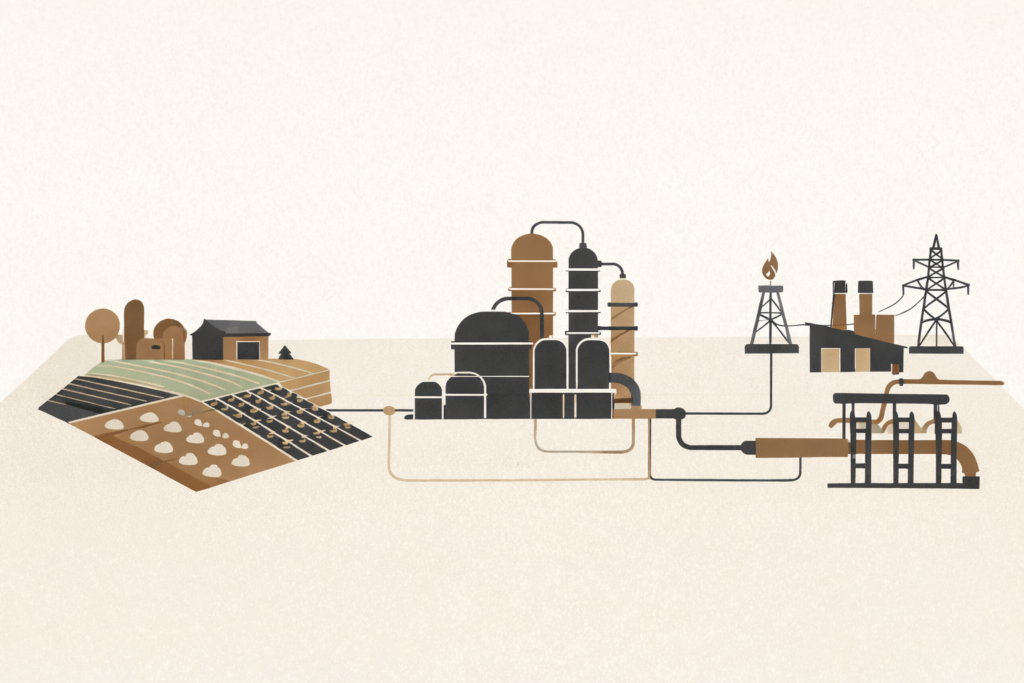
Modern farming depends on more than soil and sunlight. Fertilizer production requires large amounts of energy, particularly natural gas used to create ammonia through the Haber-Bosch process. When energy markets shift, fertilizer prices move with them, affecting crop yields and food costs around the world.
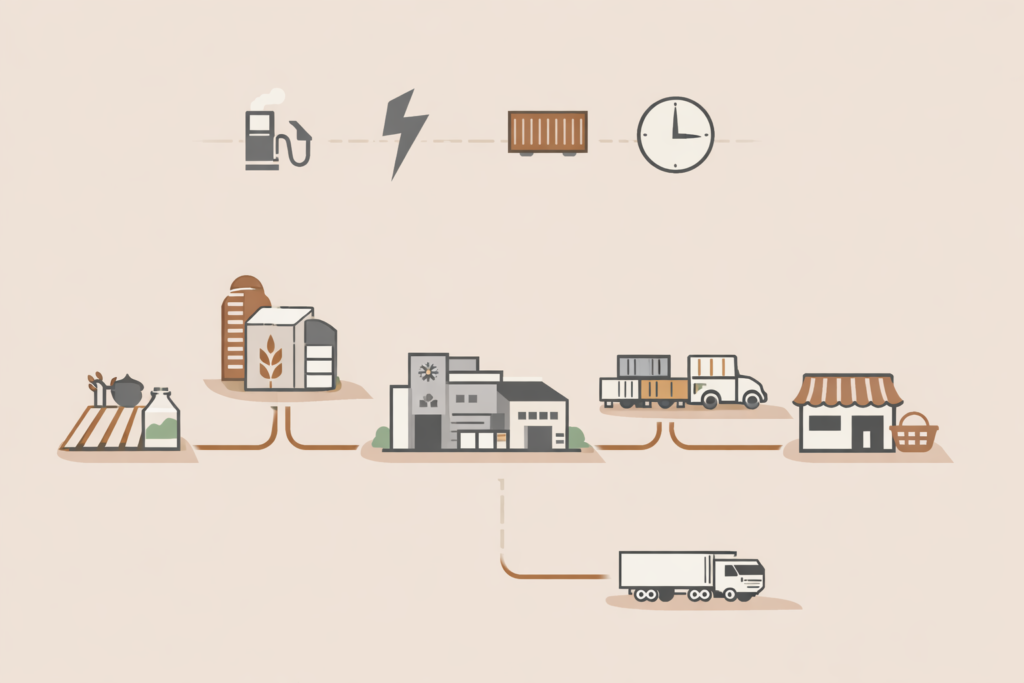
Food prices are not just about farms and grocery stores. Every meal travels through a complex system of fuel costs, storage infrastructure, shipping delays, and processing facilities. Understanding the hidden logistics behind food reveals why grocery prices move the way they do.
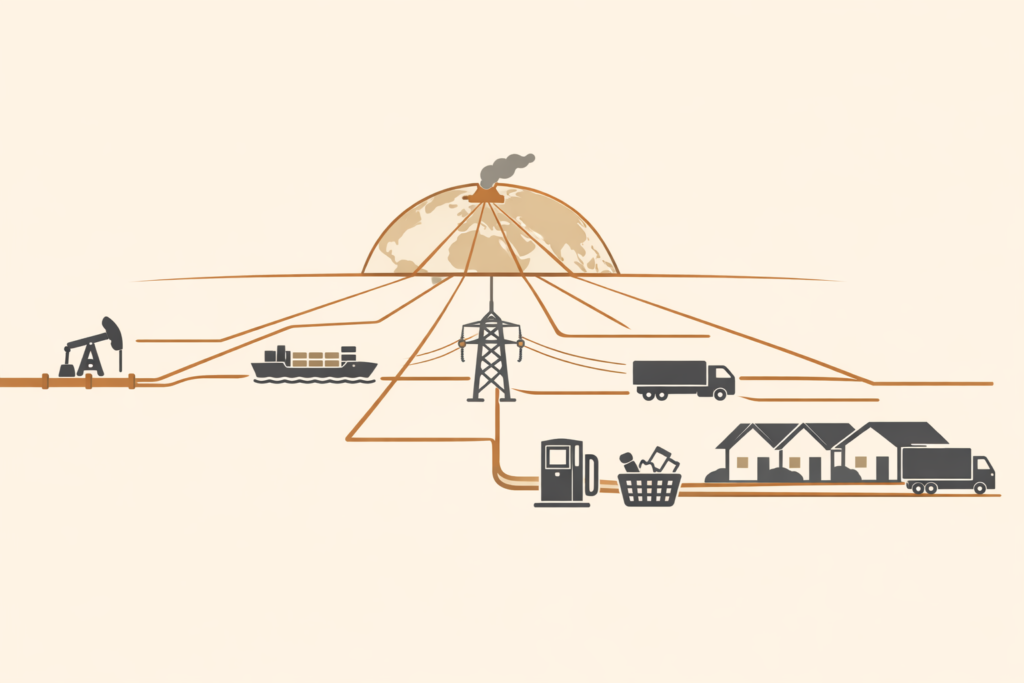
Distant wars rarely affect daily life through soldiers. They move through systems instead. Energy markets shift, shipping routes change, and supply chains tighten. Eventually those pressures arrive in neighborhoods through higher fuel costs, rising grocery prices, and economic uncertainty.
Language shapes identity because words do not only describe people. Words categorize, signal belonging, and reinforce cultural hierarchies. When harmful language is normalized, it becomes social infrastructure.
Digital sovereignty is redefining how nations regulate platforms, data, and cross-border harm. As digital infrastructure ignores borders, regulatory power is being rebuilt in real time.
Platforms don’t just host gender debates — they shape them. Algorithmic feedback loops amplify conflict, rewrite expectations, and turn identity into performance. Understanding the structure behind the noise is the first step toward reclaiming clarity.
Extraterritorial enforcement in the age of viral harm forces governments to confront a new reality: content crosses borders instantly, but law does not. The question is no longer whether harm spreads globally. It is who has the authority to stop it.
The difference between race and ethnicity in Black identity politics is not semantic — it is structural. In American law and census classification, race operates as a broad social category shaped by power hierarchies. Ethnicity, by contrast, refers to shared lineage, culture, and historical continuity. As debates grow around lineage-based identity, reparations eligibility, and census data disaggregation, this distinction becomes central. Is “Black” a race, an ethnicity, or both? And how does that classification affect constitutional scrutiny, policy design, and civic cohesion? This analysis explains how race and ethnicity function differently in the United States — and why precision is necessary before political conclusions are drawn.
Reentry workforce programs succeed when incentives line up across training, supervision, and hiring. Funding helps, but structure decides whether outcomes hold when labor demand changes.
Cross-border surveillance content exposes a structural flaw in platform governance. Incentive design rewards virality, while liability remains fragmented. Real accountability requires redesigning the economic architecture behind digital distribution.
Hidden camera consent laws across borders vary widely, creating legal gray zones where viral content outpaces accountability. When filming crosses jurisdictions, enforcement weakens and incentives strengthen.
Digital colonialism explains how global inequality, hidden-camera recording, and algorithm incentives turn private lives into monetized spectacle across borders. This is not about conquest. It is about incentives, consent gaps, and platform economics.