System Updates, the civic intelligence arm of Groundwork Daily.
About System Updates
System Updates is the civic intelligence arm of Groundwork Daily. It tracks the movement of power, the reconfiguration of institutions, and the quiet shifts that shape how communities live, work, and build.
The mission is simple. Translate complexity into clarity. The world runs on systems, from policy to budgets to incentives to technology. Most of that machinery operates in the background. This series brings those systems to the surface. Each report explains how they work, what is changing, and why it matters for anyone building stability in an unstable environment.
System Updates operates like an internal audit for the world outside your door. It examines numbers, incentives, structural risk, and political movement with steady precision. No noise. No theatrics. No partisan choreography. Only disciplined analysis rooted in evidence and long horizon thinking.
Every installment answers three questions.
1. What shifted
The policy decision, the budget move, the legal ruling, the technological acceleration.
2. What it signals
The deeper pattern that sits beneath the headline.
3. What it changes for ordinary builders
The downstream effects on work, family, safety, opportunity, and long term planning.
System Updates exists because every community deserves clarity. Accountability is structural. People who are building a future should not have to guess how the system is moving around them.
This is civic literacy practiced with intention. This is disciplined awareness applied to public life. This is the briefing that keeps the builders ahead of the curve.
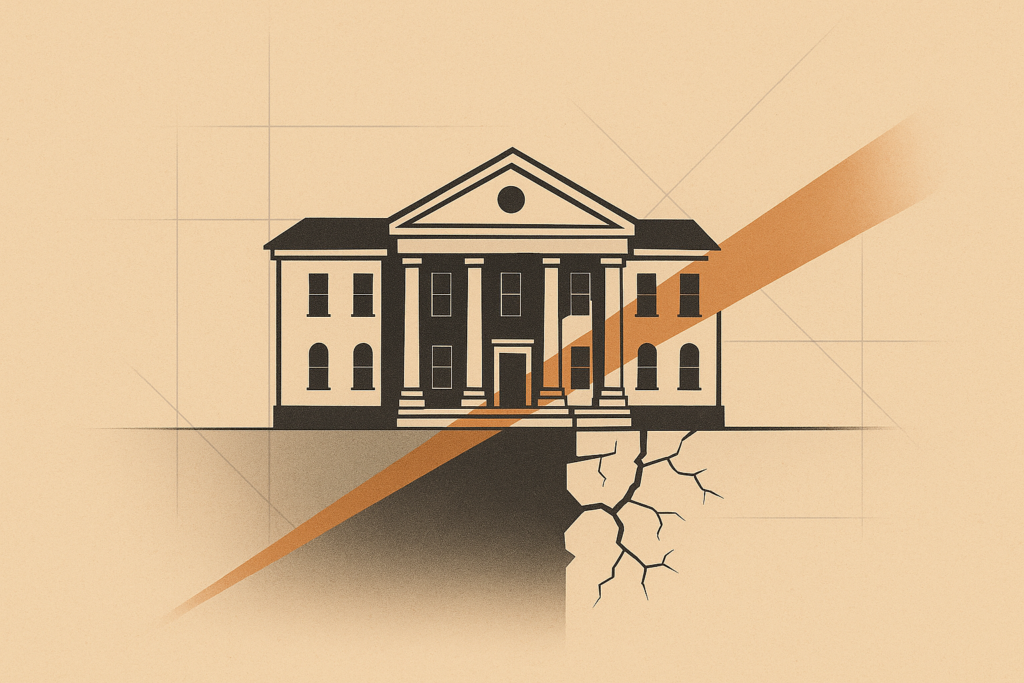
Public colleges in America were once free, but that model did not disappear by accident. As access expanded and costs grew, policymakers reframed higher education from a public good into a private investment. Understanding why that shift happened reveals how funding decisions are made today and why the cost of education continues to fall on individuals.
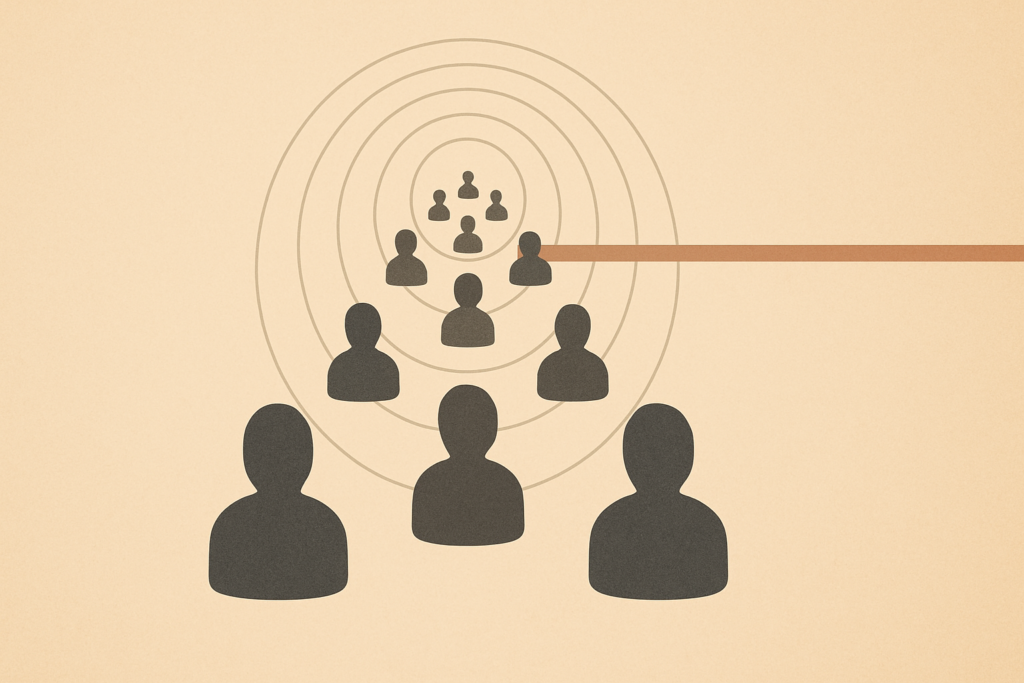
Audience drift is what happens when a public moves toward comfort and away from correction. The result is a feed that protects feelings instead of truth.
A public exchange in Chicago exposed the real tension inside sanctuary city policy. The issue is not values. It is capacity, coordination, and honest limits.
The collapse of productive dialogue in online gender spaces rarely comes from disagreement. It comes from exhaustion. When every exchange moves too fast, context dissolves, and people stop responding to arguments and start reacting to noise.
Infrastructure and community redevelopment are not neutral. They determine who benefits, who is displaced, and who owns the outcome. This asset breaks down the system behind rebuilding.
A concise System Updates briefing by Langston Reed examining current struggles in America. It outlines how widening racial wealth gaps, sustained inflation, and rising healthcare costs are shaping national stability and public confidence in 2025.
Digital conflict moves at a speed that outpaces reflection. As emotion accelerates, context breaks apart, and reactions begin to shape the narrative more than the event itself. Emotional velocity turns small disputes into large signals, and understanding that shift is the first step toward regaining clarity.
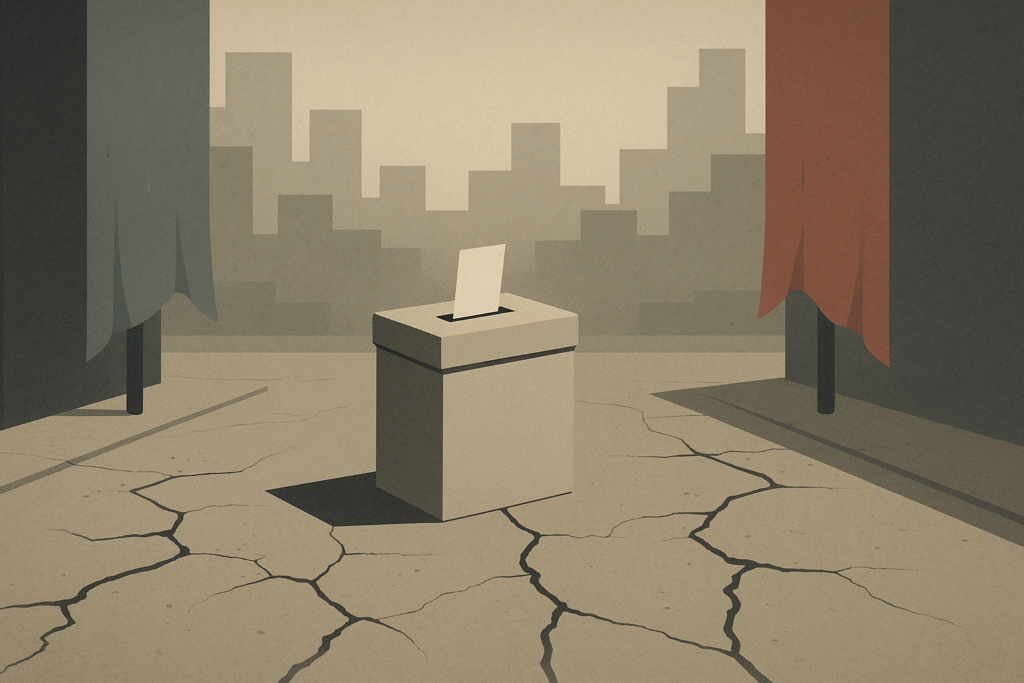
Voter disconnect is not just frustration—it is a breakdown in how institutions process public input. When policy fails to reflect daily realities, trust declines and participation follows.
Agreement at a distance can feel real online, but most of it is pattern, not partnership. This piece examines how repetition, imitation, and structural incentives create the illusion of consensus and why discernment—not digital echoes—should guide judgment.
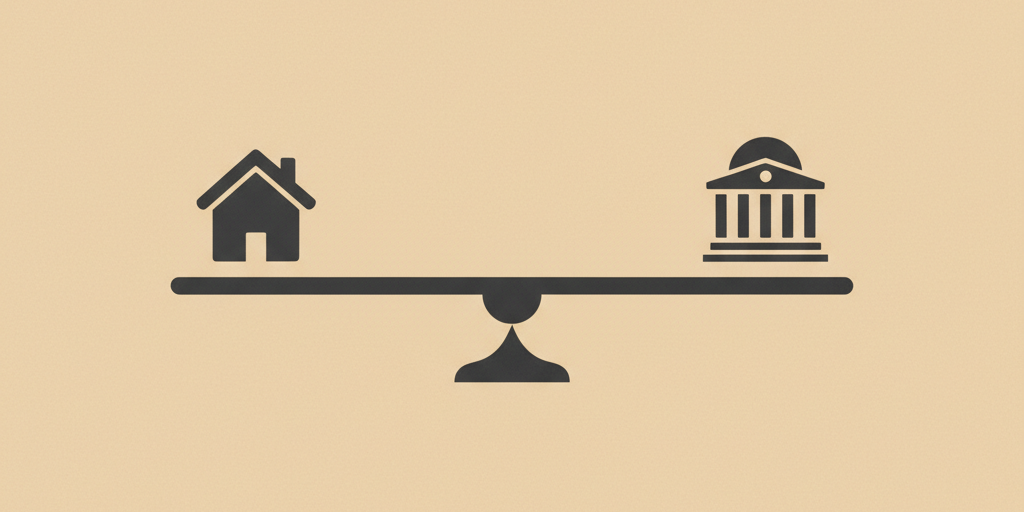
A clear look at how government begins acting like a household when responsibility collapses, and how stronger personal discipline reduces the need for external control.