
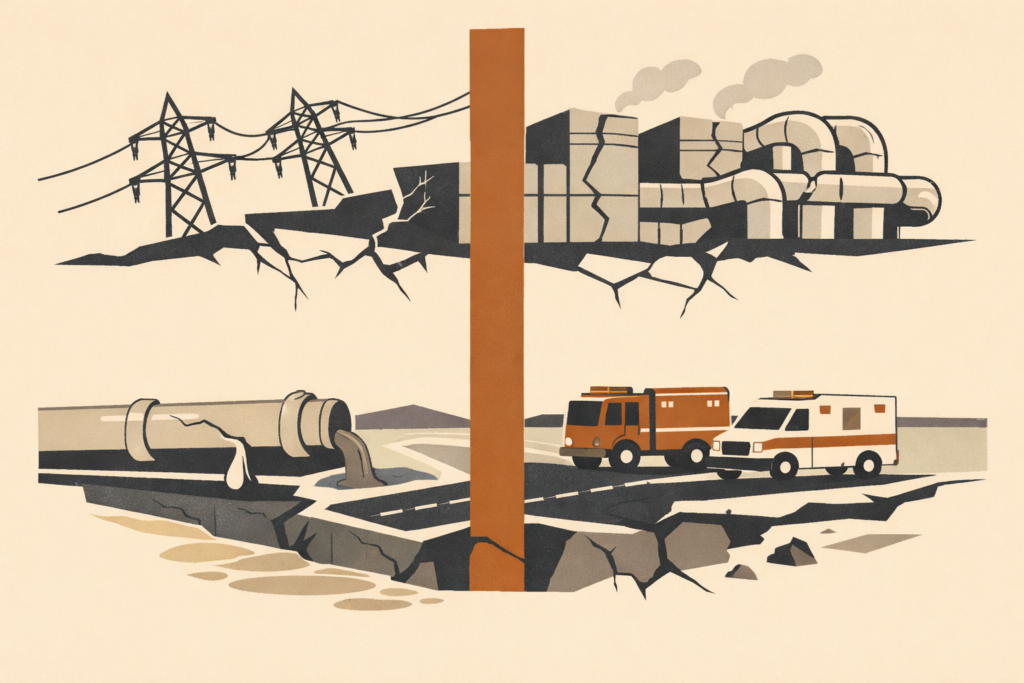
When Digital Infrastructure Breaks, Who Pays?
When digital infrastructure fails, costs do not disappear. This post examines who absorbs the financial, environmental, and civic consequences when systems break.

System Updates is the civic intelligence arm of Groundwork Daily. It tracks the movement of power, the reconfiguration of institutions, and the quiet shifts that shape how communities live, work, and build.
The mission is simple. Translate complexity into clarity. The world runs on systems, from policy to budgets to incentives to technology. Most of that machinery operates in the background. This series brings those systems to the surface. Each report explains how they work, what is changing, and why it matters for anyone building stability in an unstable environment.
System Updates operates like an internal audit for the world outside your door. It examines numbers, incentives, structural risk, and political movement with steady precision. No noise. No theatrics. No partisan choreography. Only disciplined analysis rooted in evidence and long horizon thinking.
Every installment answers three questions.
The policy decision, the budget move, the legal ruling, the technological acceleration.
The deeper pattern that sits beneath the headline.
The downstream effects on work, family, safety, opportunity, and long term planning.
System Updates exists because every community deserves clarity. Accountability is structural. People who are building a future should not have to guess how the system is moving around them.
This is civic literacy practiced with intention. This is disciplined awareness applied to public life. This is the briefing that keeps the builders ahead of the curve.
When digital infrastructure fails, costs do not disappear. This post examines who absorbs the financial, environmental, and civic consequences when systems break.

Emotional labeling often works as a feedback loop that replaces accountability with misdirection. When labels override behavior, relationships begin to operate like systems designed to avoid truth rather than resolve it.

India’s rise is no longer a demographic promise. It is an earnings-led industrial pivot driven by manufacturing capacity, defense exports, and execution at scale.
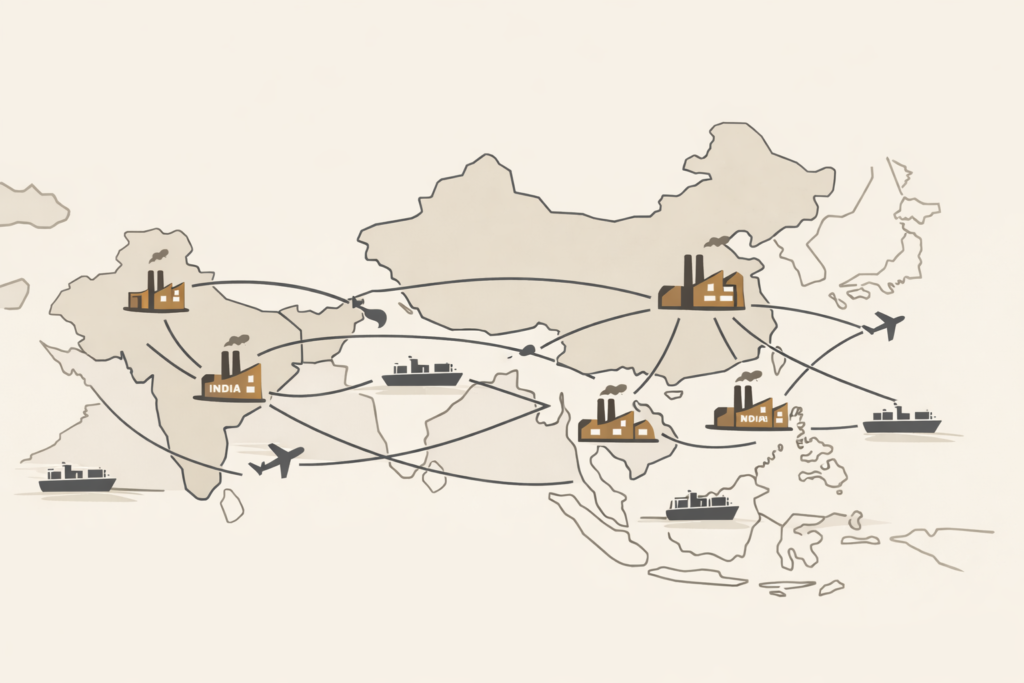
The definition of “emerging markets” has changed. Growth narratives no longer matter as much as manufacturing capacity, political legibility, and the ability to absorb global supply chain pressure. China Plus One is not a hedge. It is a redesign of how the world produces.

Manufacturing execution is the ability to turn institutional capacity into reliable industrial output. Using Vietnam as the case study, this System Update explains why supply chains now reward dependable logistics, production discipline, export reliability, and systems that reduce uncertainty under pressure.

Paternity fraud and accountability reveal a structural gap between biological truth and legal responsibility. In U.S. family law, legal fatherhood can persist despite DNA evidence, driven by statutes, timing, and the best interest standard. Understanding how the system assigns responsibility is critical before decisions become permanent.

Pentagon NFL patriotism refers to the period when taxpayer-funded marketing dollars supported patriotic displays at NFL games. This post explains why the Department of Defense paid for those ceremonies, what changed after a Senate investigation, and why the rituals continued even after the funding stopped.

Policy is parenting at scale. When systems penalize progress through benefit cliffs and outdated rules, families do not fail. They are structured to struggle. Stability begins when policy is designed to support growth, not interrupt it.

The controversy around paid patriotism in sports was never about honoring service members. It was about transparency, taxpayer funding, and the blurred line between civic tradition and sponsored messaging.

A structural blueprint for how Black Americans, Caribbean immigrants, African immigrants, and Afro-Latinos can cooperate with clarity, power, and mutual respect.

Civil rights gains were not abstract victories. They were assets created through sacrifice, inherited unevenly across communities, and still maintained at a cost. This is the ledger America never wrote.

Power does not create conflict by accident. It scripts division, recruits communities into roles, and redirects attention away from structural incentives. The civic divide between Black and Asian Americans was never organic — it was engineered to keep coalition from becoming power.