
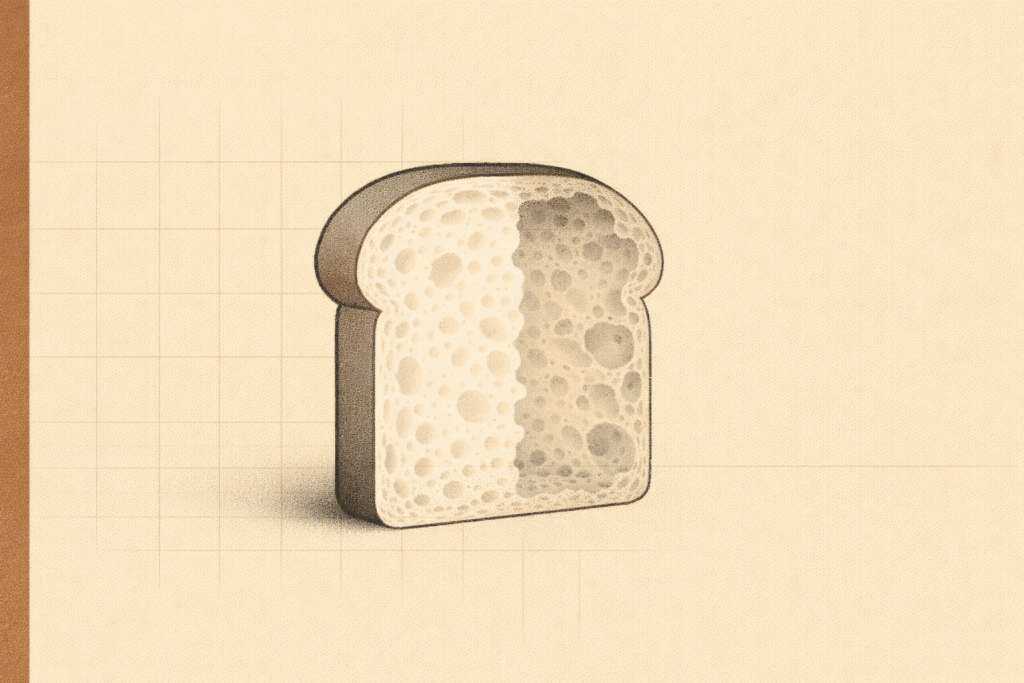
Why Food Tastes Worse Now: When Cost Replaces Care
Food tastes worse now because cost replaced care. Ingredient dilution, fillers, and consistency quietly stripped flavor from everyday foods.

System Updates is the civic intelligence arm of Groundwork Daily. It tracks the movement of power, the reconfiguration of institutions, and the quiet shifts that shape how communities live, work, and build.
The mission is simple. Translate complexity into clarity. The world runs on systems, from policy to budgets to incentives to technology. Most of that machinery operates in the background. This series brings those systems to the surface. Each report explains how they work, what is changing, and why it matters for anyone building stability in an unstable environment.
System Updates operates like an internal audit for the world outside your door. It examines numbers, incentives, structural risk, and political movement with steady precision. No noise. No theatrics. No partisan choreography. Only disciplined analysis rooted in evidence and long horizon thinking.
Every installment answers three questions.
The policy decision, the budget move, the legal ruling, the technological acceleration.
The deeper pattern that sits beneath the headline.
The downstream effects on work, family, safety, opportunity, and long term planning.
System Updates exists because every community deserves clarity. Accountability is structural. People who are building a future should not have to guess how the system is moving around them.
This is civic literacy practiced with intention. This is disciplined awareness applied to public life. This is the briefing that keeps the builders ahead of the curve.
Food tastes worse now because cost replaced care. Ingredient dilution, fillers, and consistency quietly stripped flavor from everyday foods.
Virality does not disappear. Once the internet records you, the moment becomes a form of public record. Langston Reed explains how visibility turns permanent.

Order is not the enemy of freedom. It is the condition that allows freedom to exist at scale. When shared norms collapse, enforcement is forced to compensate, legitimacy erodes, and authority is mistaken for oppression rather than structure.

Filters do not create better partners. They only sort for compatibility at the surface level. Without shared training, accountability, and skill development, filtering becomes a bureaucratic substitute for growth. The result is an orderly dating system that screens people efficiently while producing the same relational outcomes over and over again.
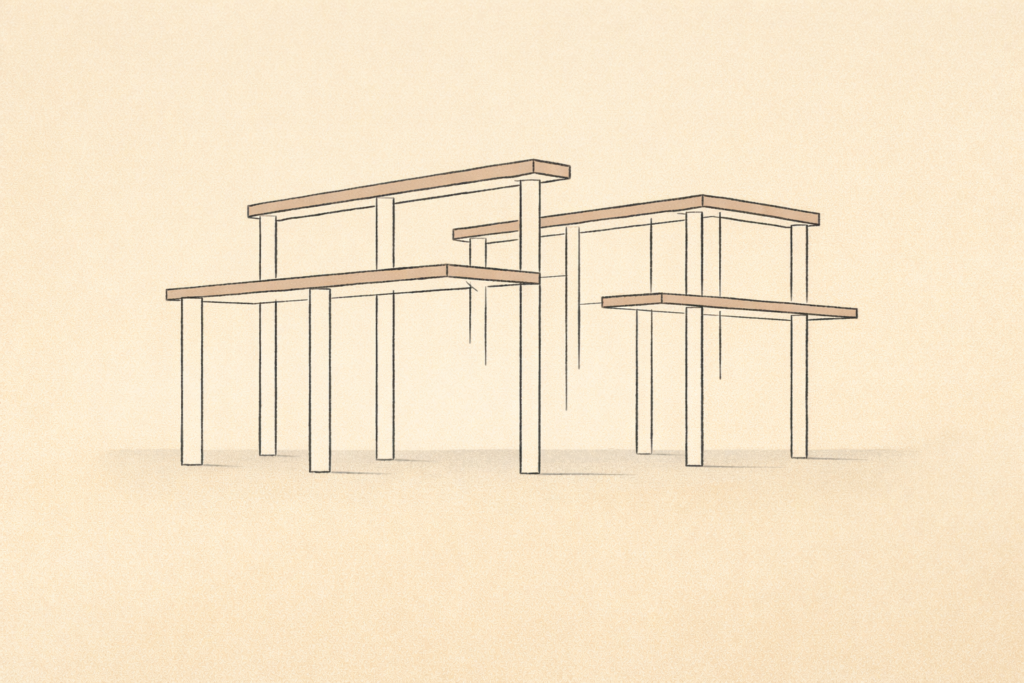
Standards look like progress. Infrastructure does the work. When institutions enforce rules without building support, failure does not announce itself. It spreads quietly.

A frequently cited gap between Black motherhood and Black fatherhood statistics is often used to assign blame. The data does not support that conclusion. This piece explains what the numbers actually measure, what they distort, and why misreading them leads to false narratives about responsibility.

When public investment retreats, private markets step in. This analysis examines who benefits when higher education shifts from public funding to private finance.

When attention is monetized and restraint is optional, conflict stops being a risk and becomes a product. This is how media systems fail under pressure.

Systems rarely collapse all at once. They drift quietly when comfort replaces accuracy. This System Updates report examines how convenience becomes policy—and why discipline is the only safeguard.

The fight over “you’re insecure” is not just about feelings. It is about structure. This System Updates breakdown shows how the insecurity vs respect debate exposes whether a relationship is governed by clear rules or convenient exceptions.

Who profits from student loans? This System Update explains how public funding cuts, rising tuition, loan servicing, and policy incentives shifted higher education costs from shared infrastructure onto households.

Fred Hampton showed that feeding children is political infrastructure. This System Update breaks down how a breakfast table became a threat to state power.