Recommendation Systems: What You See Is Not an Accident
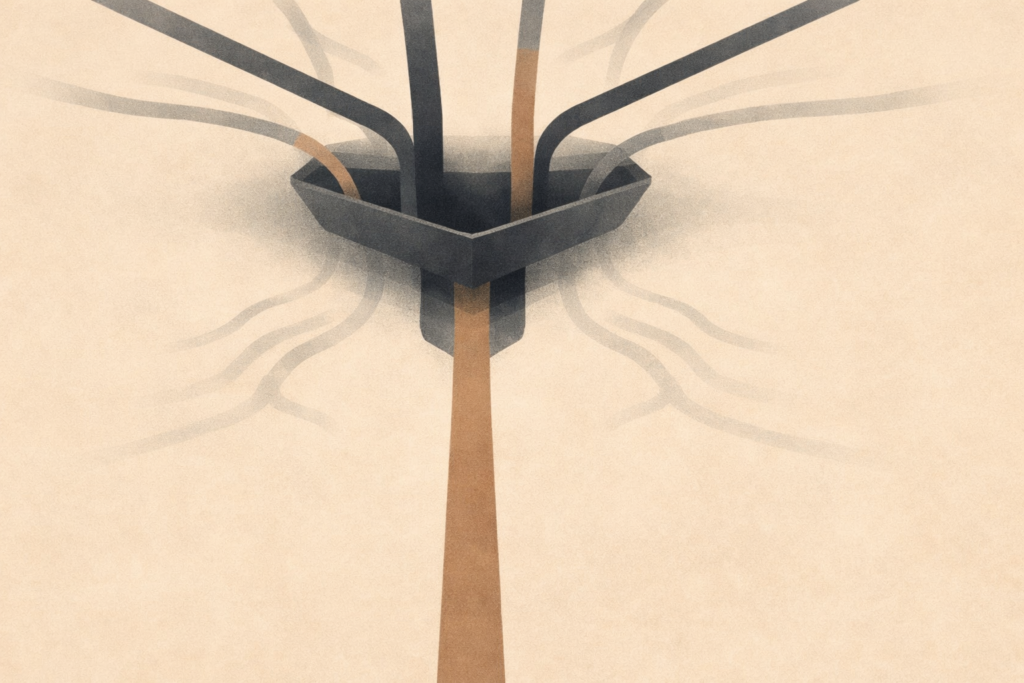
Recommendation systems decide what you see before you search. If the system curates your inputs, it shapes your direction. This breakdown shows how control operates inside attention.
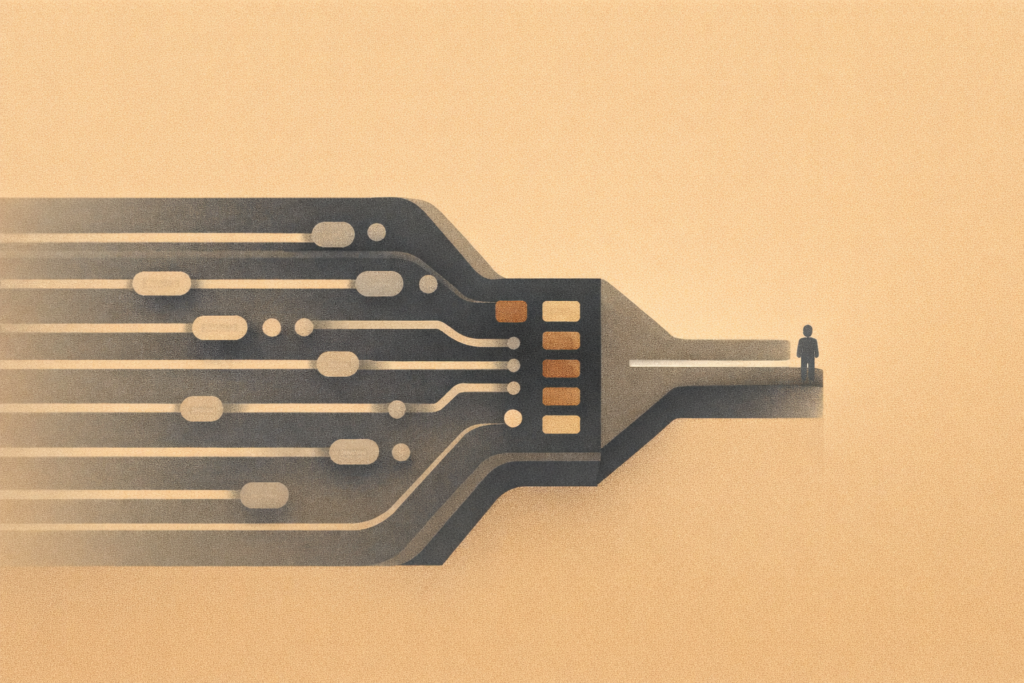
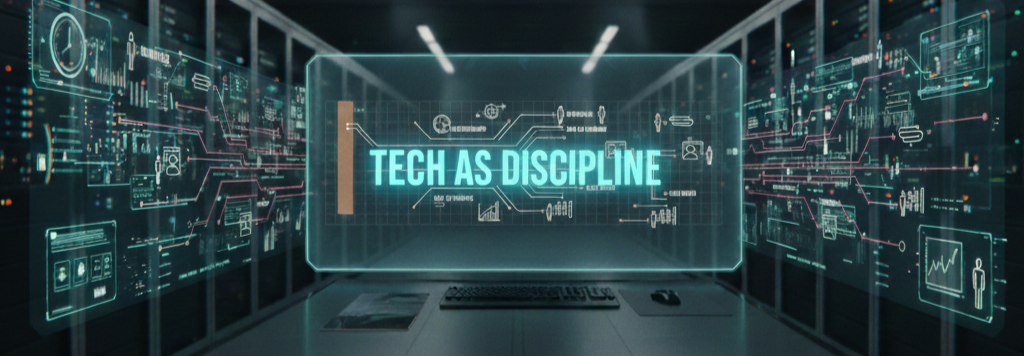
Tech as Discipline explores how automation, AI, and digital systems should be designed to preserve human judgment rather than replace it. As systems become faster and more autonomous, the risk is not speed. The risk is the quiet removal of responsibility.
This tag collects essays examining how technology shapes decision-making, accountability, and authorship. From automation bias to default design, each post asks a simple question: where does human oversight remain present, and where has it drifted?
Tech as Discipline is not anti-technology. It argues for intentional structure. Automated systems can reduce effort and increase efficiency. However, efficiency without oversight creates fragile systems that fail silently.
Within this collection, readers will find discussions on convenience design, automated decision paths, designed friction, and keeping humans in the loop. The goal is practical: build systems that move fast while remaining accountable.
Technology should compress labor, not eliminate judgment. Tech as Discipline ensures that humans remain in the loop.
Recommendation systems decide what you see before you search. If the system curates your inputs, it shapes your direction. This breakdown shows how control operates inside attention.
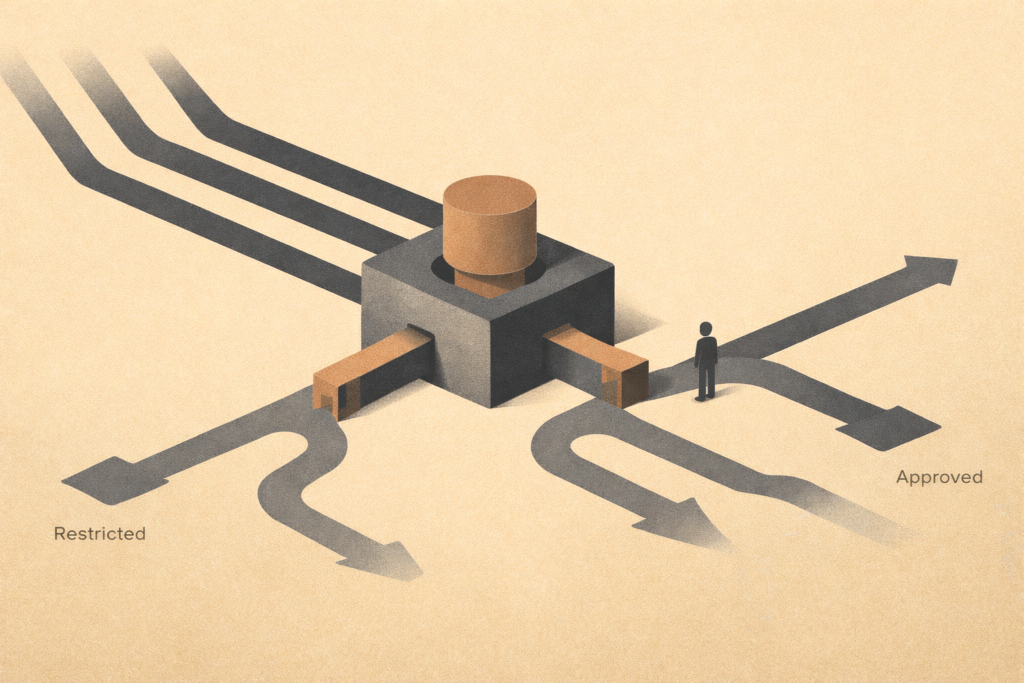
Credit scoring systems decide what you can access before you ever ask. If the model sets your limits, then your options are already constrained. This breakdown shows where control actually sits.
AI hiring systems rank candidates before humans review them. If the system decides who rises, then hiring authority has already shifted. This breakdown shows where control actually sits and why structure matters.
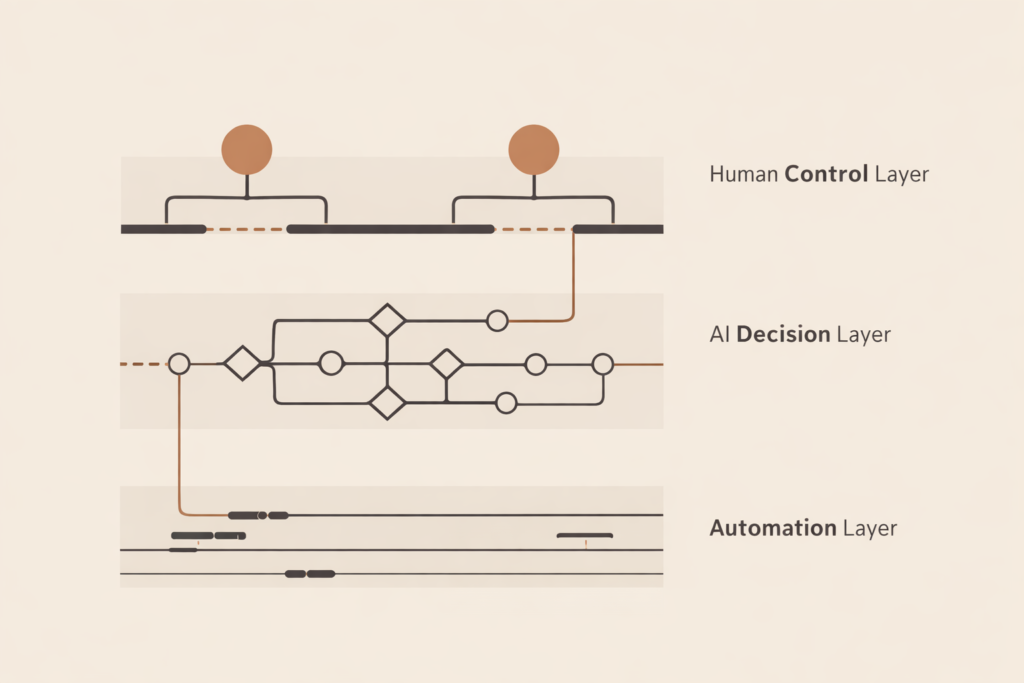
Human control systems keep automation and AI accountable. When execution, decision-making, and authority blur, responsibility disappears into the system.
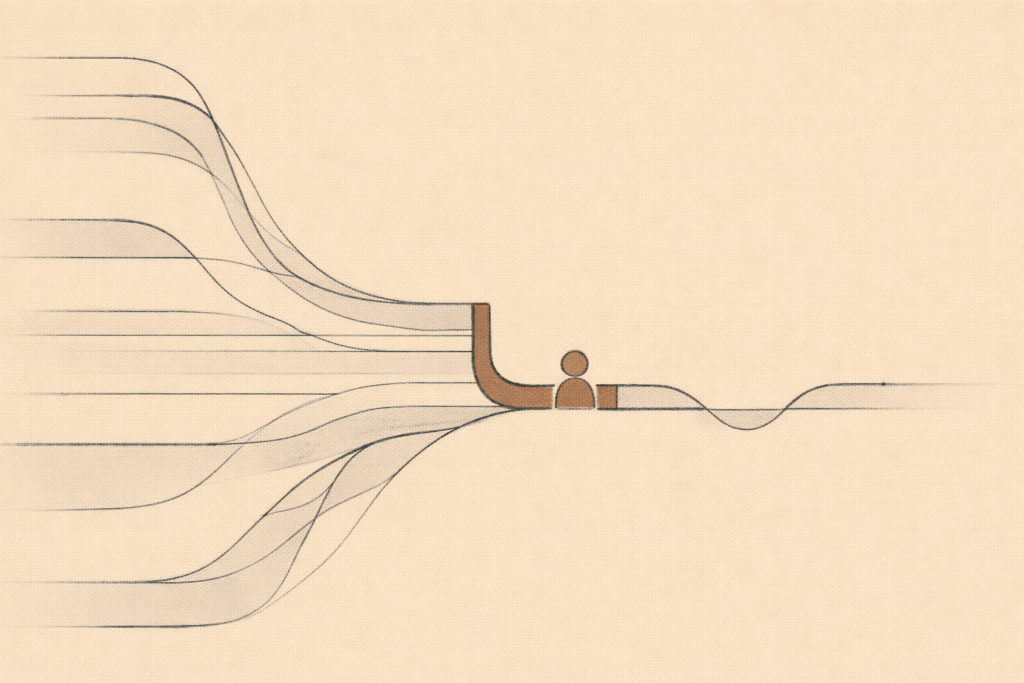
Tech as discipline is the practice of keeping humans in the loop. Automation should reduce effort, not remove judgment, responsibility, or authorship.
Friction is not failure. When designed intentionally, it protects judgment, pacing, and responsibility inside complex systems.
Most people don’t notice when systems begin deciding for them. Automation works quietly, until judgment fades.
Technology promises efficiency. Discipline provides direction. Without structure, tools magnify disorder instead of progress.
Convenience saves time, but it can quietly remove judgment. This reflection examines the cost of convenience automation and why disciplined human oversight still matters.