
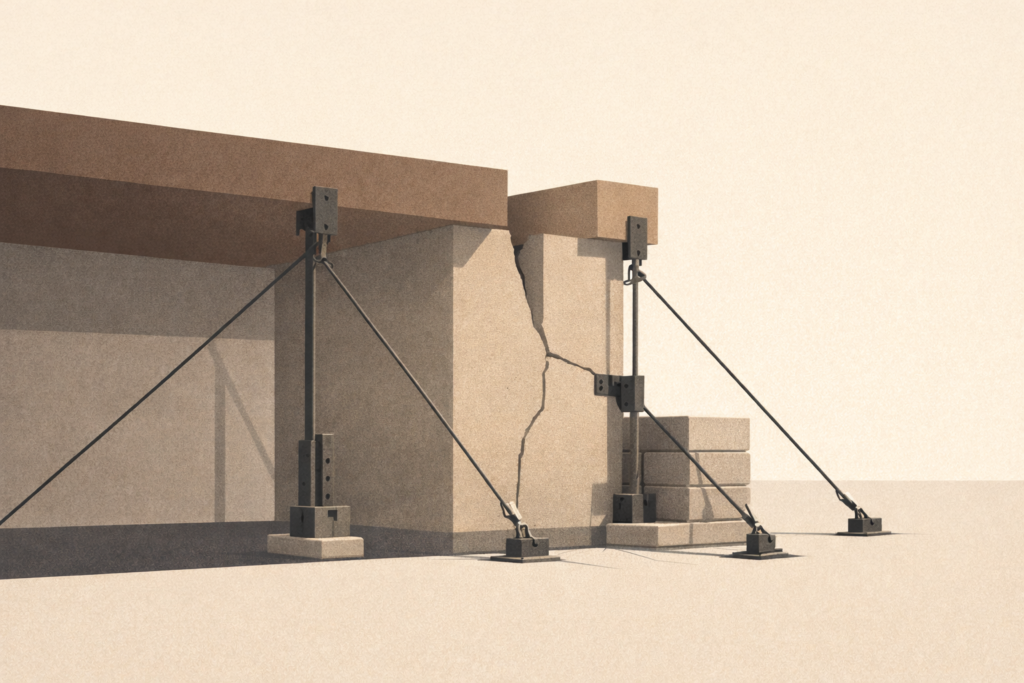
The Price of Stability Under Power and Price
The price of stability is often higher than repair. This post explains why people defend broken systems even when the cost keeps rising.
The price of stability is often higher than repair. This post explains why people defend broken systems even when the cost keeps rising.
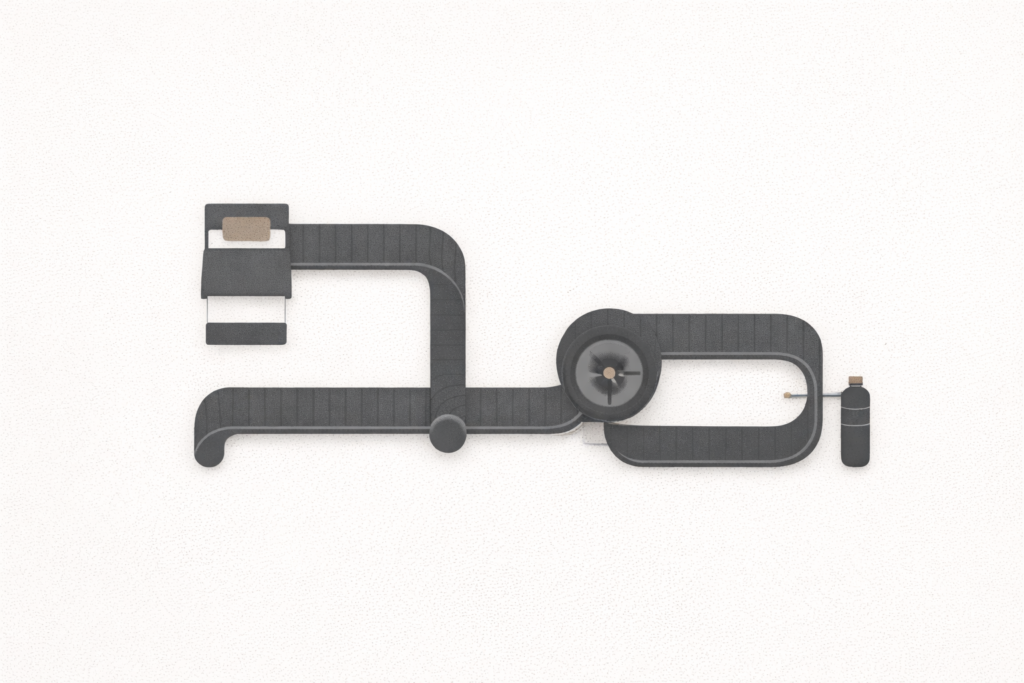
Progress slows when every day is reviewed. Today’s Blueprint removes daily evaluation so systems can run without interruption or doubt.

Discernment is not theory. It is the daily practice of choosing restraint over impulse, clarity over comfort, and direction over noise.
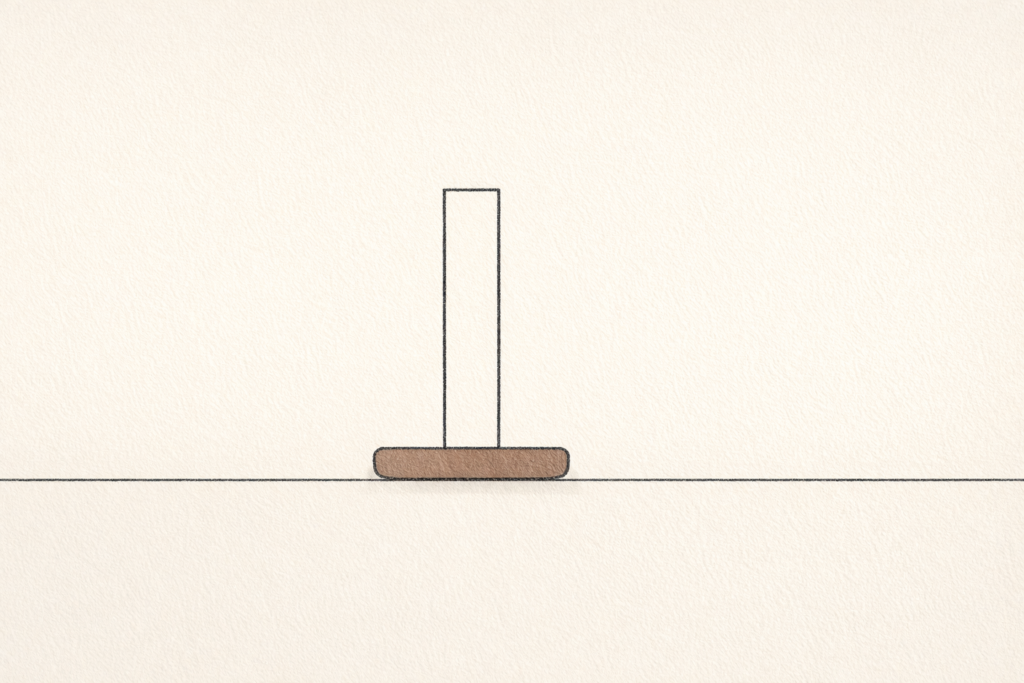
Speed is often mistaken for progress. Moving too fast narrows judgment, replaces assessment with pressure, and turns urgency into risk.
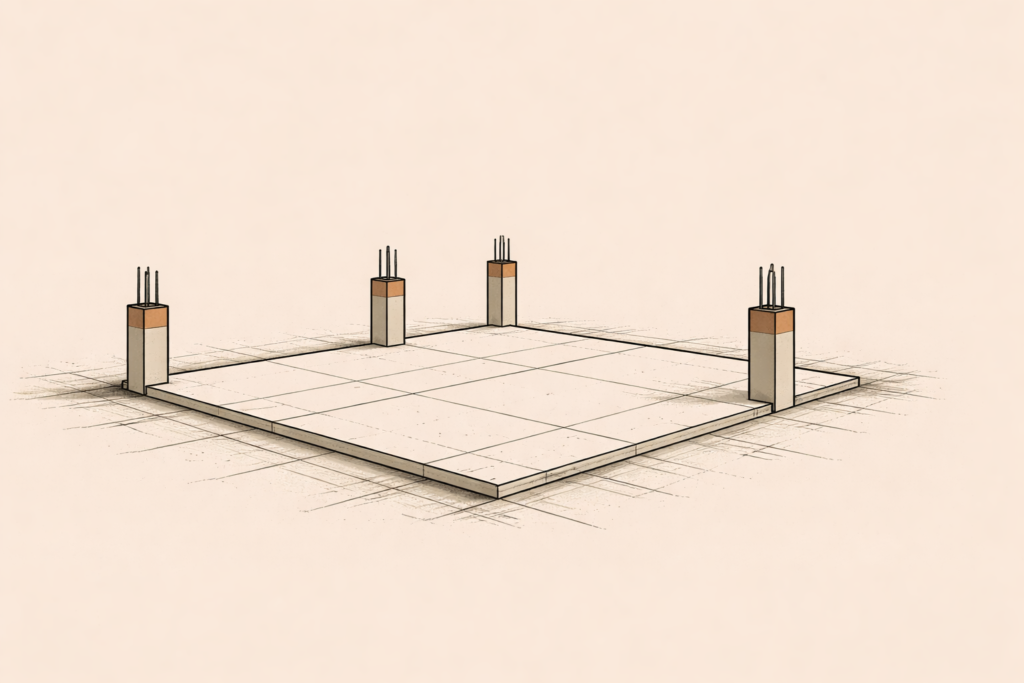
Deconstruction removes pressure before it adds responsibility. Relief feels like progress until rebuilding becomes necessary.
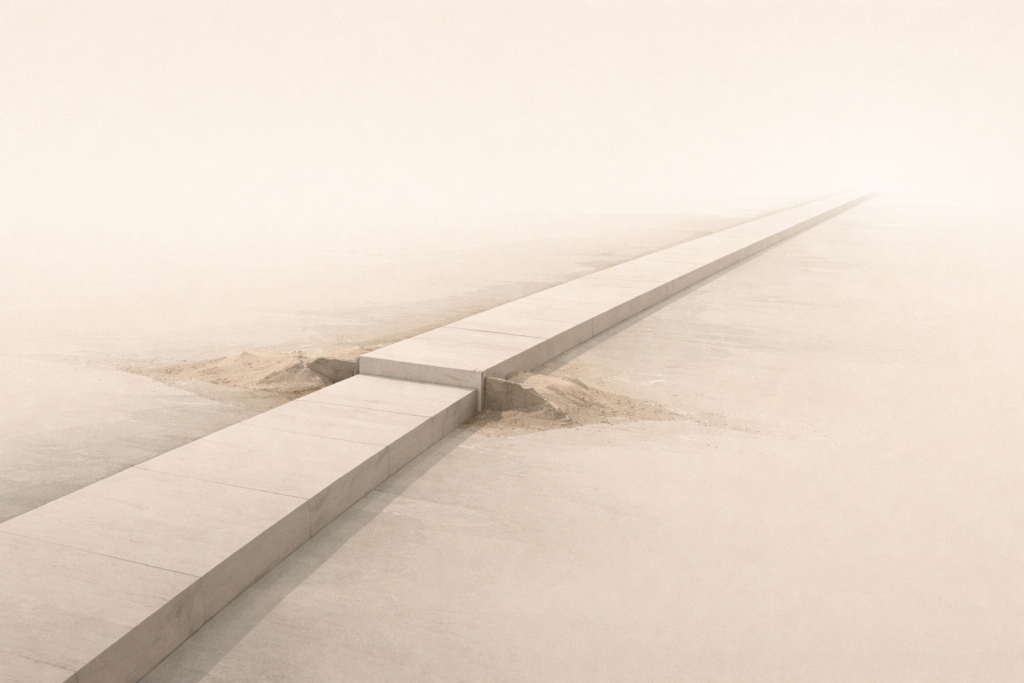
Returning without starting over is the discipline of continuity. Interruption does not erase direction. It only pauses execution.
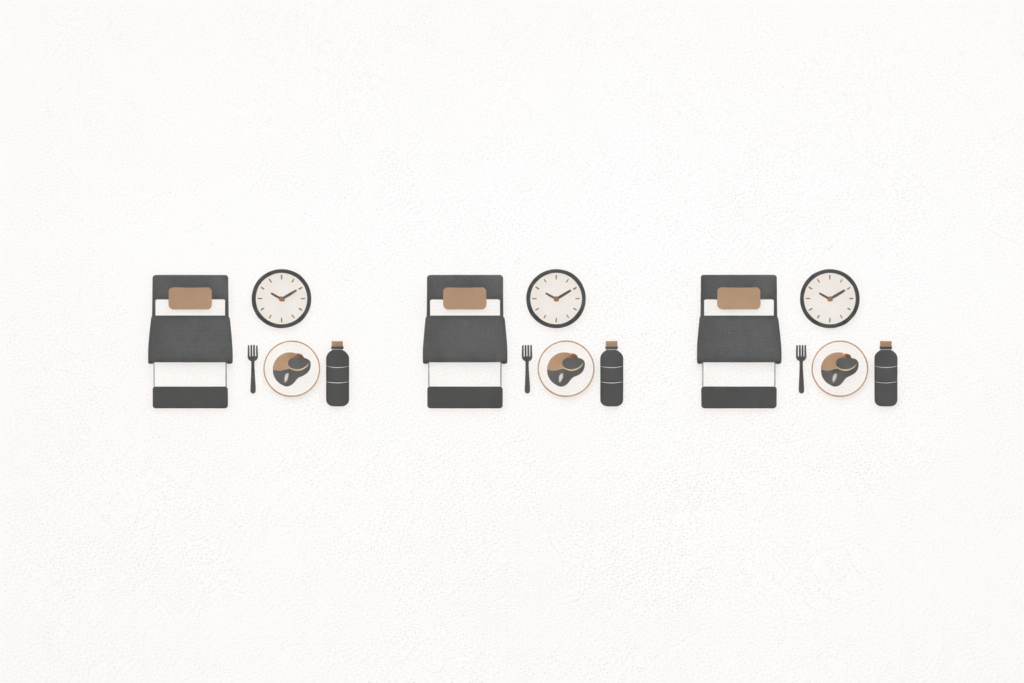
Progress slows when routines change daily. Today’s Blueprint removes variability, so execution becomes automatic and energy remains stable.
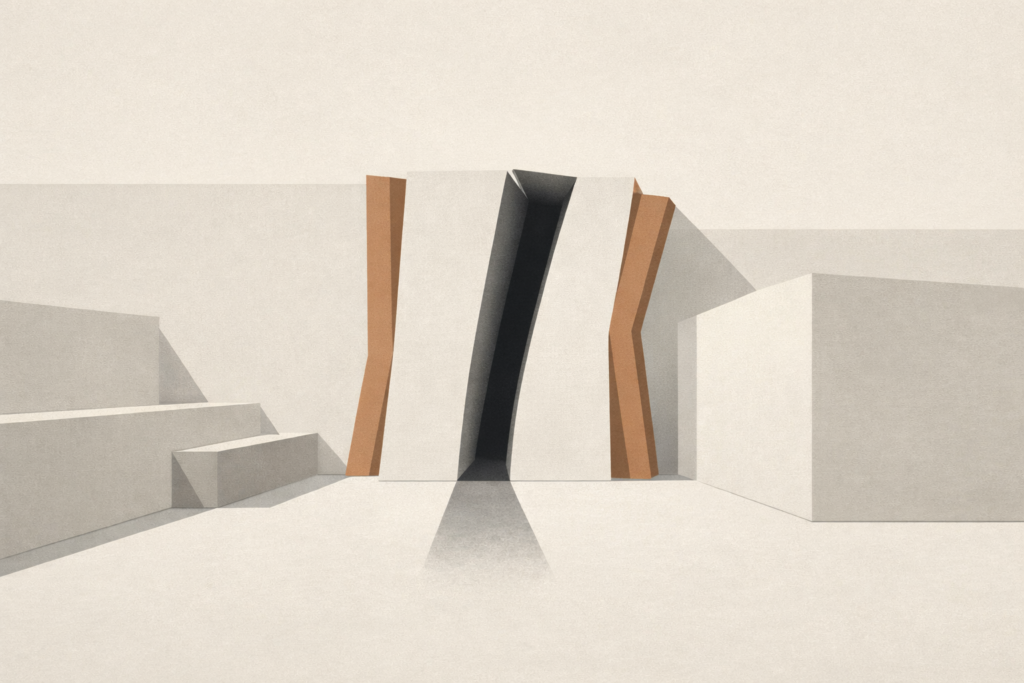
Attention under stress does not fail at random. It breaks at the weakest part of the system. What feels like loss of control is often a design limit being reached, not a personal failure.
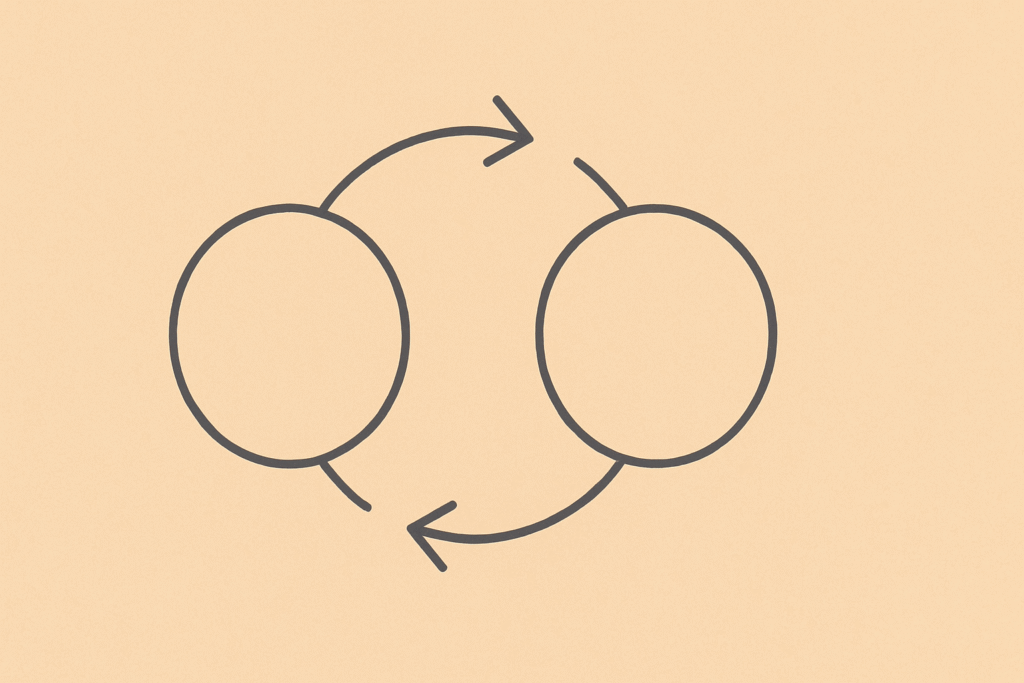
Systems thinking reveals the patterns behind your daily outcomes. When you can see the loops, you can change them. Structure becomes strategy, and small adjustments create lasting stability.
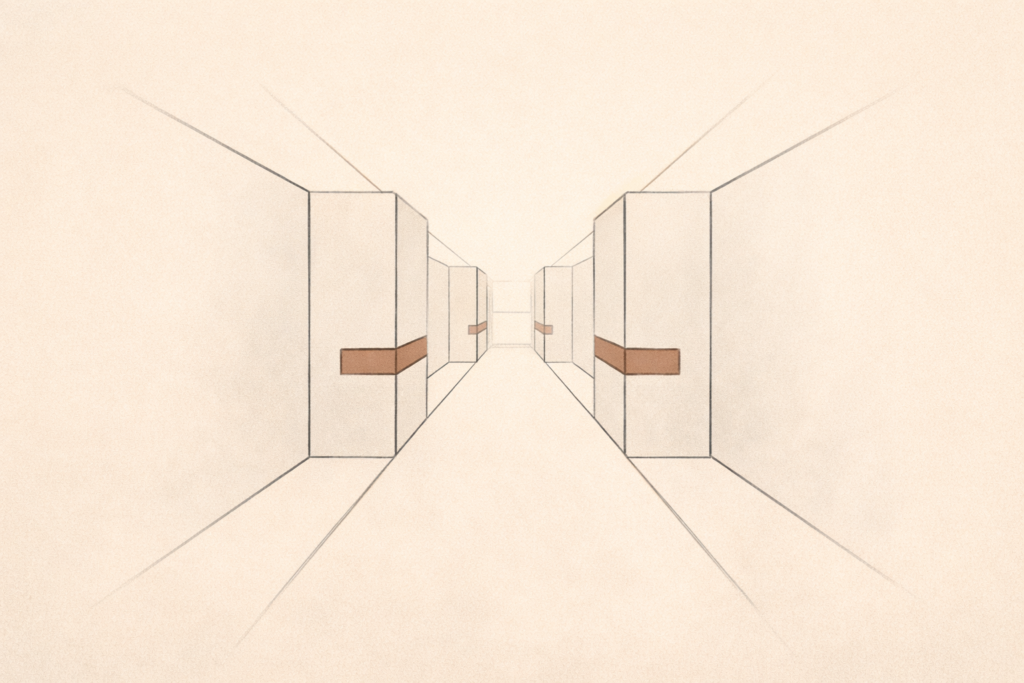
Friction is not failure. When designed intentionally, it protects judgment, pacing, and responsibility inside complex systems.
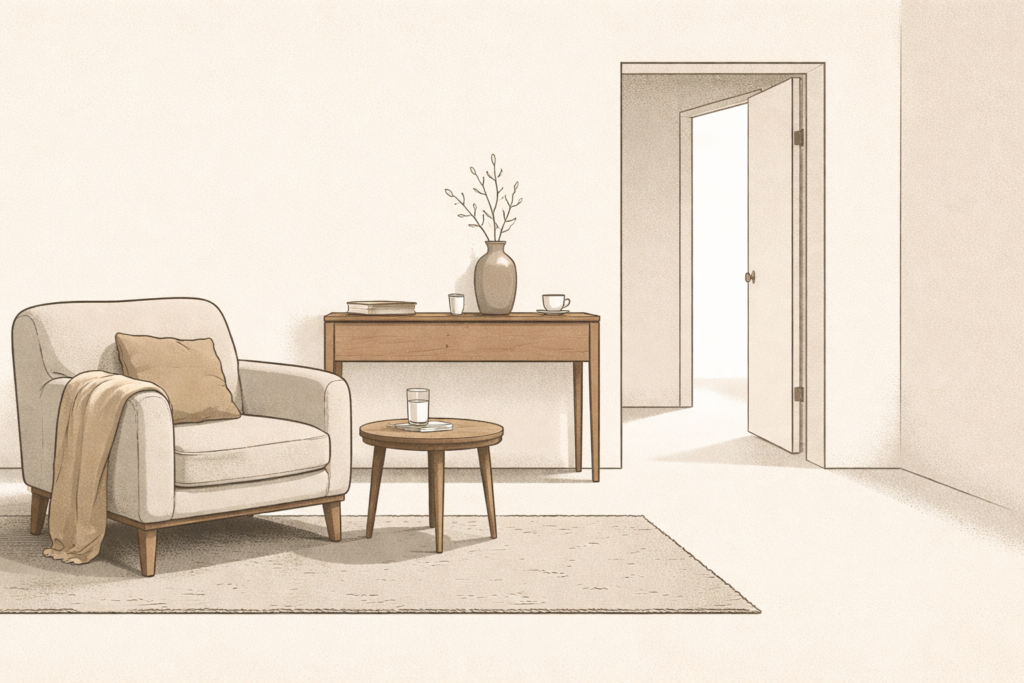
The soft life isn’t created by vibes or aesthetics. Without boundaries, ease collapses into availability, and rest becomes fragile instead of restorative.
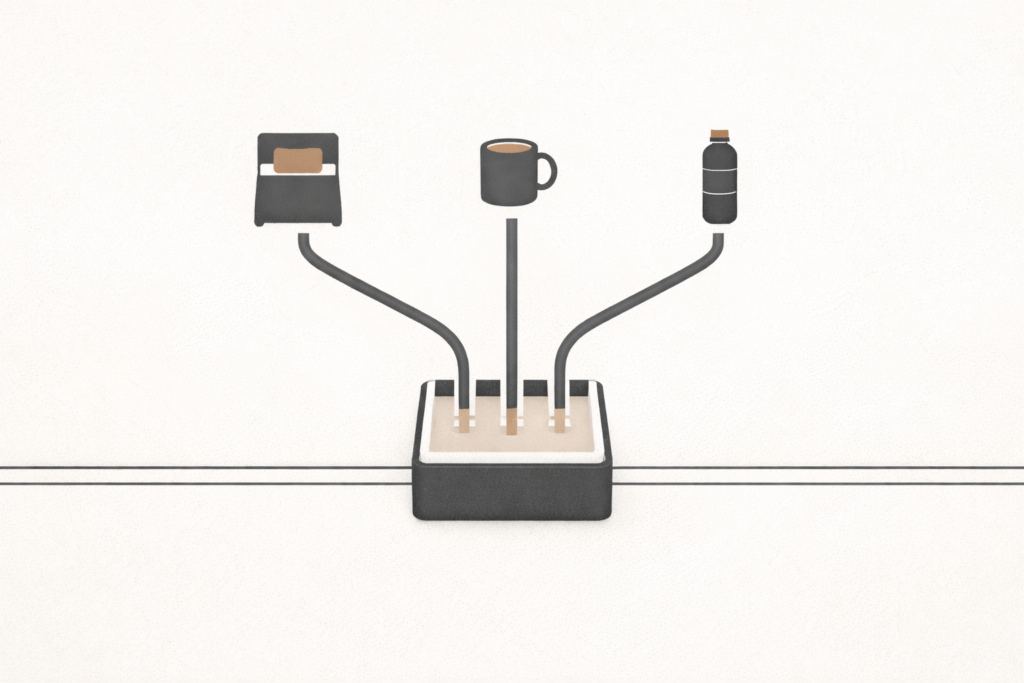
Energy becomes unstable when inputs are unregulated. Today’s Blueprint focuses on controlling sleep, fuel, and recovery timing so capacity stays predictable.