
Groundwork Daily Series · Builder Micah Green
This Is Us But Funnier.
Ordinary behavior. Unwritten rules. Family roles, money stories, workplace habits, friendship, community, culture, and the systems hiding inside things nobody thought required a meeting.
This Is Us (But Funnier) uses recognition and observational humor to look closely at what people say, do, avoid, repeat, inherit, normalize, and quietly expect from one another. The joke opens the door. The larger question is what all of that behavior keeps building.

Start Here
There is no required reading order. The useful entry point is whichever part of ordinary life has recently started looking suspicious.
Start with the moment the math became clear and everybody suddenly needed more time to think.
Start with accountability →Start with the friendship that nobody ended but apparently nobody has scheduled either.
Start with friendship →Start where a grill, some folding chairs, and no written policy somehow produce functioning governance.
Start with the cookout →Newest Builds
The September run moves through family, money, work, culture, and friendship. Different rooms. Different mechanisms. Same habit of ordinary life quietly becoming a system before anybody admits there is one.

Every Family Has a Job Nobody Applied For
Families rarely publish job descriptions. Somehow, everybody still knows who calls, plans, fixes, remembers, explains, and has the truck.

Everybody Has a Number They Think Means They’ve Made It
Salary. House. Savings. Net worth. Somewhere along the way, most of us inherited a number and forgot to ask whether it describes the life we actually want.

Nobody Said You Had to Answer After Work. We Just Noticed You Did.
One late reply feels helpful. Enough of them can quietly teach an organization that reachability and availability are the same thing.
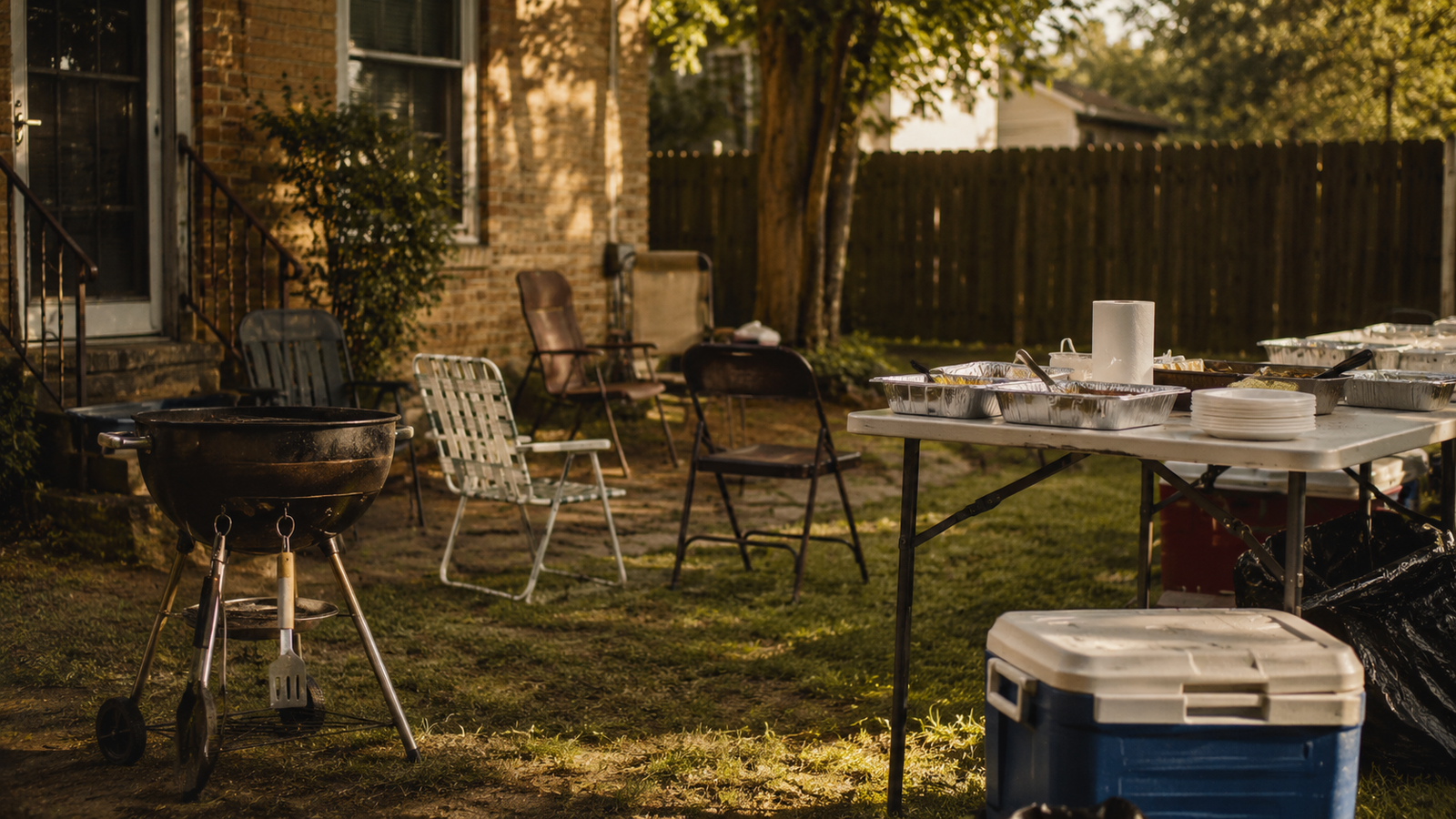
The Cookout Has Better Governance Than Some Organizations
Nobody issued credentials for the grill. Nobody circulated the ice policy. Still, roles, standards, correction, trust, and continuity are all somehow operating.

We’re Still Friends. We Just Haven’t Seen Each Other Since the Obama Administration.
The affection can survive after the shared routine disappears. The harder question is what keeps friendship in the present tense.
Complete Archive
Before family roles, cookout governance, and friendships requiring federal-level scheduling, there were boundaries, busyness, accountability, attention, rest, loyalty, care, community, and a long list of things we were definitely going to address right after this week calmed down.

We’re Not Confused. We’re Just Avoiding the Math.
Sometimes the conclusion is already clear. We are simply negotiating with the cost of admitting it.

Everyone Says They’re “Busy.” Funny How the Same People Are Always Available.
Busy can be real. It can also become a wonderfully polite way to describe selective access.

We Don’t Have a Time Problem. We Have a Permission Problem.
More time does not solve much if we still believe every request deserves some of it.
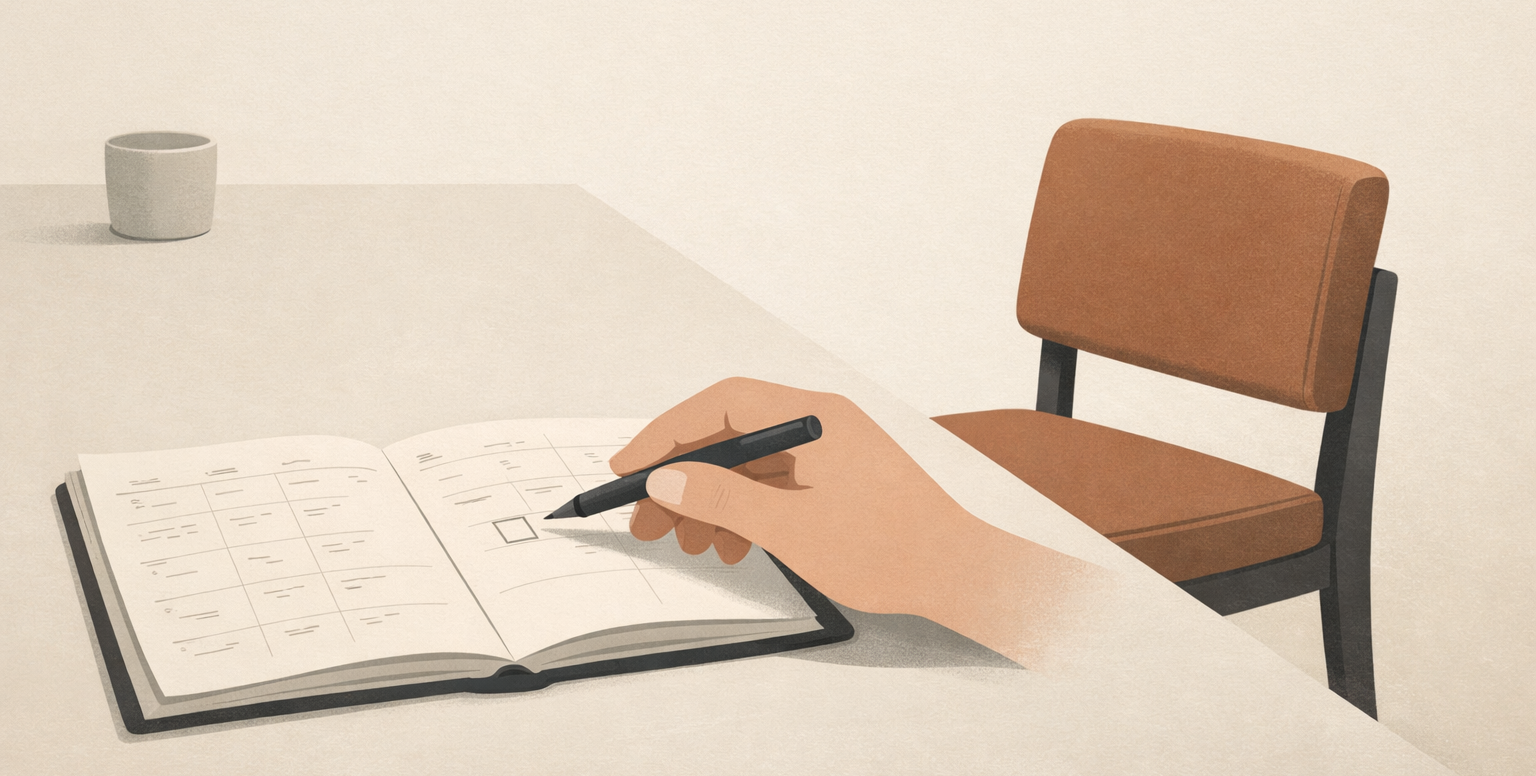
We’re Not Overcommitted. We’re Just Bad at Saying No.
Sometimes a scheduling problem is just a boundary problem wearing a calendar.

We Keep Calling It Burnout. It’s Actually Grief.
Some exhaustion is not asking for a better routine. It is asking us to admit what no longer fits.

You’re Not Indecisive. You’re Afraid of Regret.
Keeping every option open can feel safer right up until we notice that indecision has a bill too.
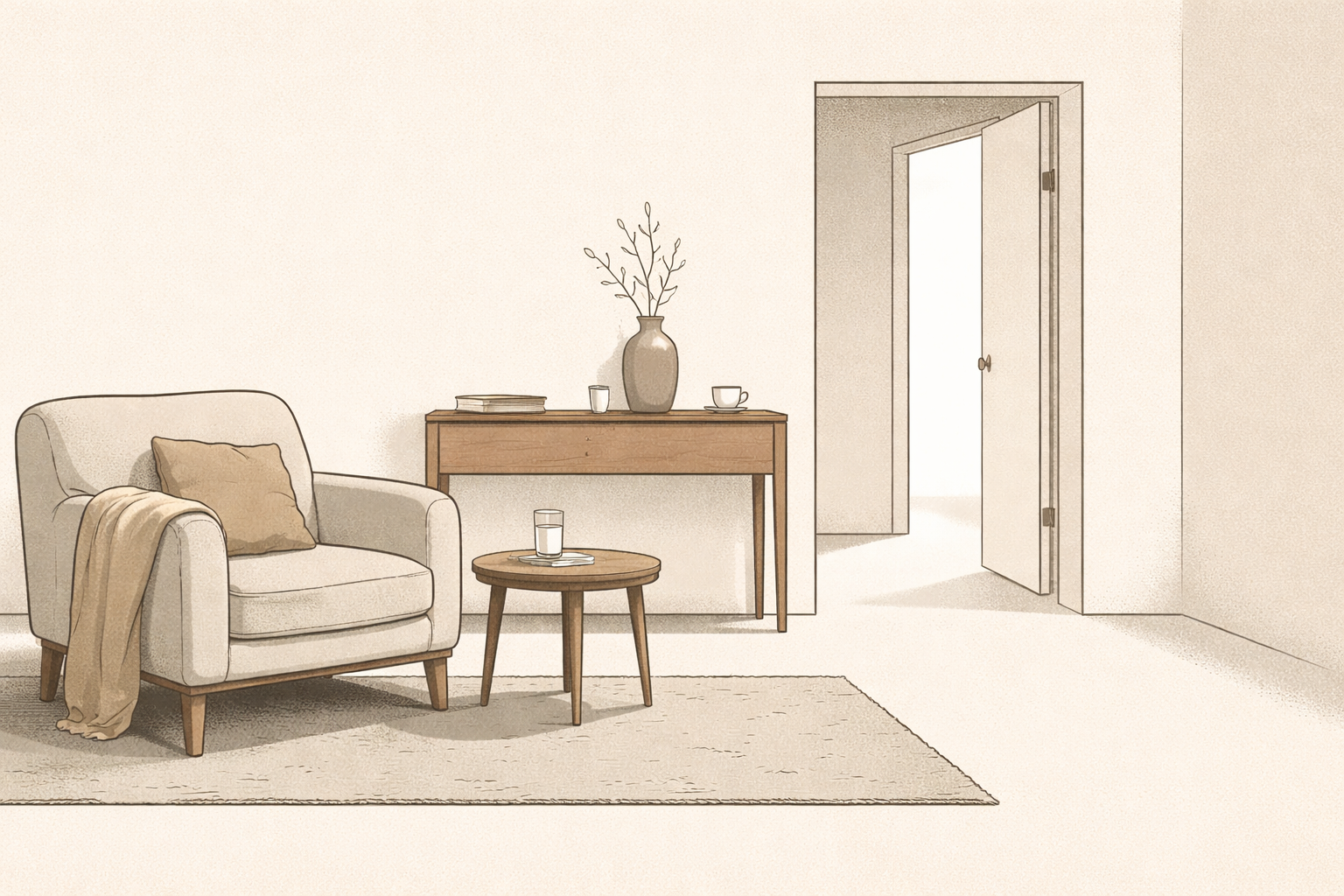
The Soft Life Isn’t Soft If You Don’t Have Boundaries.
Ease is difficult to build while everybody still has unrestricted access to it.
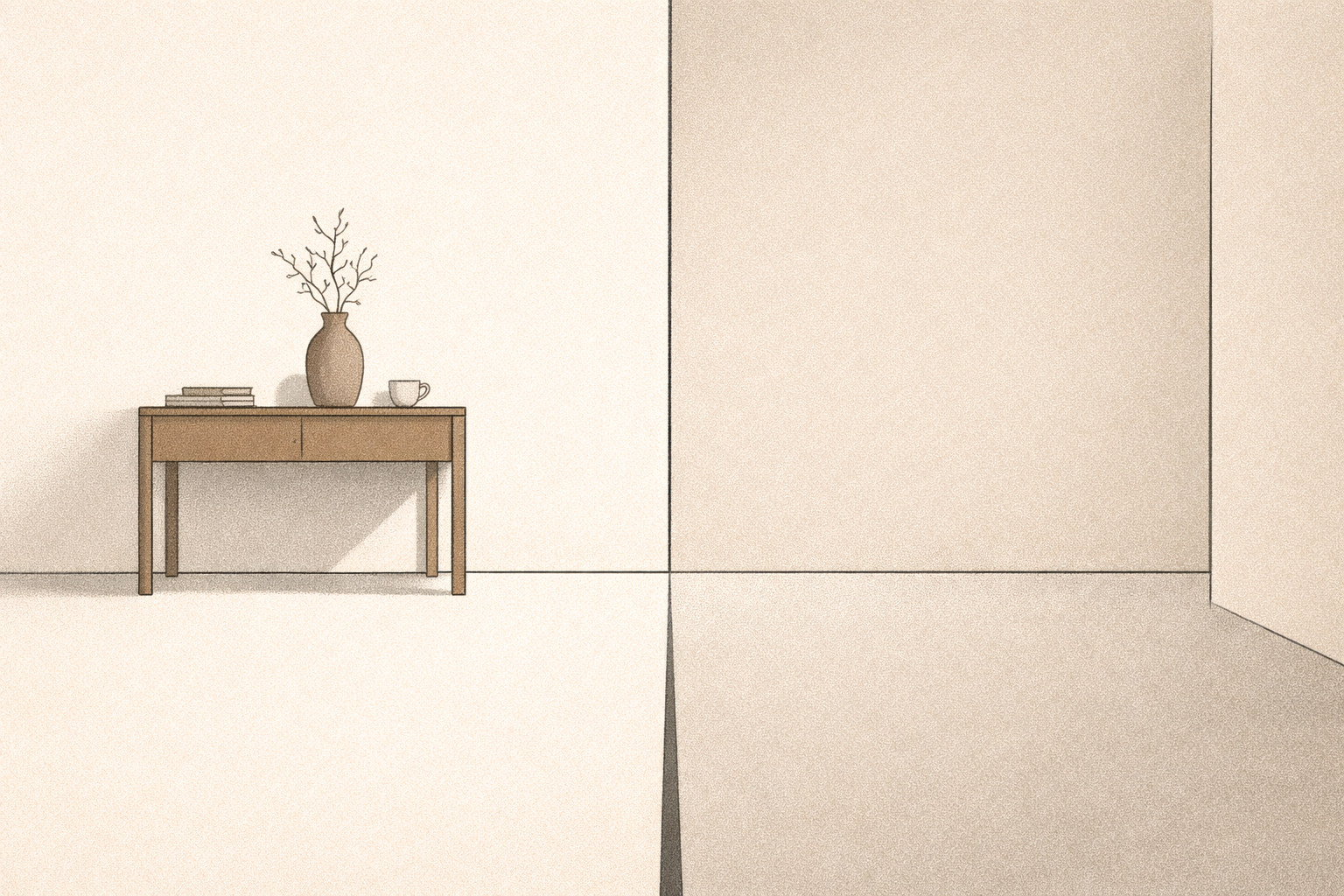
Clarity Makes You Look Selfish to People Who Benefited From Your Confusion.
Sometimes clarity does not end the relationship. It simply changes what the relationship can demand.

Polite Is Not the Same as Respectful.
Politeness can make the room smoother. Respect has to show up in what changes afterward.

Nice People Still Cross Lines
Some boundary crossings arrive with excellent manners. The line is still crossed.

Why Being Busy Became a Personality
Somewhere along the way, a full schedule stopped describing the week and started describing the person.
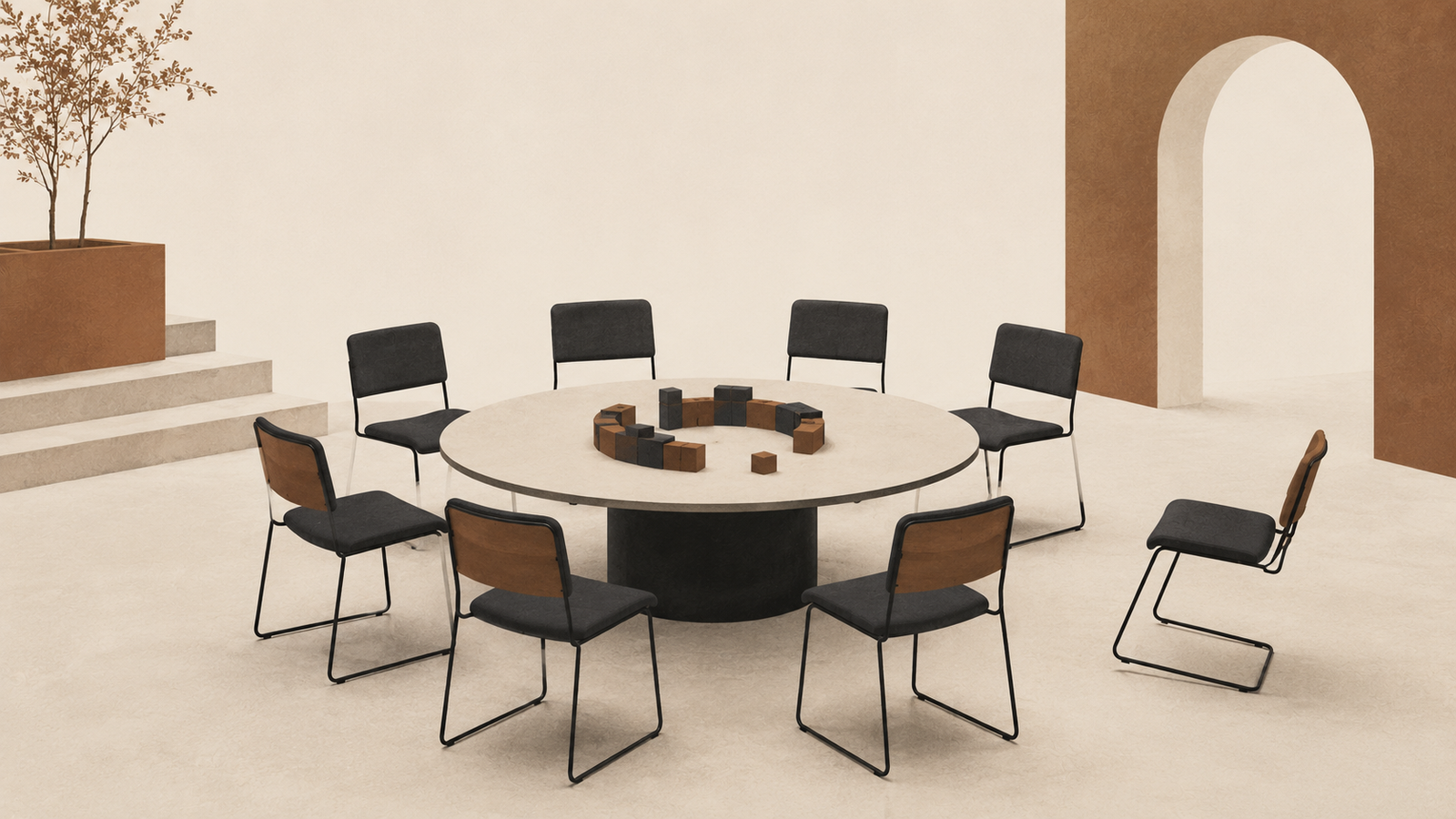
Why Everyone Wants Community Until It Requires Commitment
Belonging sounds wonderful until somebody needs help carrying the thing everybody says matters.

Discomfort Is Not Disrespect
Not every difficult conversation is harm. Sometimes reality is simply rearranging the room.
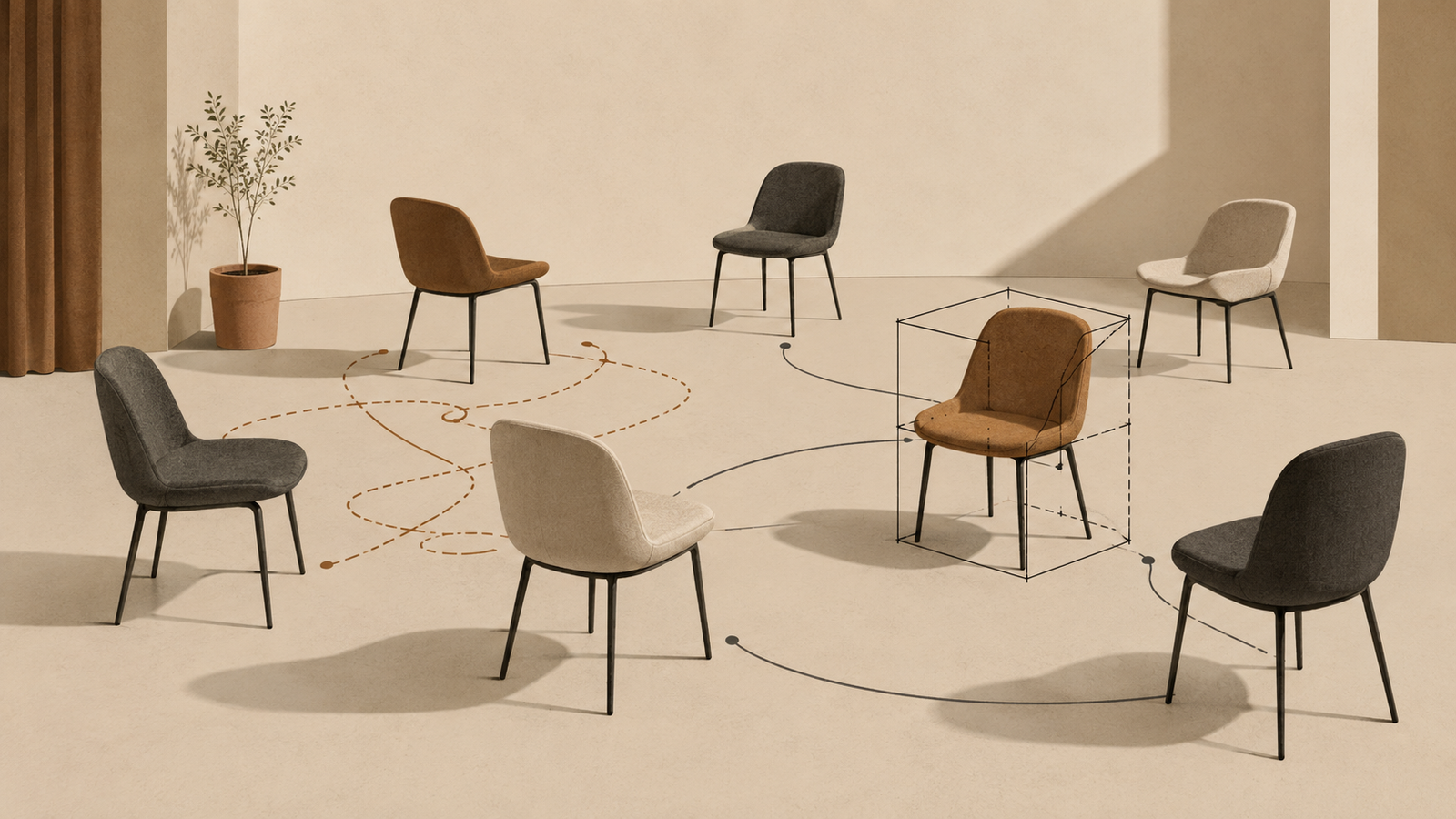
We Don’t Hate Small Talk. We Hate Performing.
Sometimes conversation is not exhausting. The costume we think we need for the conversation is.
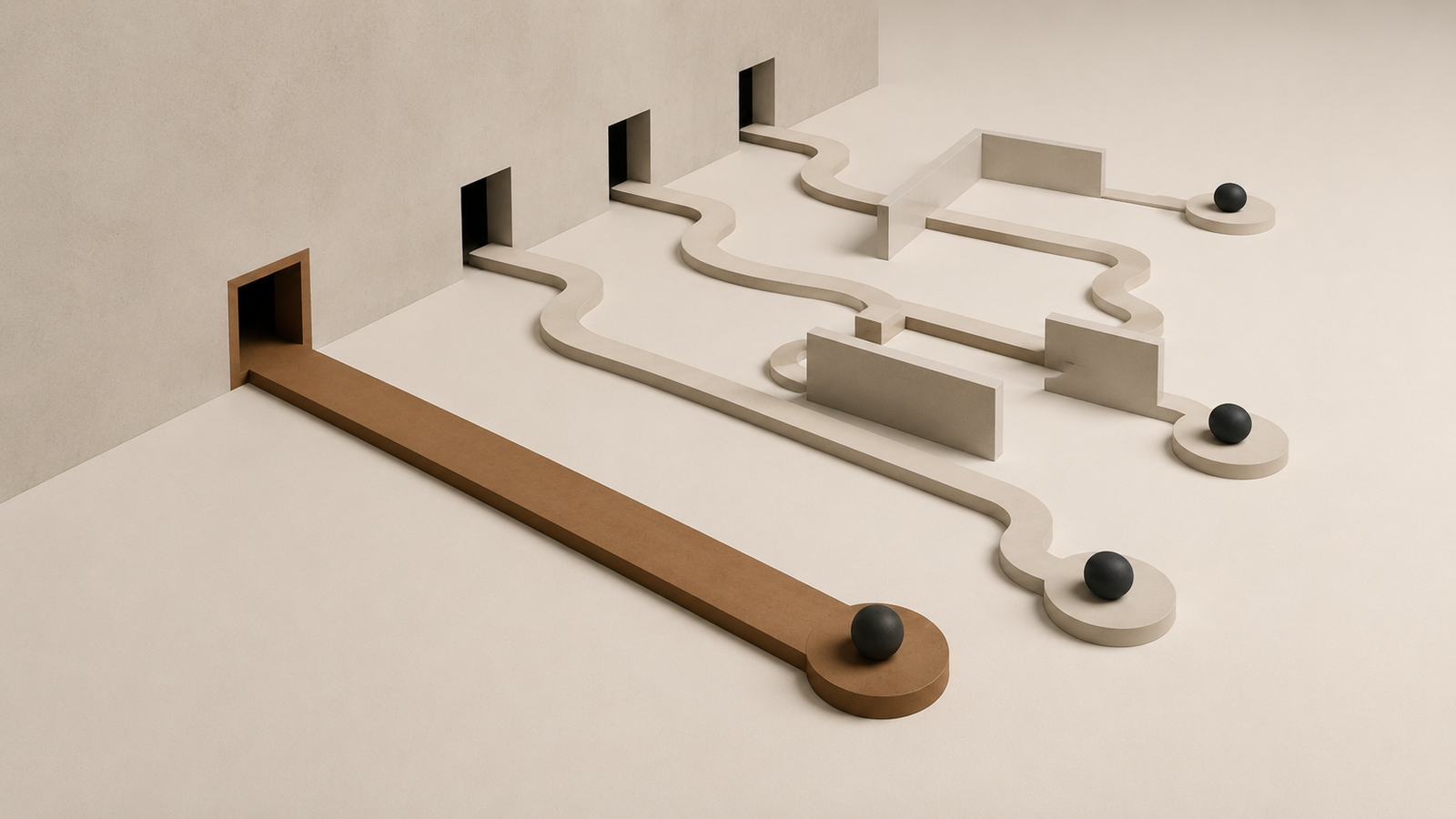
We Call It Being “Bad at Texting.” We Mean We’re Bad at Prioritizing.
The phone works. The interesting part is how reliably some messages still manage to get answered.

Rest Stopped Being Rest When We Started Having to Justify It.
Rest used to require a chair. Now it occasionally requires a strategic rationale.

Maybe It Isn’t Loyalty. Maybe You’re Just Not Ready to Leave.
Loyalty sounds noble. Sometimes it is. Sometimes it is delay with excellent branding.
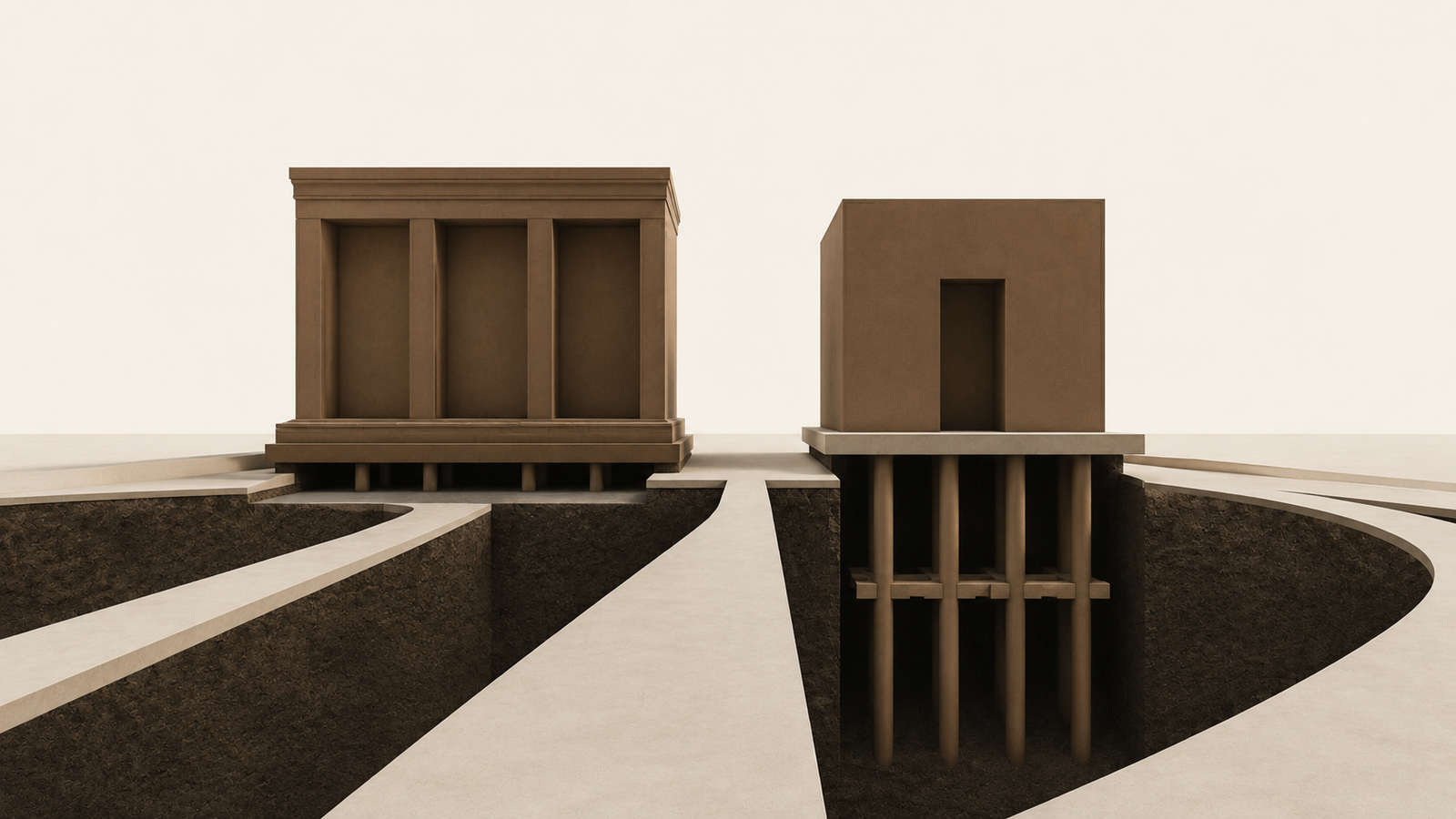
Looking Like You Care Became More Important Than Caring.
Looking supportive and carrying actual weight are not always the same form of care.
What This Series Is Really About
This Is Us (But Funnier) is not only about the gap between what people say and what they do. It also looks at the structures underneath ordinary life: the roles we inherit, the standards we absorb, the access we normalize, the relationships we maintain, and the useful things communities build without always naming them.
Recurring Rooms
- Accountability: what happens when the conclusion is clear but accepting it carries a cost.
- Boundaries & Access: who can reasonably ask what, from whom, and when.
- Family & Relationships: how affection, competence, history, responsibility, and maintenance become structure.
- Money & Status: which inherited numbers, symbols, and definitions quietly become measures of a life.
- Work & Attention: how technology, responsiveness, busyness, and professional identity reshape availability.
- Community & Participation: why belonging works best when people can recognize what contribution actually looks like.
- Culture & Continuity: how unwritten rules, ritual, memory, humor, and shared standards carry useful knowledge forward.
- Care & Trust: the difference between looking supportive and becoming someone or something others can actually rely on.
Series FAQ
What is This Is Us (But Funnier)?
This Is Us (But Funnier) is a Groundwork Daily series built by Micah Green. It uses cultural observation and humor to examine the systems hiding inside ordinary behavior, relationships, work, money, family life, community, and the rules people somehow agreed to without holding a meeting.
Is This Is Us (But Funnier) satire?
No. Humor is part of the method, but the series is cultural observation rather than satire. The goal is not to stand outside the behavior and mock people. Micah stays close enough to the room that recognition usually arrives before judgment.
Does the series only examine what people get wrong?
No. The series can critique avoidance, contradiction, unclear responsibility, and performative behavior, but it also recognizes assets: strong family roles, community knowledge, useful norms, durable relationships, cultural continuity, cooperation, care, and systems that already work better than people realize.
Where should new readers begin?
For the original series logic, begin with We’re Not Confused. We’re Just Avoiding the Math. For the current evolution of the series, the September run is a stronger sample of its full territory: family, money, work, culture, and friendship.
What is the newest run?
The September 2026 run begins with Every Family Has a Job Nobody Applied For and continues through money, after-hours work, cookout governance, and We’re Still Friends. We Just Haven’t Seen Each Other Since the Obama Administration.
Who builds the series?
Micah Green is the Groundwork Daily Builder behind This Is Us (But Funnier). His work is observant, conversational, culturally fluent, dry, warm underneath the challenge, and interested in what ordinary behavior reveals about the systems people build together.
Meet the Builder
Micah Green
Builder, This Is Us (But Funnier)
Micah builds observational pieces about the systems hiding inside ordinary behavior, relationships, culture, family life, work, money, community, and the little rules people somehow agreed to without holding a meeting.
Explore more from Micah Green →Get the Next One
The series starts with something ordinary enough to laugh at and stays with it long enough to ask what the behavior is actually building.
Subscribe to Groundwork Daily