

You’re Not Indecisive. You’re Afraid of Regret.
Most indecision isn’t confusion. It’s fear of regret in a culture that punishes mistakes more than stagnation.
Culture, Media & Leadership looks at how influence works. It explores the systems that shape
behavior, how narratives spread, how people signal identity, and how leaders reveal themselves
when the pressure hits. Culture is not random. It is structured, strategic, and patterned.
This category examines the incentives behind media, the psychology of audiences, and the ways
cultural signals drive choices in relationships, community, and public life. The goal is clarity
in a noisy world, insight over reaction, and awareness that lasts longer than the timeline
of any trend.
Most indecision isn’t confusion. It’s fear of regret in a culture that punishes mistakes more than stagnation.
Liberation language spreads because it is easy to reward. Liberation systems move slowly because they carry weight. Words travel light. Structure does not.

You cannot build trust while performing for approval. Community is built through presence, not applause.
The porch does not lie. When outcomes repeat, it is not because nobody knew. It is because structure was ignored in favor of hope, rhetoric, and convenience.
Boundaries are not threats or negotiations. They are quiet decisions backed by action, not repeated explanations.
What we call burnout is often grief in disguise. Not exhaustion from doing too much but mourning a life that no longer fits.
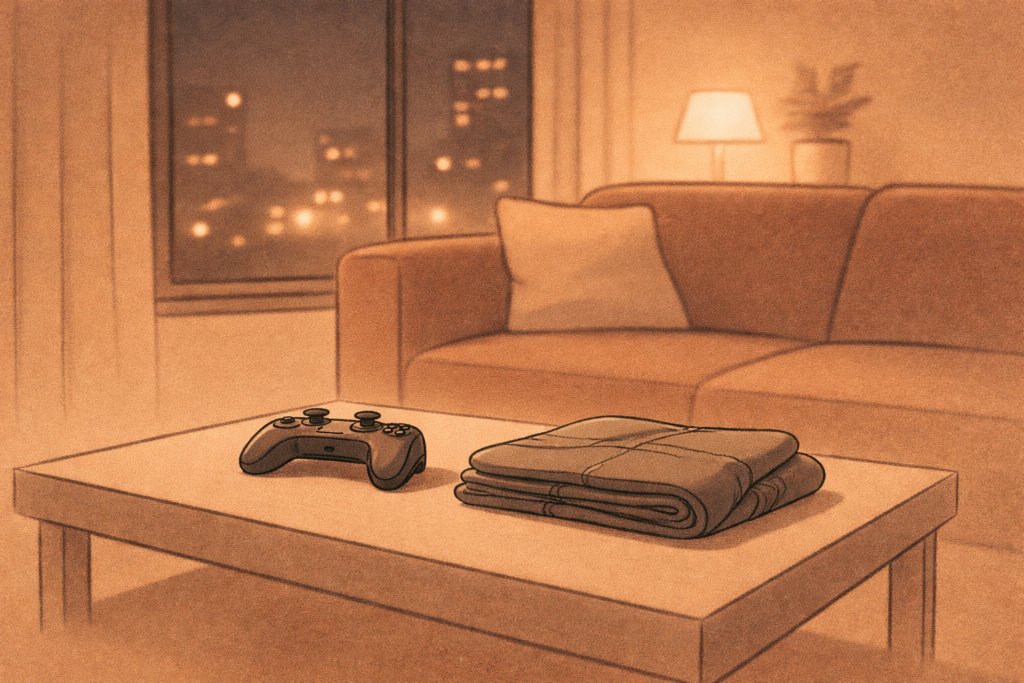
Not every woman wants a man chasing the night. Some prefer him at home, controller down, present and predictable. Here’s why.
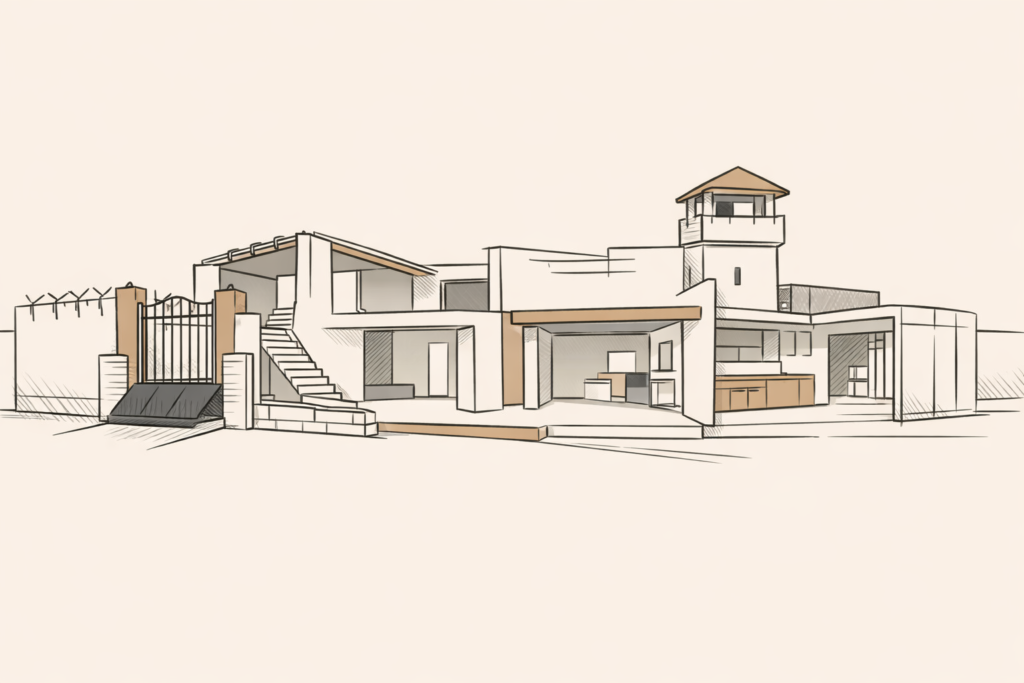
Gatekeeping feels powerful, but it does not build households. It controls access without teaching contribution. It filters people instead of forming partners. Over time, it produces isolation, not stability.
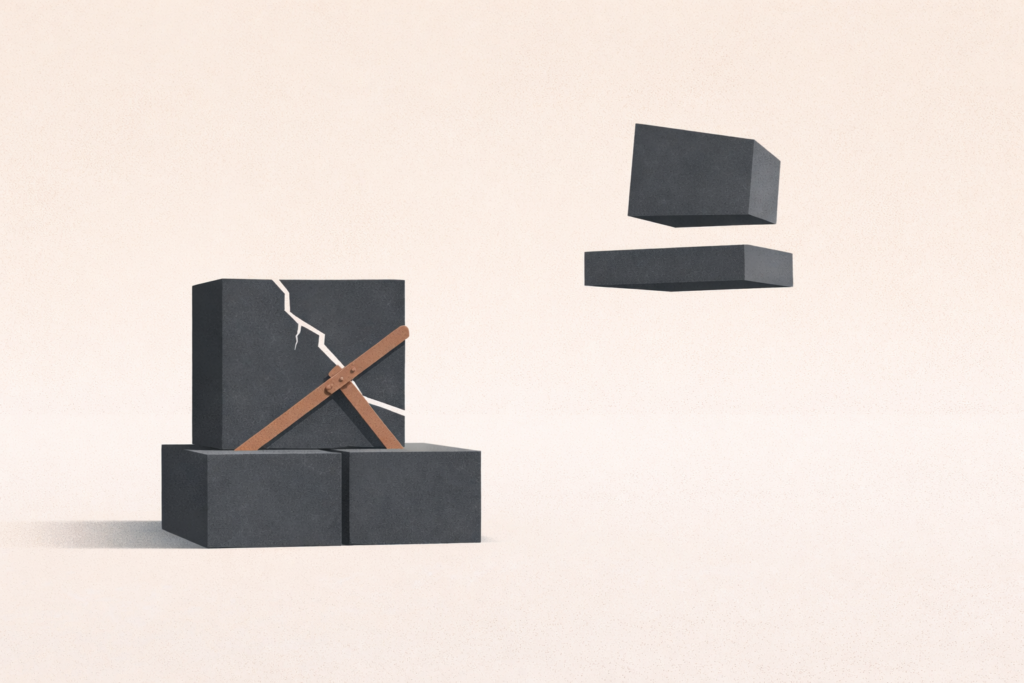
Apologies acknowledge harm. Repairs change behavior. When words replace action, relationships stall and emotional labor quietly shifts to one side.
Compassion becomes dangerous when it stops respecting autonomy. Control rarely arrives as force. It often arrives disguised as care.
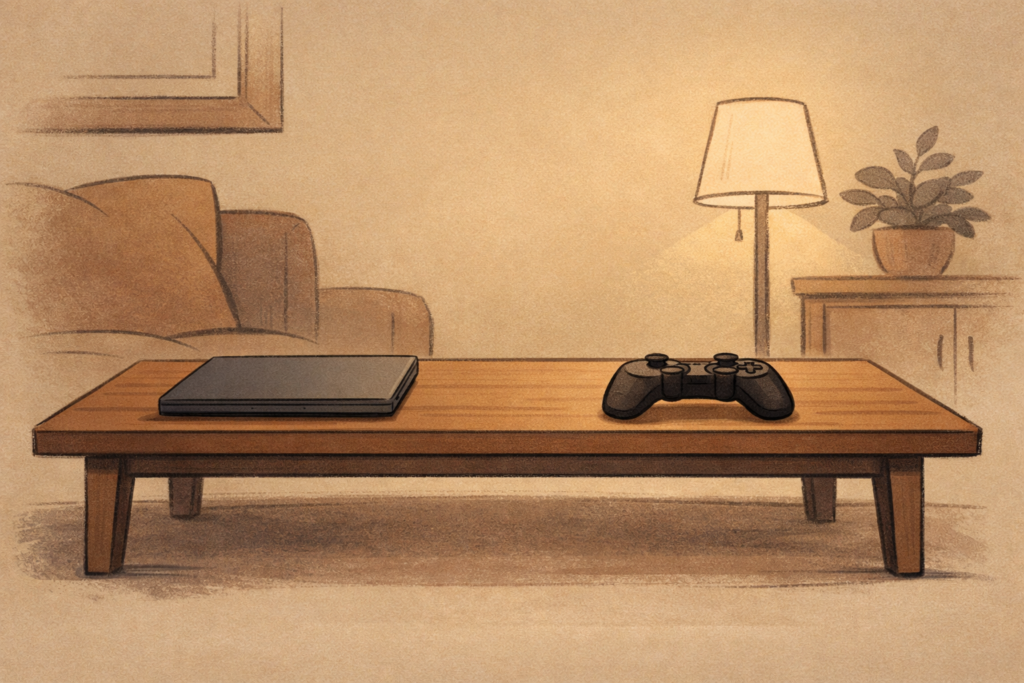
Men are allowed to work themselves to exhaustion, but rest must always be justified.
This piece examines why male play is treated as immaturity while male labor is treated as virtue—and what that imbalance costs men, families, and society.

Some friendships are not built to last. They are built to stall. Growth exposes the difference between loyalty and shared inertia.