

Financial Boundaries as Respect
Financial boundaries are not distance. They are design. Clear money systems protect autonomy, reduce conflict, and turn respect into routine.
Money is not just income. It is structure, timing, and the systems that keep pressure from
turning into panic. Economy & Ownership is where financial discipline, cashflow design,
and asset strategy come together so that households and builders can move with intention
instead of reacting in crisis.
This category is about ownership as infrastructure: bank accounts,
skills, systems, and agreements that protect your time and attention. The focus is on
cashflow, risk, and repeatable habits that turn work into margin, margin into options,
and options into long-term stability.
Financial boundaries are not distance. They are design. Clear money systems protect autonomy, reduce conflict, and turn respect into routine.

Power and price do not disappear after failure. They change direction. When a system breaks, the damage rarely speaks for
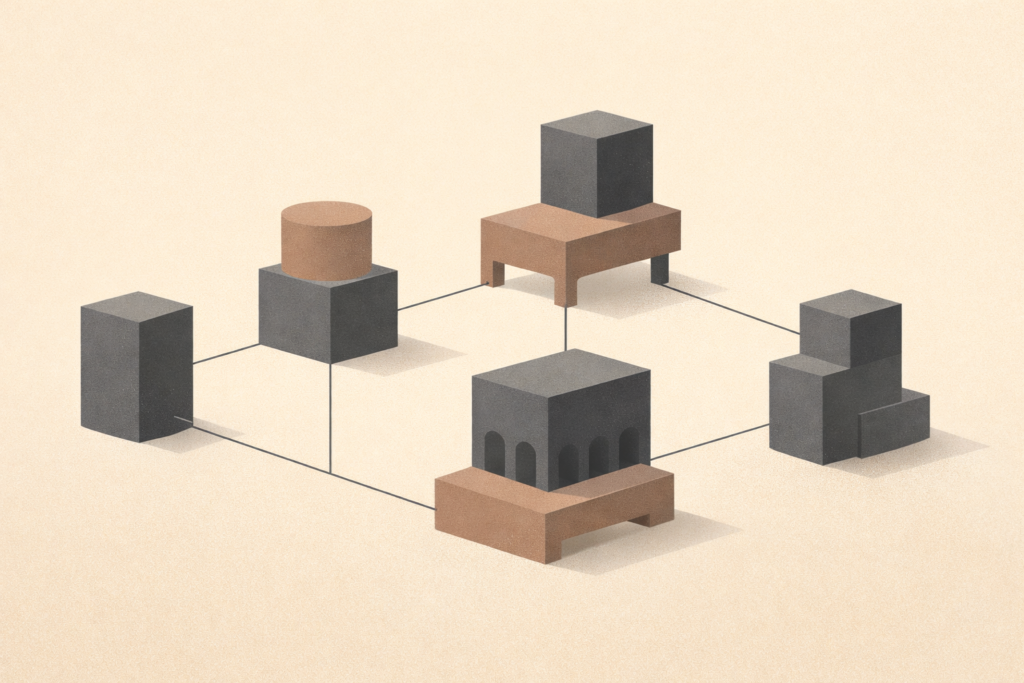
Group economics is often misunderstood as risky or deceptive. This explainer shows how group economics actually works, why it is not a pyramid scheme, and what makes shared ownership models sustainable.

Culture is not mood. It is structure. Before a society debates identity, it quietly decides its load-bearing rules. Incentives, accountability, and shared norms determine whether ambition compounds or collapses. Treat culture like architecture and you will see what is holding — and what is drifting.

Not every change matters. This post explains how analysts distinguish real economic signals from background patterns and why economic accountability depends on interpretation.

Power and price remain connected even when systems appear stable. When costs keep moving instead of being paid, the base eventually breaks.

The $20 lunch did not fail because people stopped eating out. It failed because pricing drifted too far from perceived value. Markets eventually correct fiction.

Economic accountability begins with outcomes, not performance. This entry examines how comparison, tradeoffs, and measured results reveal what narratives often conceal.

Costs rarely disappear. When power protects itself, the burden shifts quietly to somewhere else.
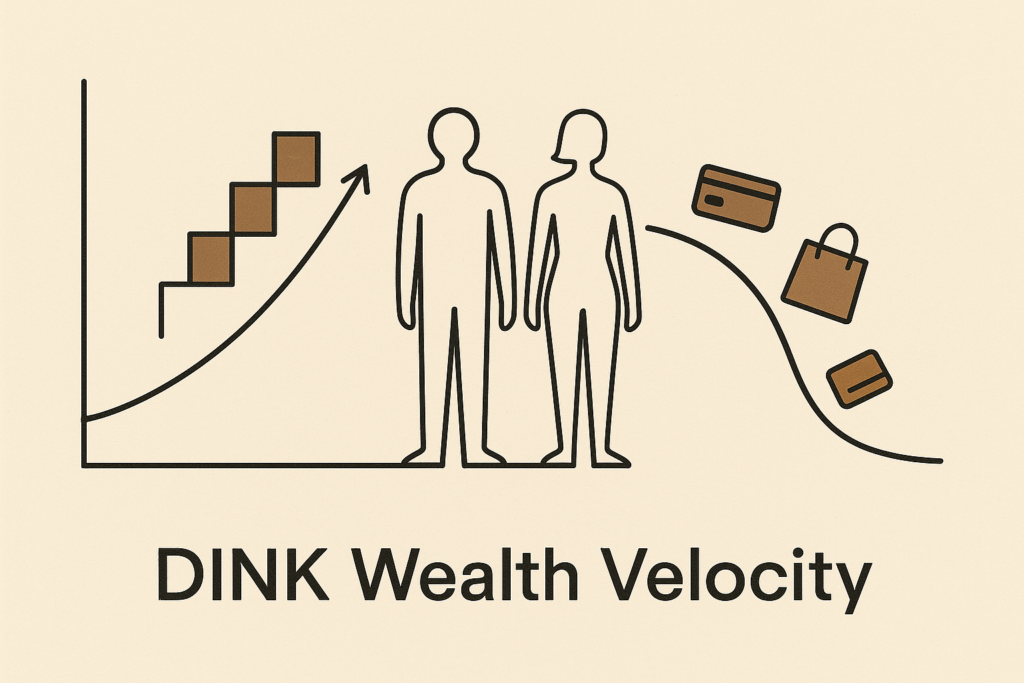
DINK wealth inequality doesn’t come from income; it comes from structure. Two incomes compound in opposite directions depending on discipline, architecture, and long-term posture.

DINK wealth velocity is not automatic. Two incomes create speed only when a household knows how to convert margin into momentum. Structure is the accelerator.

The hidden risks of DINK life are quiet at first. Dual income with no kids feels safe, but comfort and lifestyle creep can quietly erase the leverage that season was built to create.