
Money Monday
Two incomes can create a powerful financial window. However, they can also make weak structure remarkably easy to ignore.
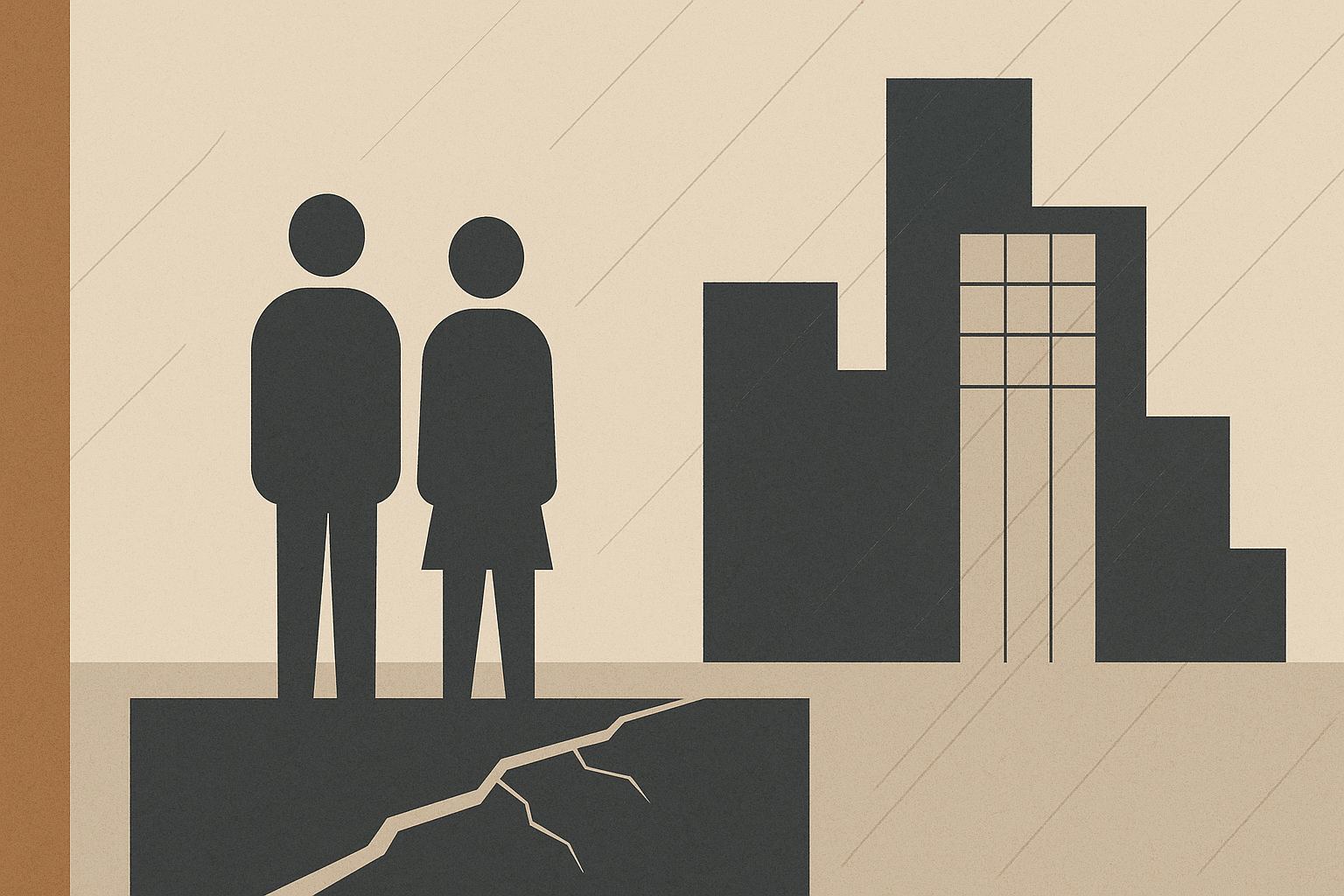
The hidden risks of DINK life often stay invisible because two incomes can cover weak financial decisions for a surprisingly long time. Bills get paid, travel still happens, and the household appears comfortable. As a result, nothing feels urgent enough to force a correction.
That comfort is real. However, comfort and financial resilience are not the same thing.
A dual-income household without children can have greater flexibility, fewer dependent costs, and more disposable income than many households. Those advantages create a valuable financial window.
At the same time, surplus can delay consequences. Overspending becomes easier to carry, lifestyle inflation feels manageable, and weak savings habits remain hidden because another paycheck arrives before the weakness becomes painful.
Therefore, the real risk is not DINK life itself. The risk is allowing temporary financial ease to masquerade as permanent strength.
False Safety
Why the Hidden Risks of DINK Life Can Feel Like Stability
Predictable income creates a powerful sense of control. When both adults are earning, ordinary financial problems often feel easier to absorb.
For example, an unexpected expense appears and the household handles it. A vacation costs more than planned, yet the next pay cycle repairs the checking account. Housing becomes more expensive, but two salaries still cover it.
Absorption Is Not the Same as Resilience
Because the household can absorb weak decisions, those decisions may never feel weak.
A resilient household has reserves, manageable obligations, shared priorities, and room to change course. By contrast, a household that simply earns enough to carry its current lifestyle may remain stable only while both incomes continue without interruption.
Perception says, “We are doing fine.” Structure asks a harder question: “What happens when the conditions supporting this life change?”
Lifestyle Creep
Lifestyle Creep Is One of the Hidden Risks of DINK Life
Lifestyle inflation rarely arrives as one reckless decision. Instead, it usually enters through a series of reasonable upgrades.
The apartment gets better. Takeout becomes more frequent. Weekend travel expands. A vehicle payment appears. Meanwhile, subscriptions and convenience services quietly multiply.
Today’s Upgrade Becomes Tomorrow’s Baseline
Eventually, the household spends substantially more without feeling as though anything dramatic changed.
The deeper cost is not one purchase. Instead, the real cost is the new baseline.
Once an upgraded lifestyle becomes normal, reducing it can feel like loss. Consequently, expenses that once felt discretionary begin behaving like fixed obligations.
Financial flexibility then shrinks even though household income may still look strong.
Risk Architecture
Three Hidden Risks of DINK Life That Compound Quietly
The greatest vulnerabilities are often ordinary patterns that harden while the household has enough income to carry them.
Rising Lifestyle Becomes a Fixed Obligation
Comfort becomes expectation, and expectation can become dependency. Once the household anchors itself to a particular cost structure, reducing expenses becomes harder when circumstances change.
The Illusion of Fixing It Later
Two incomes can make course correction appear permanently available. Nevertheless, habits compound. The longer high spending and weak ownership persist, the more future income must work simply to recover lost time.
No Shared Financial Identity
Two people can share expenses without sharing a financial philosophy. One partner may prioritize ownership while the other prioritizes present comfort. Unless the difference is resolved, additional income can magnify the disagreement instead of solving it.
Drift
Financial Drift Magnifies the Hidden Risks of DINK Life
The central threat is not necessarily financial collapse. More often, the problem is slow drift.
A household can spend years earning well, paying bills, traveling, and living comfortably without materially increasing ownership, reserves, or flexibility.
Nothing Has to Break for the Window to Close
Time changes the operating environment on its own. Careers shift, parents age, health priorities emerge, and housing needs evolve.
In addition, one partner may eventually want a different pace of work. When that happens, a lifestyle built around two uninterrupted salaries can become more restrictive than expected.
Meanwhile, years that could have produced meaningful compounding do not return.
This is where DINK wealth divergence matters. Similar households can begin with the same income advantage and arrive at midlife with very different levels of ownership and control.
Ease is a season. What the household builds during that season is the asset.
Protection
How DINK Households Protect Their Financial Leverage
The answer is not deprivation. Instead, the answer is governance. A household needs enough structure to prevent temporary surplus from quietly becoming permanent overhead.
Guardrail 01
Set a Lifestyle Ceiling
Decide how much recurring lifestyle the household is willing to carry. Otherwise, income growth will make that decision automatically.
Guardrail 02
Establish a Savings and Ownership Floor
Define the minimum share of income that moves toward reserves, investments, retirement, debt reduction, or other durable assets before discretionary spending begins.
Guardrail 03
Define the Shared Destination
Agree on what the household is actually building. Without a destination, surplus has no governing priority, and consumption usually wins by default.
Guardrail 04
Audit the Cost Structure
Review recurring spending on a fixed schedule. Because habits harden quietly, subscriptions, payments, convenience costs, and lifestyle assumptions need deliberate review.
The Structural Test
Remove One Income From the Equation
If one income disappeared for a year, how much of the household’s current life would immediately have to change?
That answer helps reveal whether dual income is creating leverage or merely financing dependency.
Structural Takeaway
The Hidden Risks of DINK Life Grow Without Structure
Dual income can create extraordinary leverage. However, leverage exists only when surplus increases the household’s control over its future.
If higher earnings produce higher fixed costs at roughly the same pace, the household has not necessarily become stronger. Instead, it may simply have become more expensive.
Do not measure the DINK advantage by what two incomes can buy. Measure it by what two incomes allow the household to stop depending on.
Comfort is useful. Margin is stronger. Ownership is stronger still.

Groundwork Daily Core Principle
Discipline Before Dollars
Additional resources do not eliminate weak financial behavior. In fact, they can hide it. Discipline determines whether greater income becomes greater capacity or simply supports greater consumption.
Explore the Principle →Continue Building
Follow the DINK Financial Architecture
Leverage
The DINK Advantage
Why dual income can create unusual leverage when the household protects the gap between earnings and obligations.
Acceleration
DINK Wealth Velocity
How shared costs, aligned priorities, and disciplined allocation can turn two incomes into financial acceleration.
Compounding
DINK Wealth Divergence
Why similar two-income households can arrive at midlife with radically different levels of ownership and control.
Receipts
Sources Behind the Structure
Groundwork Architecture
Where This Article Lives
Groundwork Daily
Build the Structure Before You Need It
Groundwork Daily examines money, ownership, family, discipline, systems, and the decisions that determine what holds when pressure arrives.
Join the Groundwork List