

Peace Is a System, Not a Feeling
Most people chase happiness. That is the problem. Peace is not a feeling. It is a system built through discipline, structure, and emotional control.
Most people chase happiness. That is the problem. Peace is not a feeling. It is a system built through discipline, structure, and emotional control.

Reflection improves judgment by allowing experience to settle, patterns to emerge, and emotions to regain balance before conclusions are formed.

An Ebony Alert is a state-level emergency notification system created to issue public alerts for missing Black youth and young adults under defined risk conditions. It expands notification eligibility beyond traditional AMBER Alert abduction standards.
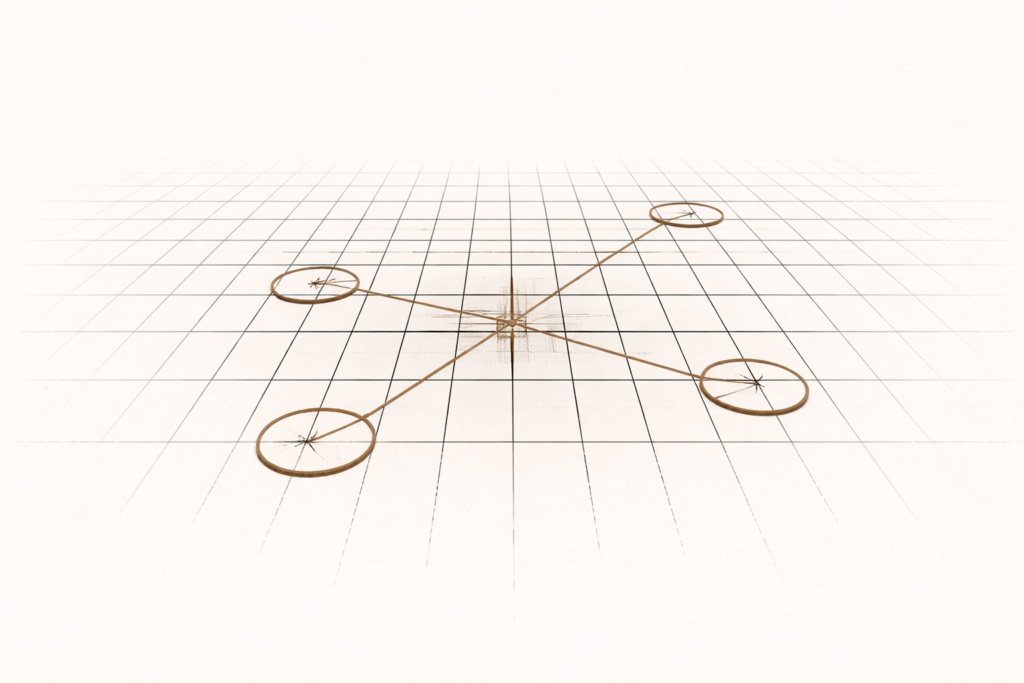
Systems rarely fail suddenly. They drift until someone audits the structure. Today’s Blueprint explains why disciplined inspection keeps systems stable and prevents quiet collapse.

Commitment requires infrastructure. Affection alone does not sustain stability. Long-term alignment depends on defined expectations, disciplined maintenance, emotional regulation, and shared direction reinforced over time.

A quiet monologue from the 1981 film My Dinner with Andre argues that modern society functions like a prison people build and maintain themselves. Decades later, the idea feels even more relevant in the age of attention-driven media.

A financial stability system is not about motivation. It is about structure. Learn how to build a clear framework that brings control to your money, reduces chaos, and creates long-term consistency.

Discernment does not always fail because we miss the signal. Sometimes we see the pattern clearly and keep postponing what it requires. Deferred Clarity explains how repeated evidence loses authority when acting becomes inconvenient.

Financial control in marriage often begins quietly. Restricted access, secrecy, and subtle pressure can signal imbalance long before escalation. Recognizing early patterns protects autonomy, stability, and long-term relational health.
Systems weaken when standards exist only on paper. Reinforcing a standard keeps expectations clear, prevents drift, and stabilizes the entire structure before small failures multiply.
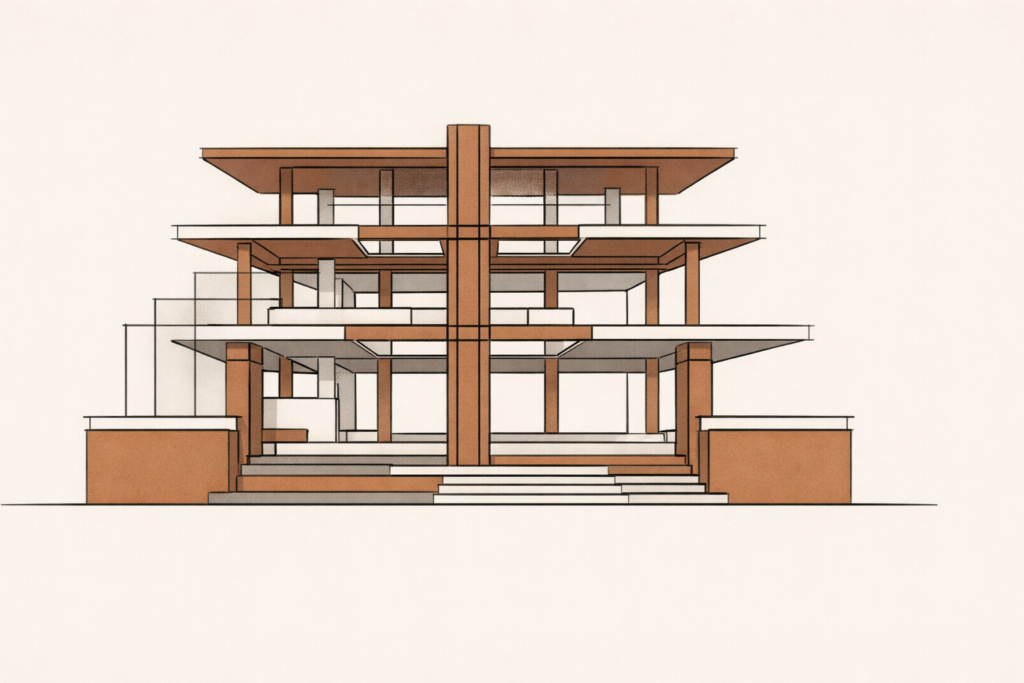
Most dress code policies fail because they avoid clarity. Strong standards define identity, guide behavior, and protect the environment without constant enforcement.

The attention economy rewards chaos, not clarity. Every screen competes for your focus, but not every input deserves your energy. The real advantage is not consuming more, it is choosing better. What you watch is shaping how you think, how you act, and ultimately how you build your life.