Legacy in Motion is Groundwork Daily’s long-horizon series on family, responsibility, and continuity.
It examines how behavior systems extend across time and become the structures people inherit.
A life is not measured only by momentum. It is measured by what continues to stand after decisions compound.
What repeats in a household becomes normal. What becomes normal becomes expected. What is expected becomes inherited.
The mission is simple. Treat legacy as a living system. Family structure, commitment, boundaries,
and provision are not abstract values. They are operational patterns that shape children, relationships,
and futures long before new decisions are made.
Legacy in Motion operates like a long-range audit. It examines how responsibility is assumed,
deferred, or avoided—and what each pattern produces over time. No nostalgia. No moral theater.
Just a clear look at what holds and what quietly breaks across generations.
Legacy is not something built later. It is already in motion. Every repeated behavior is contributing to it,
whether intentional or not.
Every installment answers three questions.
1. What system is being built
The family structure, commitment pattern, or relational model currently repeating.
2. What it produces over time
The downstream effects on children, stability, trust, and opportunity as those patterns compound.
3. What must be corrected now
The disciplined action required to protect continuity instead of reinforcing drift.
Time is not neutral. What is not guided drifts. What is not maintained decays.
What is not protected does not last.
This is responsibility practiced with intention. This is family treated as infrastructure.
This is behavior understood across time, not just in moments.
Good relationships rarely drift because people stop caring all at once. The relationship maintenance gap grows when small changes in connection, responsibility, intimacy, money, and direction go unexamined until maintenance becomes repair.
Resentment often begins where responsibility stops being negotiated and starts being assumed. When one person keeps carrying the load, reliability can quietly become expectation.
The strongest legacy is not measured by wealth or recognition. It is measured by the people, values, institutions, and opportunities that continue serving others long after your lifetime has ended.
Great parenting looks beyond childhood. Discover why the true purpose of parenting is developing capable adults who can think wisely, carry responsibility, build healthy relationships, and strengthen the next generation.
Regular family meetings create clarity before crisis. Learn how shared conversations improve family communication, strengthen accountability, and help every household stay aligned through changing seasons.
Every family operates by a set of rules, whether they are spoken or assumed. Discover how a household constitution creates clarity, strengthens trust, reduces conflict, and provides a framework for building lasting family stability.
Love can begin with feeling, but it only endures through structure. Healthy relationships need clear expectations, steady communication, shared responsibility, and repair practices that protect trust when pressure arrives.
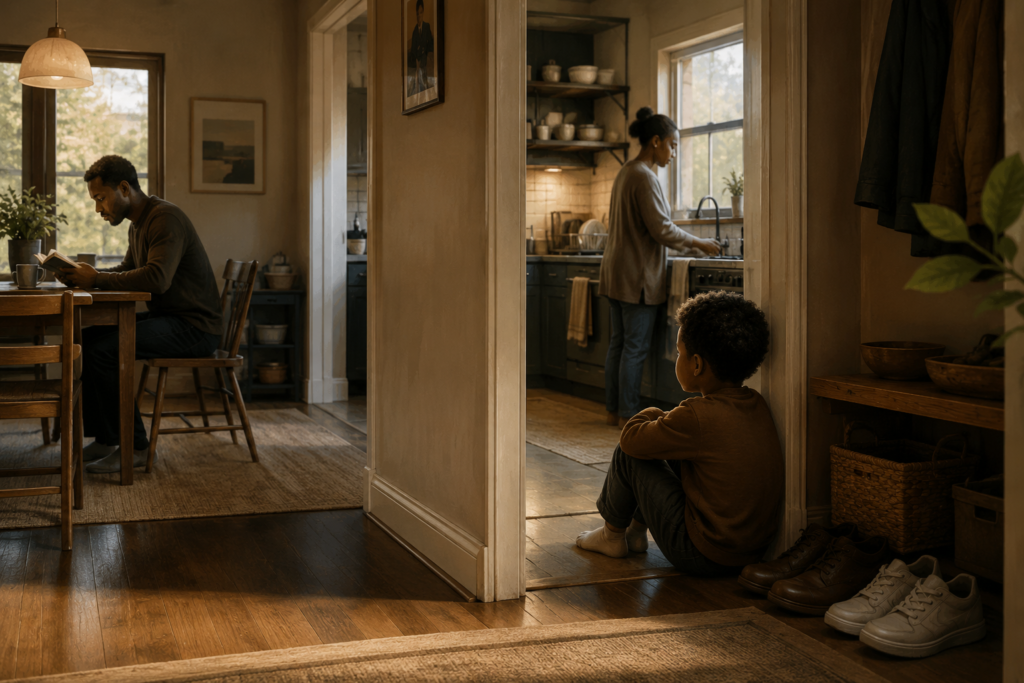
Children inherit more than genetics. They absorb routines, relationships, conflict, money habits, and everyday behavior that quietly become their definition of normal. Discover how family culture shapes the next generation long before anyone realizes it.
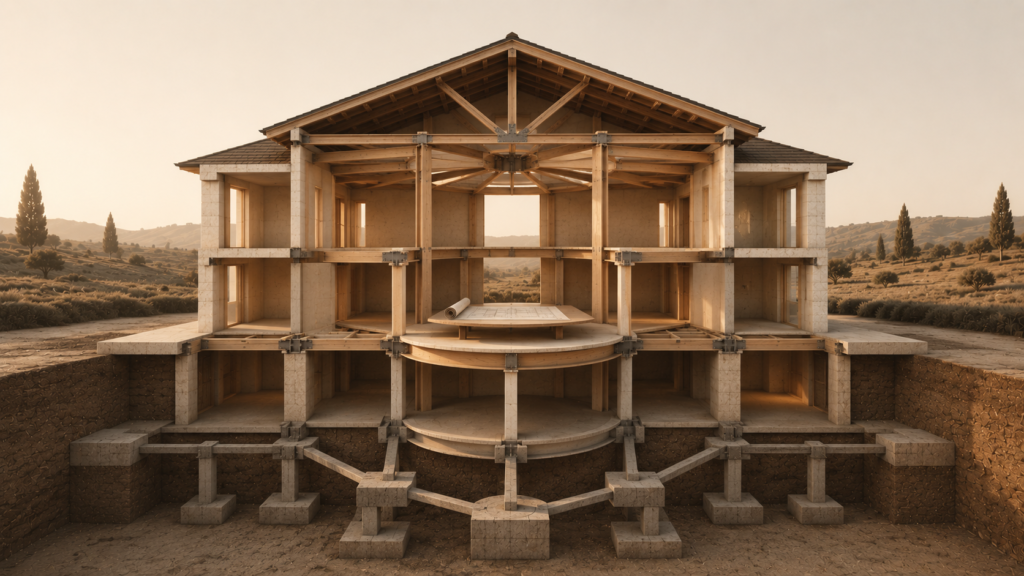
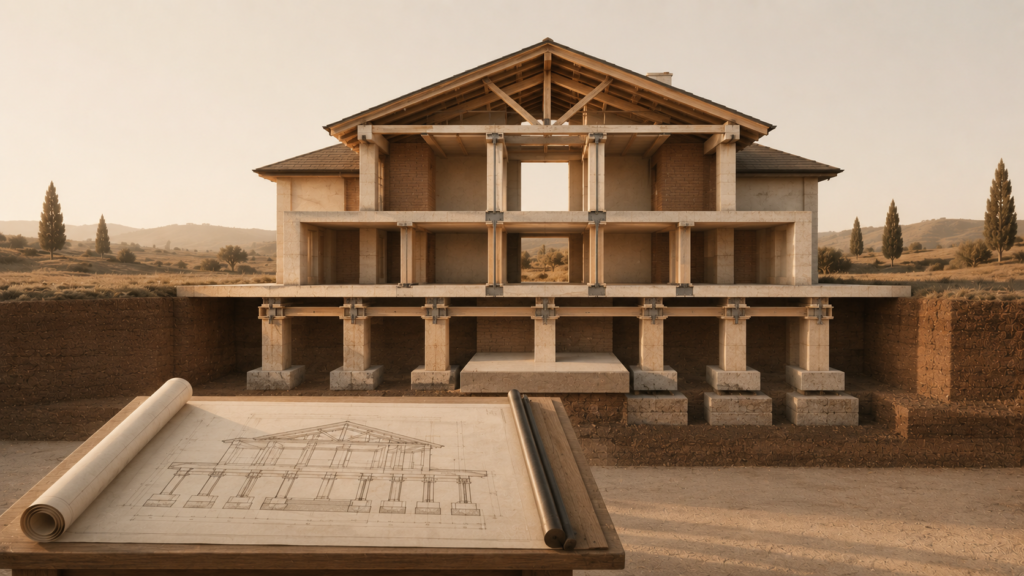
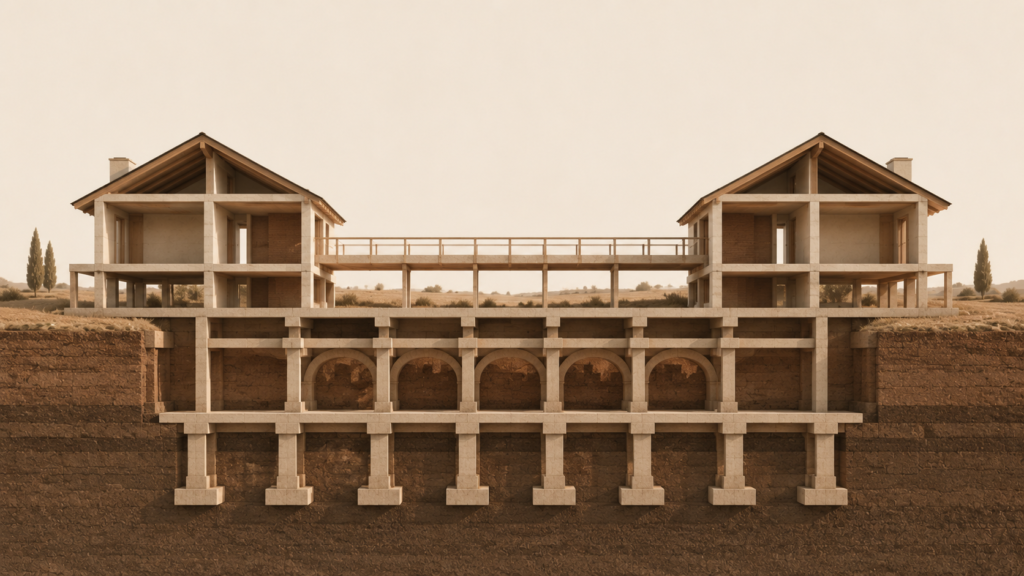
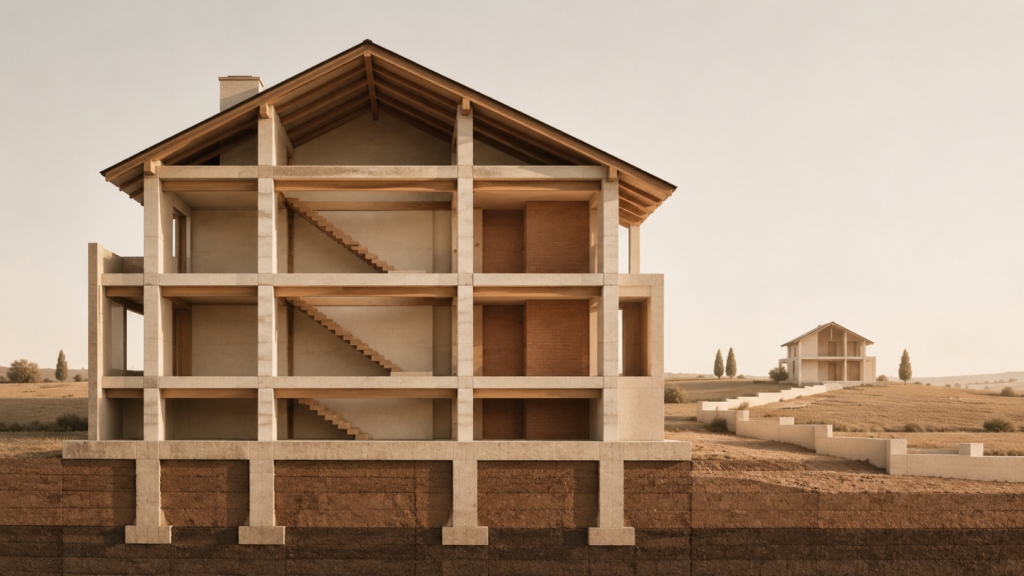
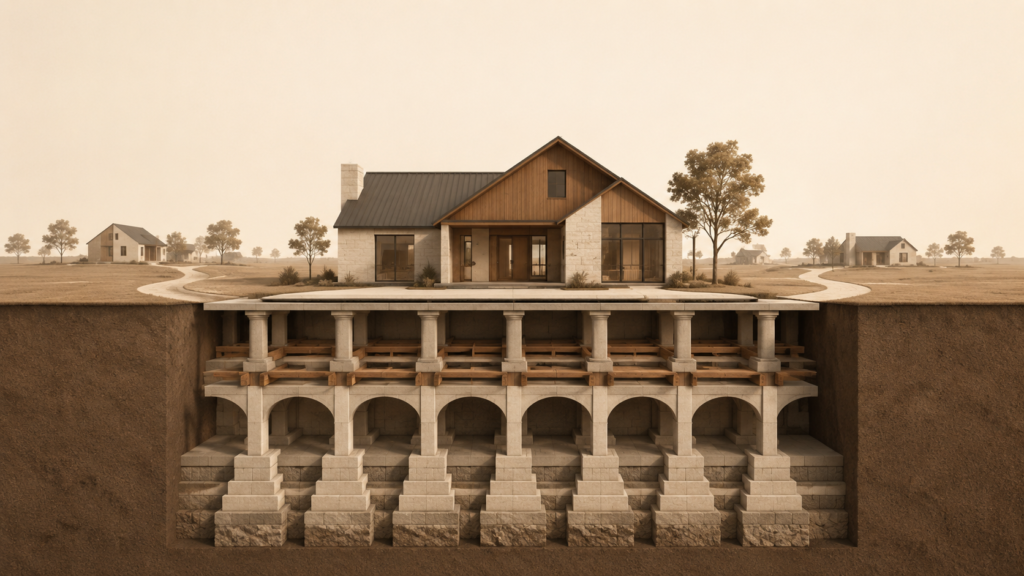
Strong families are not built by luck. They are designed through trust, shared purpose, responsibility, and daily rhythms that create stability across generations. Discover the hidden architecture that helps families endure long after individual moments have passed.
Relationship infrastructure turns affection into stability. Strong love needs more than feeling. It needs agreements, repair, shared labor, and systems that hold under pressure.
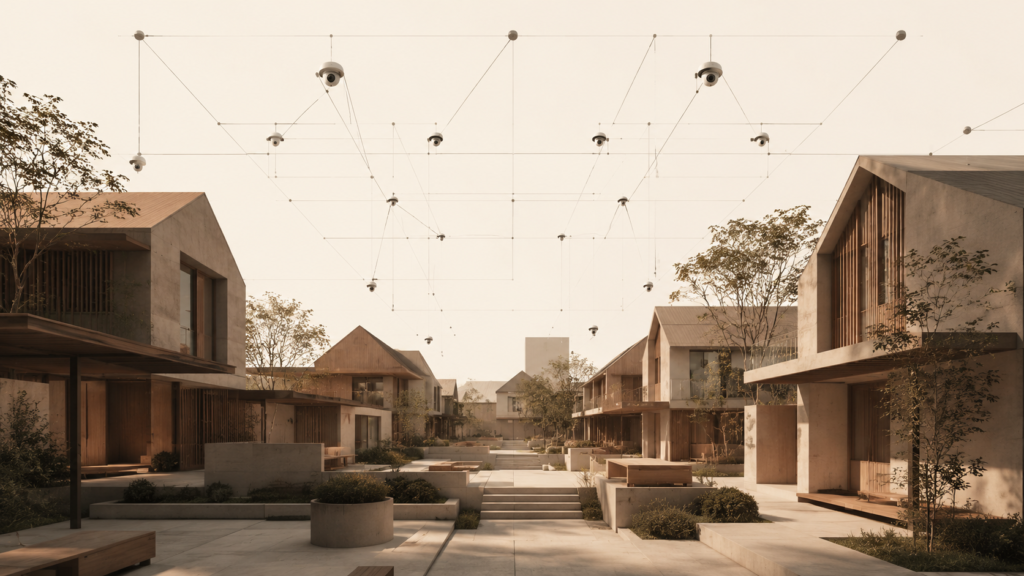
Safety can strengthen a community. Constant monitoring can weaken trust. The challenge is understanding where protection ends and social suspicion begins.