Legacy in Motion is Groundwork Daily’s long-horizon series on family, responsibility, and continuity.
It examines how behavior systems extend across time and become the structures people inherit.
A life is not measured only by momentum. It is measured by what continues to stand after decisions compound.
What repeats in a household becomes normal. What becomes normal becomes expected. What is expected becomes inherited.
The mission is simple. Treat legacy as a living system. Family structure, commitment, boundaries,
and provision are not abstract values. They are operational patterns that shape children, relationships,
and futures long before new decisions are made.
Legacy in Motion operates like a long-range audit. It examines how responsibility is assumed,
deferred, or avoided—and what each pattern produces over time. No nostalgia. No moral theater.
Just a clear look at what holds and what quietly breaks across generations.
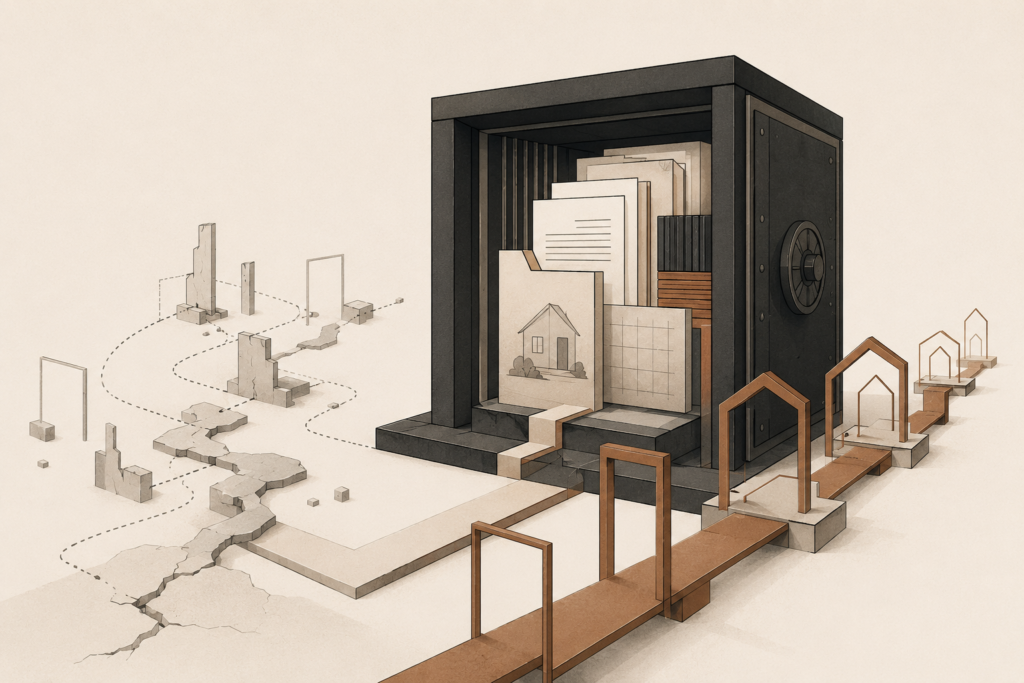
Legacy is not something built later. It is already in motion. Every repeated behavior is contributing to it,
whether intentional or not.
Every installment answers three questions.
1. What system is being built
The family structure, commitment pattern, or relational model currently repeating.
2. What it produces over time
The downstream effects on children, stability, trust, and opportunity as those patterns compound.
3. What must be corrected now
The disciplined action required to protect continuity instead of reinforcing drift.
Time is not neutral. What is not guided drifts. What is not maintained decays.
What is not protected does not last.
This is responsibility practiced with intention. This is family treated as infrastructure.
This is behavior understood across time, not just in moments.
People rarely remember our biggest moments as clearly as they remember our repeated ones. Legacy begins long before inheritance. It starts in routines, decisions, and the standards we reinforce every day.
Presence without proof does not hold weight. In structured systems, only documented actions influence outcomes. Learn why proof beats presence and how disciplined tracking builds leverage over time.
Fatherhood overnights leverage is not emotional. It is mathematical. Time, when tracked and documented, becomes position. And position shapes outcomes.
Most systems do not fail because people stop moving. They fail because friction compounds faster than progress. Reduce the unnecessary resistance, and the path forward becomes visible again.
Documentation is not paperwork. It is leverage. What gets recorded becomes real, and what becomes real shapes outcomes inside systems that only recognize proof.
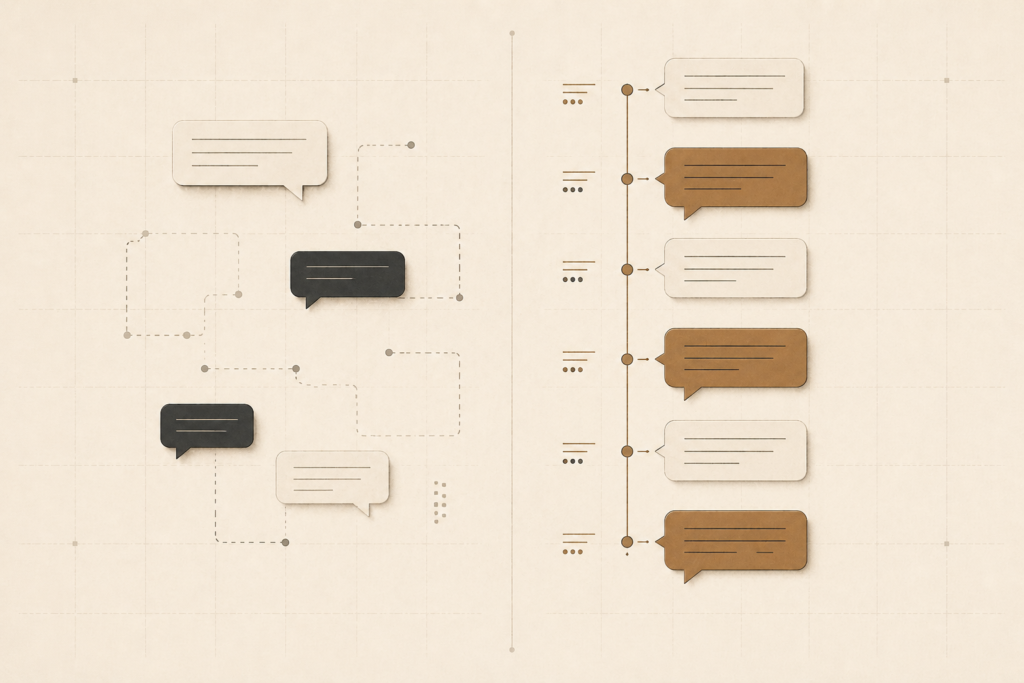
Most breakdowns are mislabeled as communication failures when the real issue is structural. The tension people call “miscommunication vs misalignment” is not about words—it is about systems operating under different rules. One side optimizes for clarity, the other for control. One follows structure, the other improvises. Until those underlying rules align, no amount of conversation will resolve the conflict.
The fatherhood responsibility system forces a trade between time and money. Without structure and documentation, fathers lose both presence and leverage.
Accountability in relationships is enforcement of shared standards. Without correction, consequence, and measurable expectations, structure weakens over time. Stability endures only when agreements are reinforced consistently under pressure.
Fairness vs equality in relationships explains why equal rights do not automatically create balanced responsibility. Stability requires proportional structure, not identical roles.