
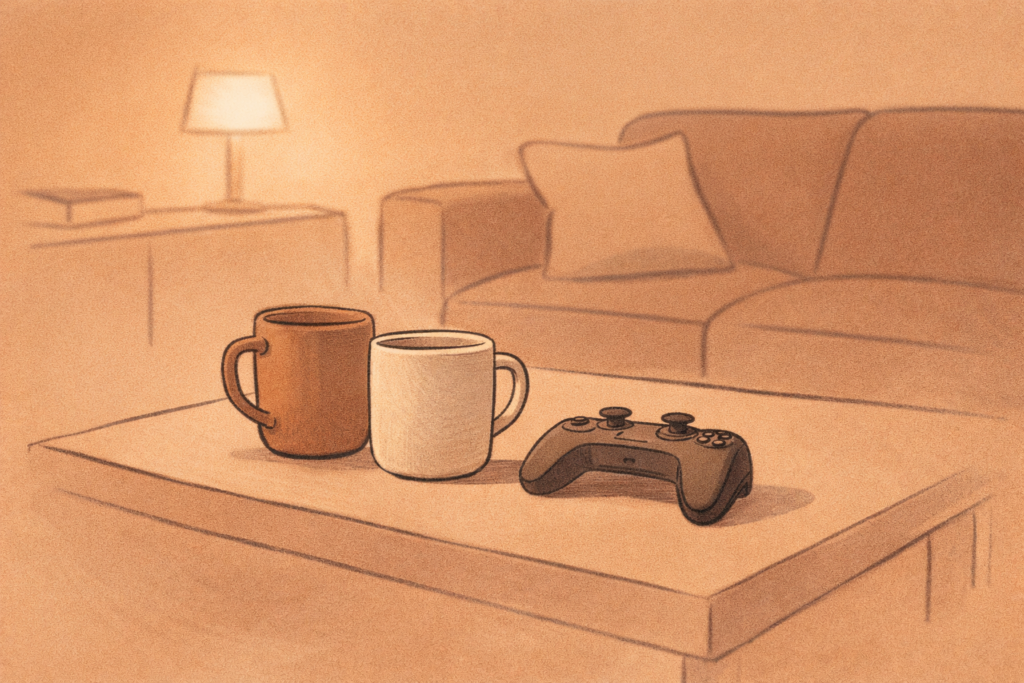
Is Gaming a Red Flag in Relationships? What Actually Matters
Gaming is not the issue in relationships. Absence is. This piece explains when gaming becomes a red flag and when it is simply structured rest.

Legacy in Motion is Groundwork Daily’s long-horizon series on family, responsibility, and continuity.
It examines how behavior systems extend across time and become the structures people inherit.
A life is not measured only by momentum. It is measured by what continues to stand after decisions compound.
What repeats in a household becomes normal. What becomes normal becomes expected. What is expected becomes inherited.
The mission is simple. Treat legacy as a living system. Family structure, commitment, boundaries,
and provision are not abstract values. They are operational patterns that shape children, relationships,
and futures long before new decisions are made.
Legacy in Motion operates like a long-range audit. It examines how responsibility is assumed,
deferred, or avoided—and what each pattern produces over time. No nostalgia. No moral theater.
Just a clear look at what holds and what quietly breaks across generations.
Legacy is not something built later. It is already in motion. Every repeated behavior is contributing to it,
whether intentional or not.
Every installment answers three questions.
The family structure, commitment pattern, or relational model currently repeating.
The downstream effects on children, stability, trust, and opportunity as those patterns compound.
The disciplined action required to protect continuity instead of reinforcing drift.
Time is not neutral. What is not guided drifts. What is not maintained decays.
What is not protected does not last.
This is responsibility practiced with intention. This is family treated as infrastructure.
This is behavior understood across time, not just in moments.
Gaming is not the issue in relationships. Absence is. This piece explains when gaming becomes a red flag and when it is simply structured rest.
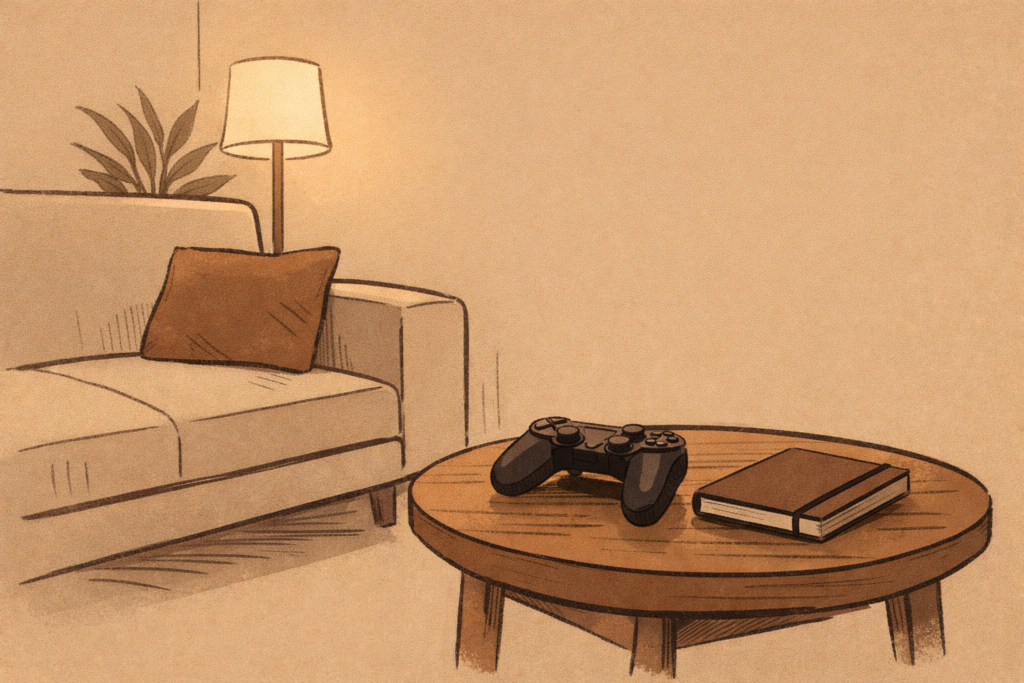
Are video games bad for adult men, or are they misunderstood? This grounded analysis examines gaming, masculinity, relationships, and the difference between healthy play and quiet avoidance.

From an early age, men are taught what they are supposed to give: provision, protection, patience, and performance. What they are rarely taught is what they are allowed to require in return. This imbalance shapes relationships where effort is expected but care is optional.

A relationship cannot build lasting trust when every uncomfortable boundary gets dismissed as insecurity. Strong partnerships need reciprocal standards, honest negotiation, and enough respect to examine the behavior instead of attacking the person who raised the concern.

Clarity often gets mistaken for control. But definition does not restrict healthy relationships. It exposes them. When expectations are named, effort becomes visible and ambiguity loses its power to protect avoidance.
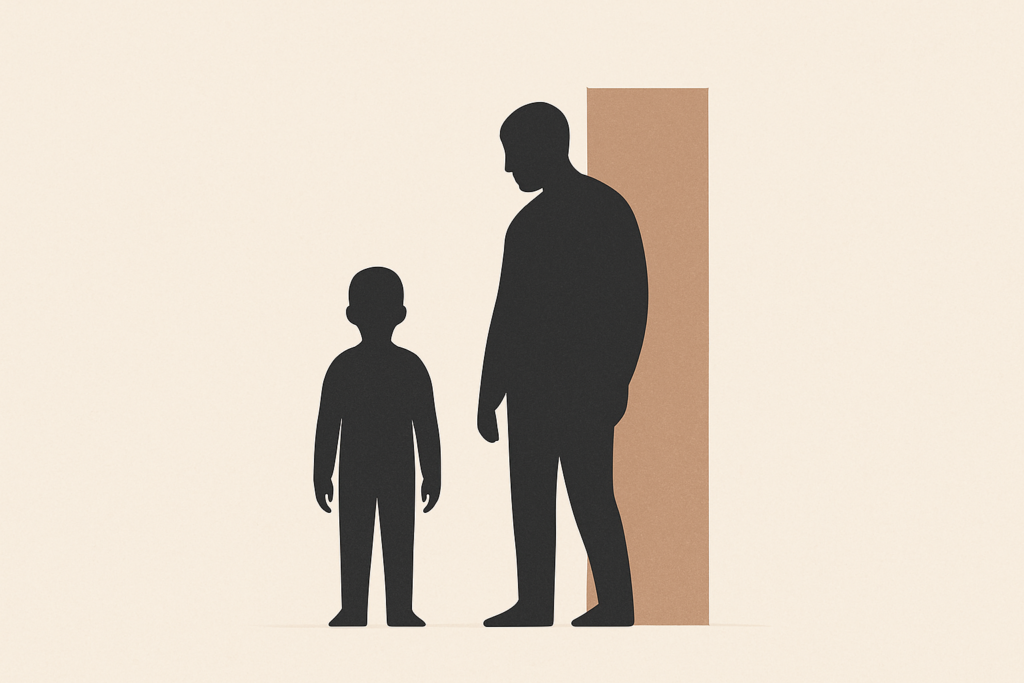
When a child already has an active father, a new partner does not need to compete for the role. Strong blended families define parental authority, household standards, partner responsibility, and the space where trust and influence can grow naturally.

A new partner is not a replacement parent. Healthy co-parenting requires role clarity, respect for active fathers, and boundaries that protect children from adult conflict.

Four essays explore how freedom, discipline, morality, and wisdom shape modern intimacy. From N. Grace James’s empathy to Marcus V.’s restraint, from analysis to reflection, the Value and Intimacy Series traces how meaning is restored when truth, patience, and peace become the new measure of worth.

Custody isn’t just a schedule. It’s a system of leverage. When the relationship ends but the conflict doesn’t, parenting time becomes a proxy for power, punishment, and control. This essay breaks down how emotional pressure, legal structure, and personal insecurity turn co-parenting into a battlefield. And what it takes to step out of the fight.

True worth is not what shines under light but what endures after it fades. Spiritual wisdom and self value are

The Family Stability Series breaks down how policy, culture, and preparation shape real household outcomes. From myth to structure, it shows why stability must be built before pressure arrives.

“Body count” became a cultural scorecard because numbers feel easier than character. When old norms collapsed, measurement rushed in to fill the gap. This piece breaks down why we reduce intimacy to data and what that habit misses about dignity, discipline, and real accountability.