

When Policy Becomes Parenting
A clear look at how government begins acting like a household when responsibility collapses, and how stronger personal discipline reduces the need for external control.

System Updates is the civic intelligence arm of Groundwork Daily. It tracks the movement of power, the reconfiguration of institutions, and the quiet shifts that shape how communities live, work, and build.
The mission is simple. Translate complexity into clarity. The world runs on systems, from policy to budgets to incentives to technology. Most of that machinery operates in the background. This series brings those systems to the surface. Each report explains how they work, what is changing, and why it matters for anyone building stability in an unstable environment.
System Updates operates like an internal audit for the world outside your door. It examines numbers, incentives, structural risk, and political movement with steady precision. No noise. No theatrics. No partisan choreography. Only disciplined analysis rooted in evidence and long horizon thinking.
Every installment answers three questions.
The policy decision, the budget move, the legal ruling, the technological acceleration.
The deeper pattern that sits beneath the headline.
The downstream effects on work, family, safety, opportunity, and long term planning.
System Updates exists because every community deserves clarity. Accountability is structural. People who are building a future should not have to guess how the system is moving around them.
This is civic literacy practiced with intention. This is disciplined awareness applied to public life. This is the briefing that keeps the builders ahead of the curve.
A clear look at how government begins acting like a household when responsibility collapses, and how stronger personal discipline reduces the need for external control.

Technological leadership is built, not inherited. Using China as a case study, this System Update explores how industrial policy, manufacturing scale, education, supply chains, and long-term investment combine to create national technological power. The lesson extends beyond one country, revealing how nations compete in the age of AI, robotics, and advanced manufacturing.

Is New York experiencing a political exodus or a long-term structural migration pattern? This System Update separates rhetoric from reality, examining what the data actually show about migration, affordability, governance, and institutional incentives. By focusing on mechanisms instead of headlines, it explains why evidence—not panic—is essential to understanding how cities grow, adapt, and compete.

Faith in democracy is under strain as public trust declines. Participation persists, but not from belief alone. Voting is shifting from confidence to calculation—where engagement becomes pressure on a system that still responds.

The November 2025 SNAP crisis exposed a deeper failure than a funding lapse. When food aid stopped, economic circulation stalled, households absorbed immediate strain, and governance delays amplified the damage. This was not just a benefits disruption. It was a real-time breakdown of infrastructure millions depend on to maintain stability.

Voters arrived for a Kentucky election that did not exist. This System Updates report analyzes the election system design failure behind the confusion—and fixes.

More than half of Congress are millionaires, a reality that exposes how wealth inequality and working-class division shape American democracy. When lawmakers write laws for their peers instead of their people, representation collapses into privilege. This System Updates analysis examines how class barriers, racial division, and campaign finance distort policy—and what structural reforms could restore accountability and multiracial solidarity.

Local elections shape how communities function, yet turnout remains low. When fewer people participate, influence concentrates. Understanding how local power works is essential to maintaining faith in democracy and strengthening civic systems.

Minimalist 16:9 editorial illustration of a layered civic system. Foreground shows a clean, geometric bridge structure in soft charcoal (#1a1a1a). Beneath it, semi-transparent layers reveal hidden systems: pipes, wiring, and grid networks in clay brown (#8c6b4f). Background in warm sand (#f5f3ef) with high negative space. Subtle cracks forming at lower layers to suggest unseen degradation. Matte lighting, soft shadows, no people, no text. Composition should feel stable at the surface but fragile underneath.
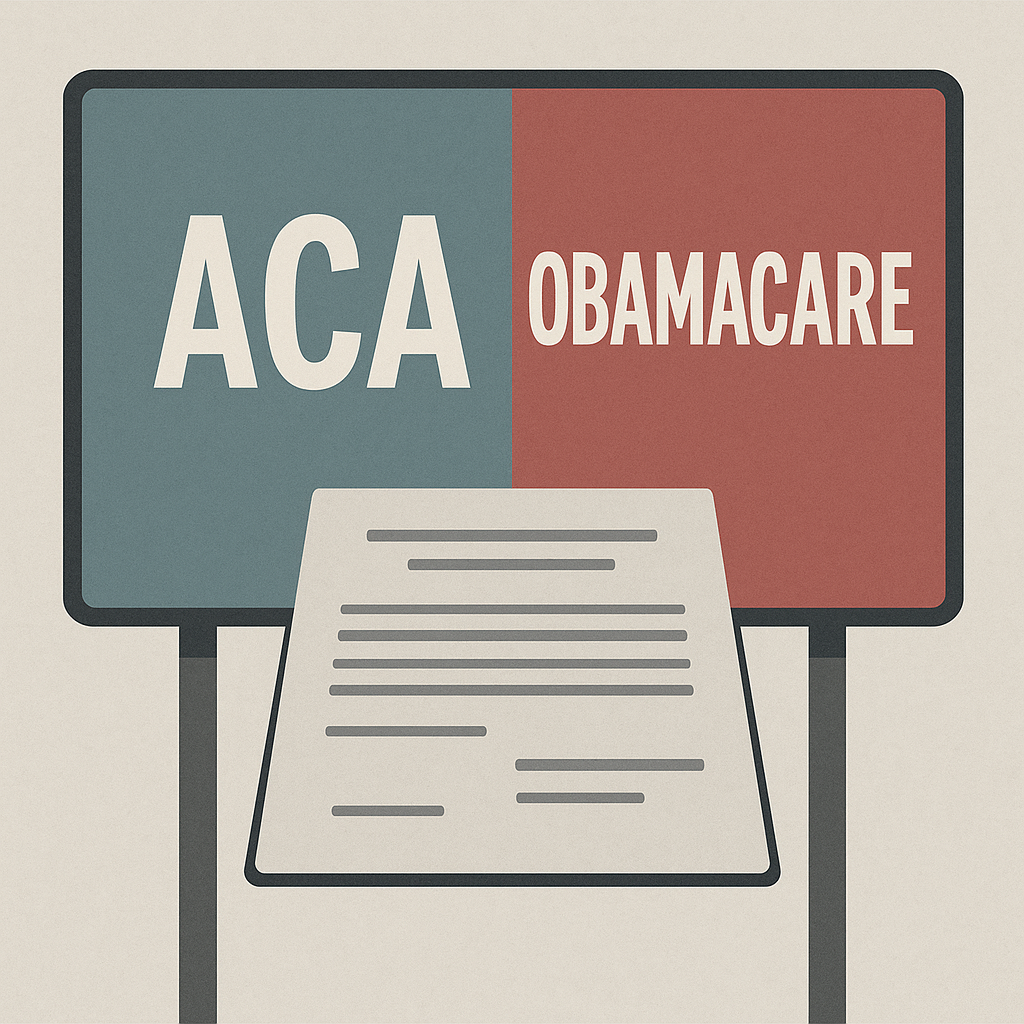
Obamacare and ACA confusion reveals a deeper system failure: when branding overrides policy, identity replaces understanding. The result is a population reacting to labels instead of outcomes—weakening accountability and distorting real-world decisions.
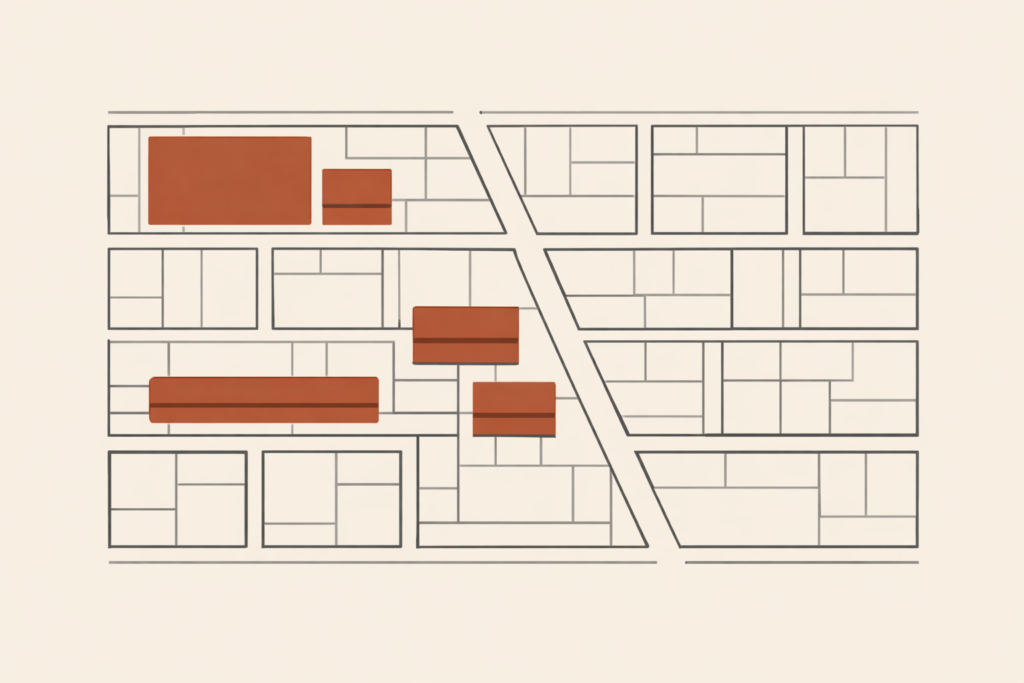
Civic budgeting priorities determine how public values are translated into numbers. Every city, county, and state budget reveals what leaders choose to reinforce and what they allow to thin out. Allocation is not theory. It is visible hierarchy.

Artificial intelligence is not just changing jobs. It is changing the systems that shape work itself. As automation moves into every industry, the people and communities that thrive will be those that understand how technology, policy, and human judgment work together. The future of work belongs to builders who adapt with intention, not bystanders waiting for change to pass them by.