

How to Start Practicing Discernment
Discernment is not instinct. It is a practice built through attention, pause, and intentional choice. This is where the practice begins.
Discernment is not instinct. It is a practice built through attention, pause, and intentional choice. This is where the practice begins.

Stillness builds clarity when inputs shrink. Today’s Revival is a quiet reset: fewer distractions, cleaner judgment, and one anchored next step.
Discipline is what you do when no one is watching. Not because it looks impressive, but because systems fail without
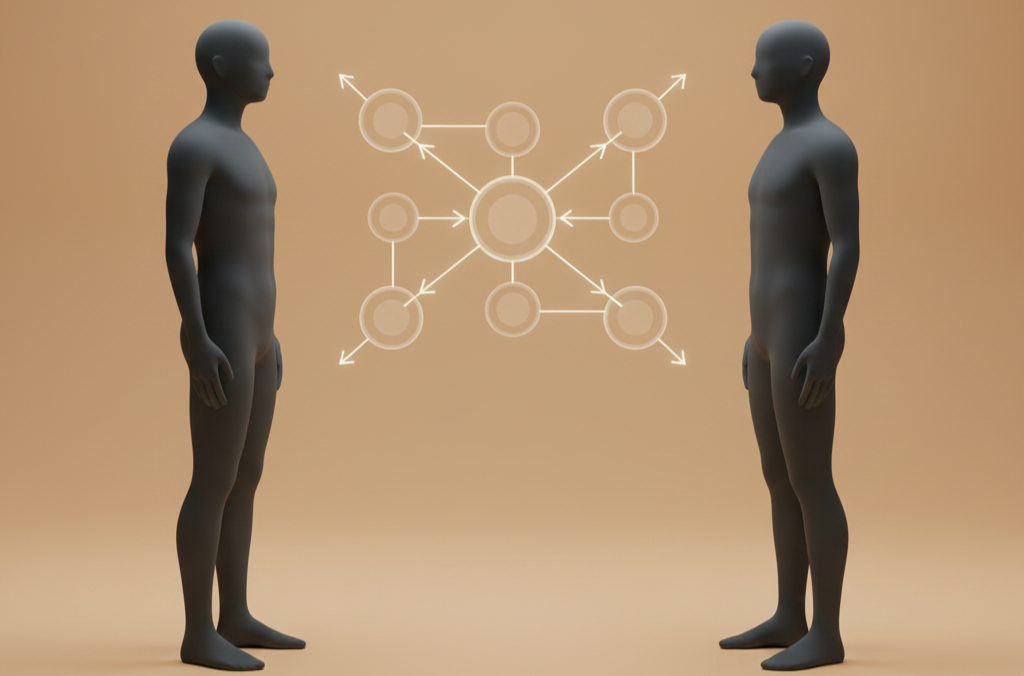
Future Literacy strengthens capability in a world shaped by rapid change. These seven skills prepare every builder for complexity and long-term clarity.
Structure is not a restriction on freedom. It is the framework that protects focus, reduces friction, and allows effort to compound without being drained by constant decision-making.

Self-discipline feels hard because most people rely on motivation instead of structure. This piece explains why willpower fails and what actually makes discipline stick over time.

In 1844, the Dominican Republic declared independence through separation rather than revolt, defining sovereignty by distinction, identity, and survival on a shared island.
Staying oriented during change is not sustained by mindset alone. It is protected by structure. Orientation is an internal skill,
The world rarely changes suddenly. It normalizes first. This piece explains how to stay oriented when culture moves faster than instruction. And why internal structure matters more than reaction.

Discipline vs motivation is not a mindset debate. It is a structural one. Motivation fades when conditions change. Discipline holds because it is built, not felt.

Busyness isn’t just a personal habit anymore. It’s a cultural permission slip that keeps people moving without choosing and occupied without clarity.

Silence as discipline is mental infrastructure. When noise is removed, judgment strengthens, restraint holds, and decisions stop leaking energy.