

The Physical Cost of Digital Ambition
Digital platforms scale globally, but infrastructure remains local. This post explains the physical cost of digital ambition and who absorbs it.
Digital platforms scale globally, but infrastructure remains local. This post explains the physical cost of digital ambition and who absorbs it.
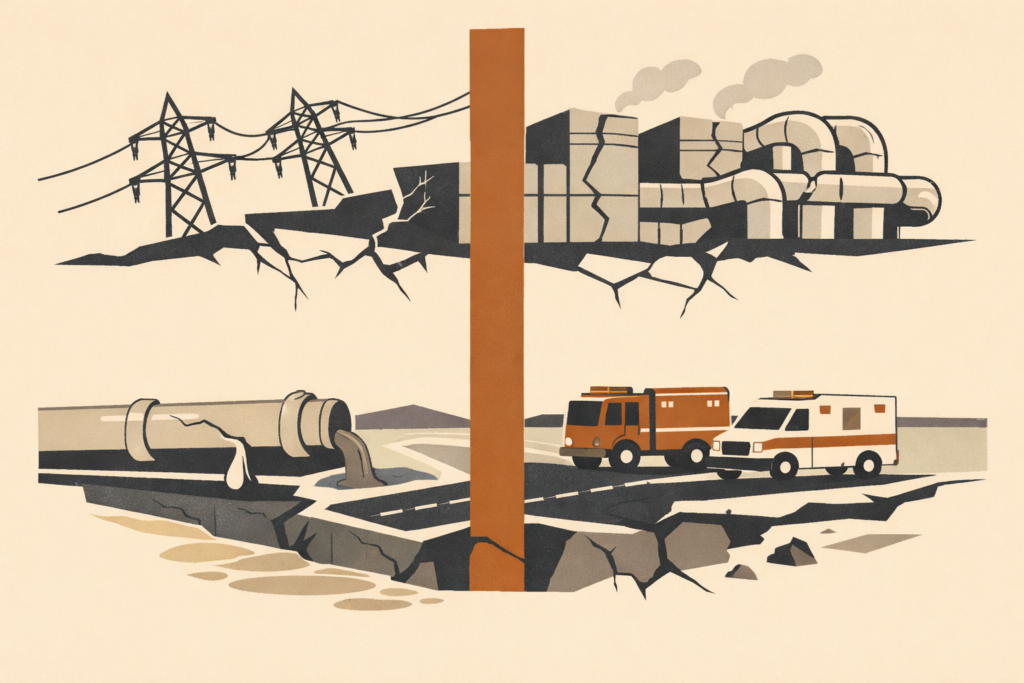
When digital infrastructure fails, costs do not disappear. This post examines who absorbs the financial, environmental, and civic consequences when systems break.

Tech can diversify the room without distributing ownership. This post breaks down why representation does not automatically produce equity, especially for Black Americans.

Tech wealth concentration is accelerating because ownership compounds faster than labor. This post explains why participation grows while wealth pools at the top.

Accountability is the architecture of trust. When expectations are clear and consistently applied, trust becomes structure instead of sentiment.

Financial boundaries are not distance. They are design. Clear money systems protect autonomy, reduce conflict, and turn respect into routine.

Blame shifting after failure does more than redirect criticism. It can move cost toward workers, customers, communities, and budgets with less power to refuse it.
Return without drama is how momentum survives disruption. Progress is restored by resuming quickly and quietly, not by overanalyzing, restarting perfectly, or turning discipline into a performance.
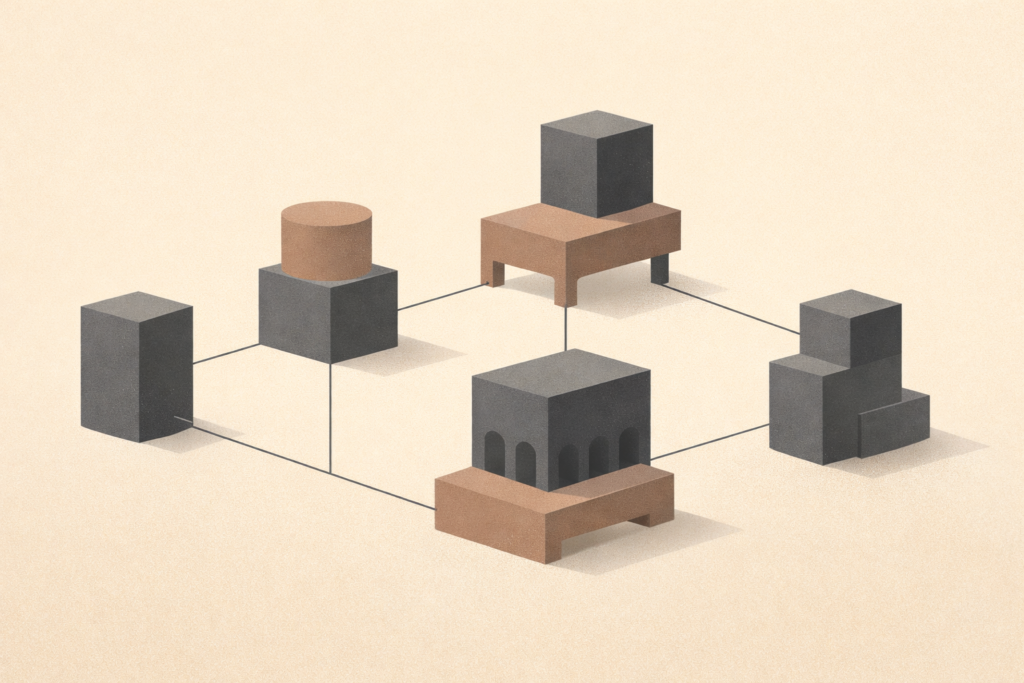
Group economics is often misunderstood as risky or deceptive. This explainer shows how group economics actually works, why it is not a pyramid scheme, and what makes shared ownership models sustainable.

Discernment is not instinct. It is a practice built through attention, pause, and intentional choice. This is where the practice begins.

Private discipline determines public results. What happens when no one is watching shapes what holds under pressure. This Pillar explores how unseen habits become structure, and why consistency without applause is the foundation of reliability, trust, and long-term stability.

Stillness builds clarity when inputs shrink. Today’s Revival is a quiet reset: fewer distractions, cleaner judgment, and one anchored next step.