

Examples of Accountability vs Lack of Accountability
Examples of accountability vs lack of accountability show how behavior either builds trust or creates confusion across work, relationships, and self-discipline.

Examples of accountability vs lack of accountability show how behavior either builds trust or creates confusion across work, relationships, and self-discipline.

Repetition is not importance. Thought loops create urgency that feels real but isn’t. Control begins by breaking the cycle.

Emotional reactivity is not about feeling too much. It is about responding too fast. Control begins in the space between emotion and action.

Attention is not a stream to follow. It is a gate to manage. Internal control begins with deciding what gets access.
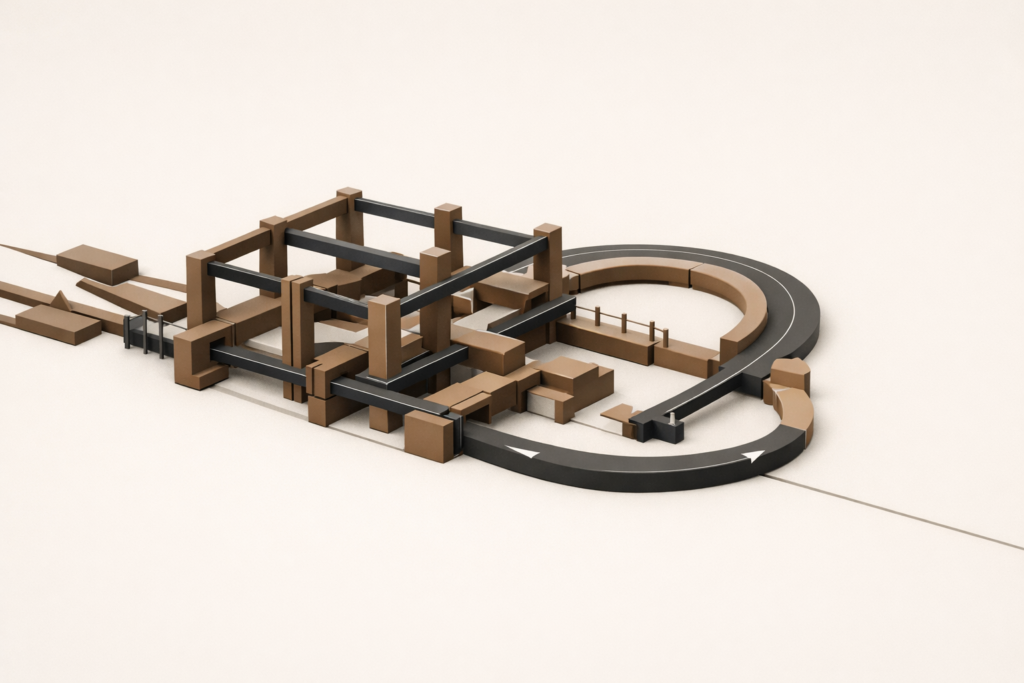
Bad systems do not survive by accident. They are protected by incentives that reward their existence.

Accountability is not theoretical. It is visible in behavior, communication, and follow-through. This post breaks down what accountability looks like in real life.
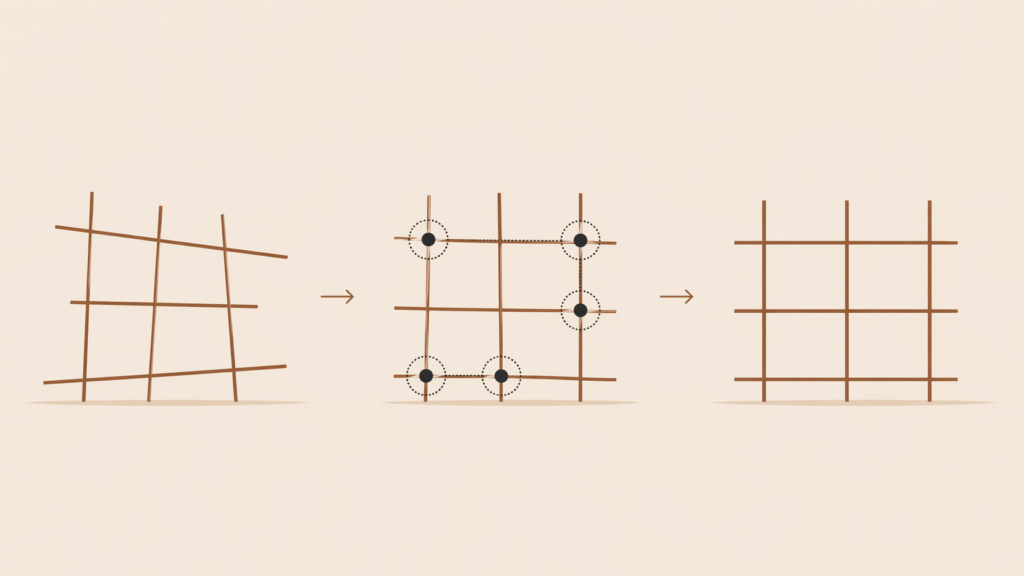
Misalignment slows everything. Correction restores order. Systems do not fail from effort. They fail from structure. Fix the alignment and performance follows.

Why systems fail is not random. Structure, incentives, and design create repeatable breakdowns across major systems.

Uneven education access is not about effort. It is a system design problem where unequal entry points lead to predictable outcomes.

Healthcare system fragmentation costs are driven by layered design, duplication, and misaligned incentives. Structure, not effort, determines outcomes.

When identity drives policy, systems stop optimizing for results and start optimizing for perception. The cost is instability, complexity, and rising failure across every sector.

Small problems rarely stay small when ignored. This Today’s Blueprint shows how naming friction early restores clarity, reduces pressure, and keeps your day moving.