

Slavery Didn’t End. It Changed Form.
Slavery did not end when laws changed. It adapted. This short guide connects historical slavery systems to modern forced labor.
Explores how systems are designed, enforced, and sustained, and how structure can create stability or entrench harm. Examines order, planning, and maintenance as tools that shape power, progress, and lived outcomes over time.
Slavery did not end when laws changed. It adapted. This short guide connects historical slavery systems to modern forced labor.
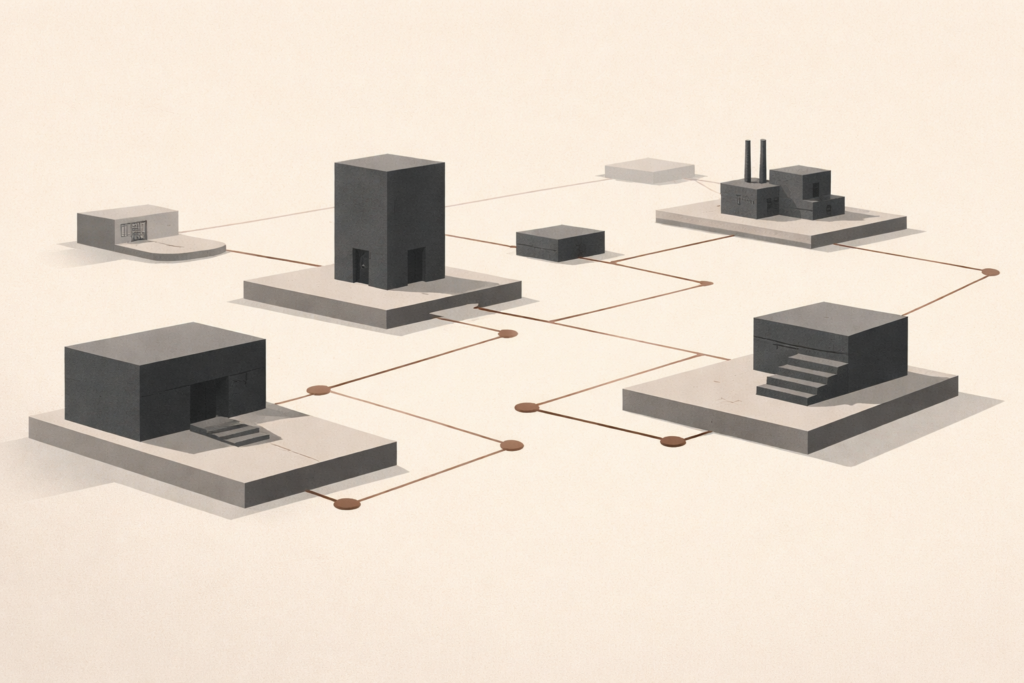
Slavery did not disappear after abolition. It decentralized. Modern forced labor persists because the structure survived even when ownership ended.

Not all slavery systems functioned the same way. Some absorbed outsiders over time. Others were designed to never release them. Structure explains why.
Discipline is the price of open space. Structure reduces friction, protects attention, and turns chaos into order so freedom becomes durable, not accidental.
A structural analysis of slavery across civilizations, comparing systems of forced labor by brutality, mortality, and long-term social impact.

You are never shaped by circumstance alone. You are shaped by the story you choose to tell about it. Two people can walk through the same storm—one breaks and one builds. The shift begins when you stop waiting for rescue and start reclaiming perspective. Ownership turns setbacks into training, not sentences, and restores the freedom circumstance tried to take.