

Most people think slavery is one system. It is not.
Some systems allowed movement. Others locked people into permanent status. That difference determines whether inequality disappears over time or becomes embedded across generations.
This is the difference between open vs closed slavery systems. Without that distinction, most historical comparisons fail before they begin.
Open vs closed slavery systems: what the difference really means
Across eras and regions, slavery systems tend to fall into two structural categories:
- Open systems, where pathways existed for eventual integration into society.
- Closed systems, where bondage was permanent, inherited, and socially irreversible.
This distinction is not about kindness. Instead, it is about whether the system allowed the enslaved to exit the category at all.
Open systems: slavery as absorption
Open systems treated slavery as a transitional status. Captives entered society at the bottom, but the structure allowed movement upward over time.
Examples include:
- Roman urban slavery, where manumission was common and freed individuals could become citizens.
- Kinship-based systems, where captives were gradually absorbed into family structures.
- Military systems, where enslaved individuals could rise to power.
These systems were still coercive. Freedom was not guaranteed. However, the structure did not require permanent exclusion as its organizing principle.
Over time, descendants of enslaved people often merged into the broader population. As a result, the slave category could dissolve.
Closed systems: slavery as permanent exclusion
Closed systems were built differently. They fused legal status, identity, and inheritance into a single structure.
In these systems:
- Status is hereditary
- Exit routes are restricted or eliminated
- Social identity remains fixed across generations
The clearest example is American chattel slavery. This model tied status to race and reinforced it through law and economics. As a result, the system extended beyond formal abolition.
To understand how this connects to broader comparisons, see: Was American Slavery the Worst in History?.
To understand how system design shapes outcomes far beyond labor alone, see: Discipline Before Dollars: How Structure Builds Financial Stability.
Why closed systems produce lasting impact
Closed systems do not just extract labor. They shape long-term outcomes. By tying status to identity, they allow inequality to persist beyond the original system.
Even after legal abolition, patterns remain visible in economic structure, policy, and social perception.
This is why closed systems leave behind:
- Persistent wealth gaps
- Inherited disadvantage
- Enduring stigma
- Political and economic exclusion
Open systems, by contrast, tend to dissolve categories over time. Closed systems preserve them.
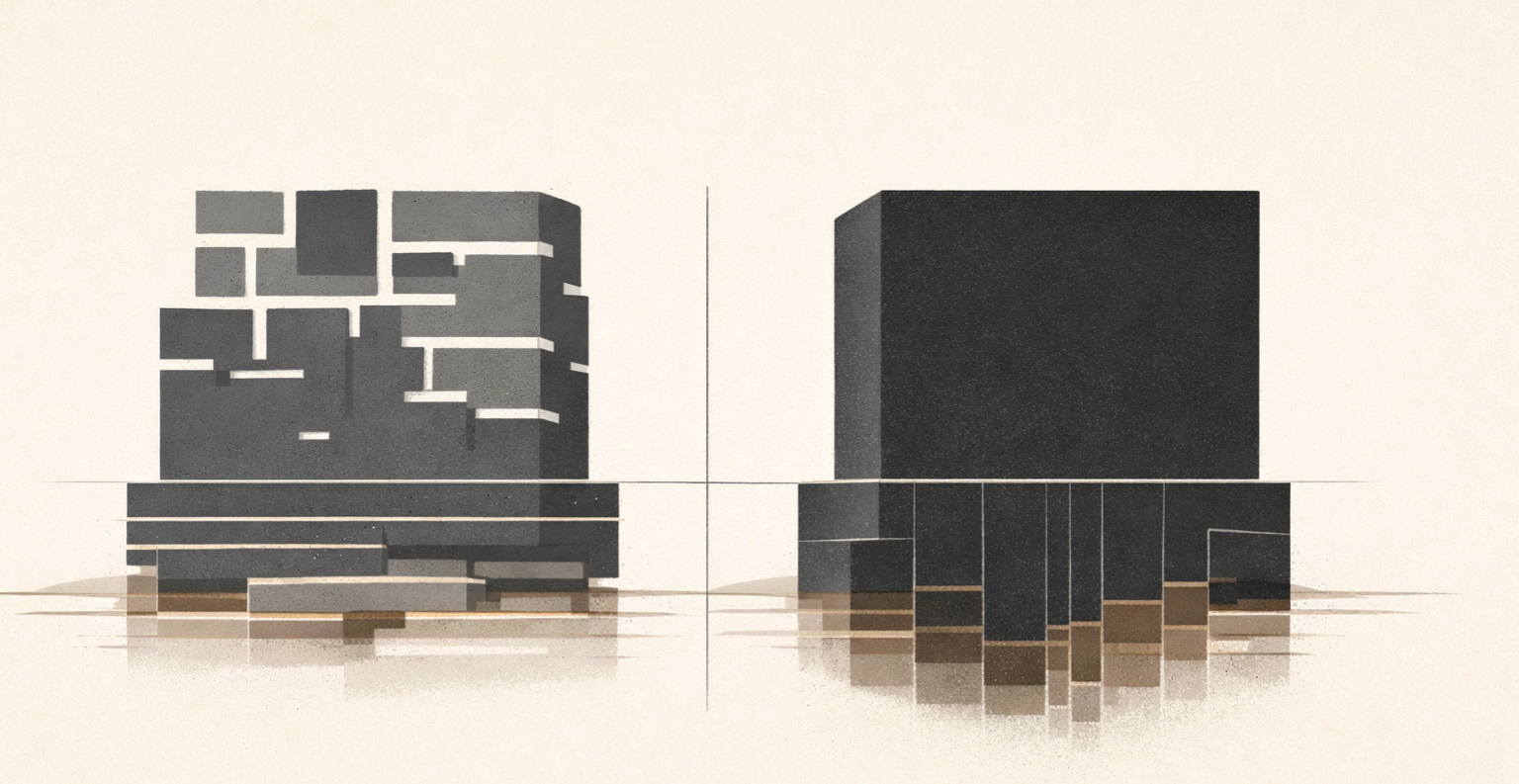
Brutality kills bodies. Structure shapes outcomes.
Some systems were more physically lethal than others. However, the systems that shaped long-term inequality were the ones that survived abolition in structural form.
Structure determines whether harm ends or compounds. Therefore, open vs closed slavery systems cannot be understood through brutality alone. They must be evaluated by what they leave behind.
For a broader comparison of historical systems, see: The Worst Forms of Slavery in History.
Continuity note: systems evolve, they do not vanish
Legal abolition ended specific forms of slavery. However, forced labor persisted through new structures such as debt systems, trafficking, and coercive labor arrangements.
The system did not disappear. Instead, it evolved.
For a global overview, see the International Labour Organization’s data on forced labour.
Frequently asked questions
What is the difference between open and closed slavery systems?
Open systems allow movement, integration, or eventual freedom. Closed systems enforce permanent, inherited status across generations.
Was American slavery an open or closed system?
American slavery functioned as a closed system. It tied status to race, made it hereditary, and reinforced it through law and economic structure.
Why do closed systems have longer impact?
Closed systems reproduce inequality across generations. Even after abolition, the structure continues through social, legal, and economic patterns.
Are all slavery systems the same?
No. Different systems operated under different rules. Understanding those differences is critical to analyzing long-term outcomes.
The Groundwork
Systems are not defined by what they claim. They are defined by what they produce.
Open systems allow movement. Closed systems preserve hierarchy. That difference determines whether inequality fades or compounds over time.
If you understand that, you are no longer reacting to history.
You are reading structure.
Keep building from here:
Was American Slavery the Worst in History?
Discipline Before Dollars: How Structure Builds Financial Stability
