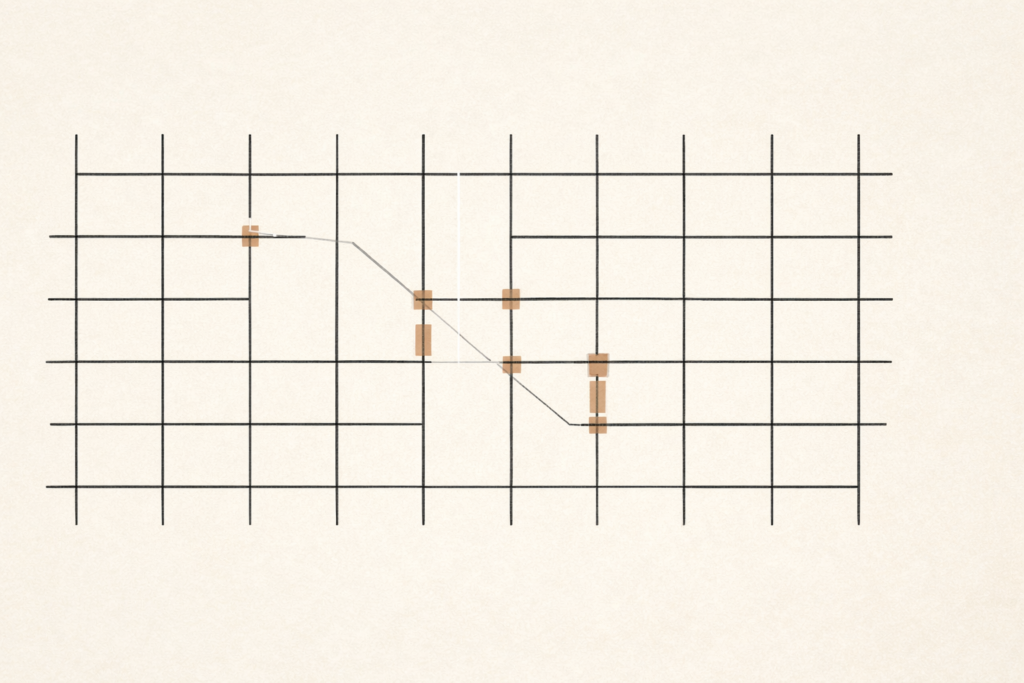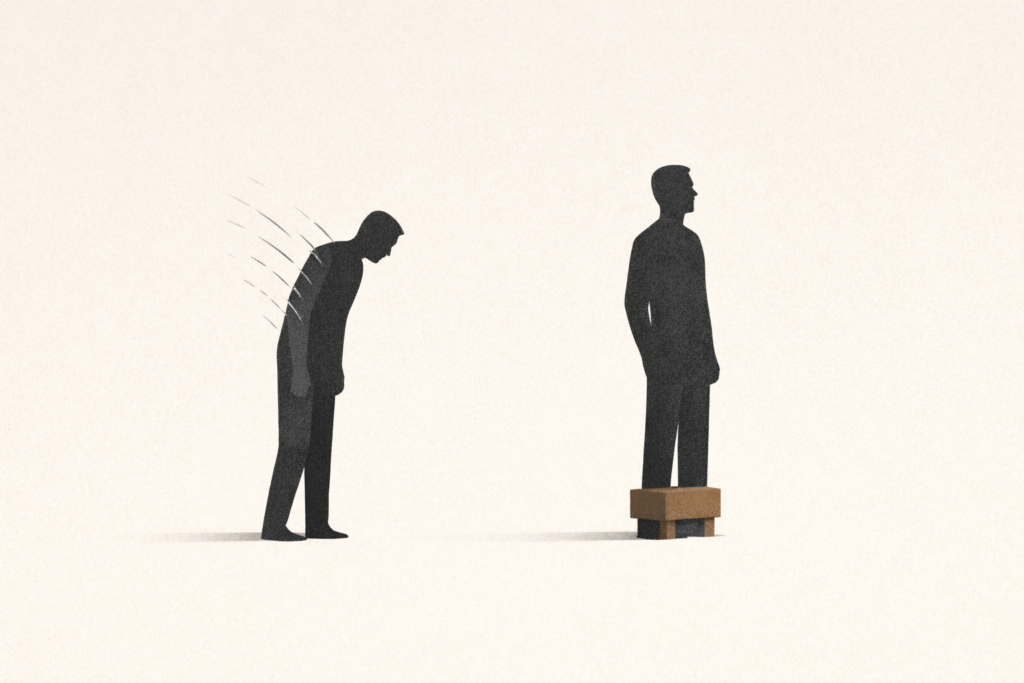
Minimalist editorial illustration of two male silhouettes on a warm sand background, one leaning forward under subtle external pressure symbolizing the fawn response, the other standing grounded with a clay-brown brace representing internal authority.
Family, Gender & Relationships

What Is the Fawn Response? Signs You’re Appeasing Instead of Leading.

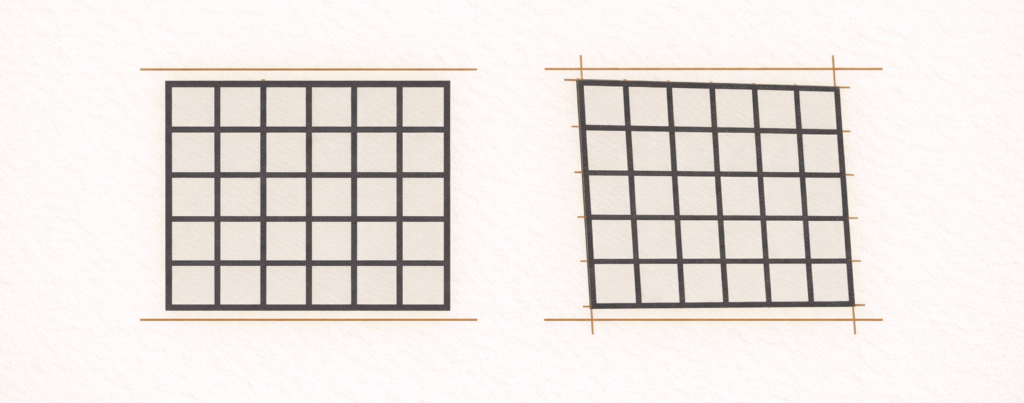
When the need for approval overrides internal clarity, posture bends. The fawn response does not shout or rebel — it leans. It absorbs pressure quietly, mistaking appeasement for peace. But authority does not require collapse. Grounded leadership begins at the base. When internal structure is anchored, external pressure loses leverage. Stability is not loud. It is braced.
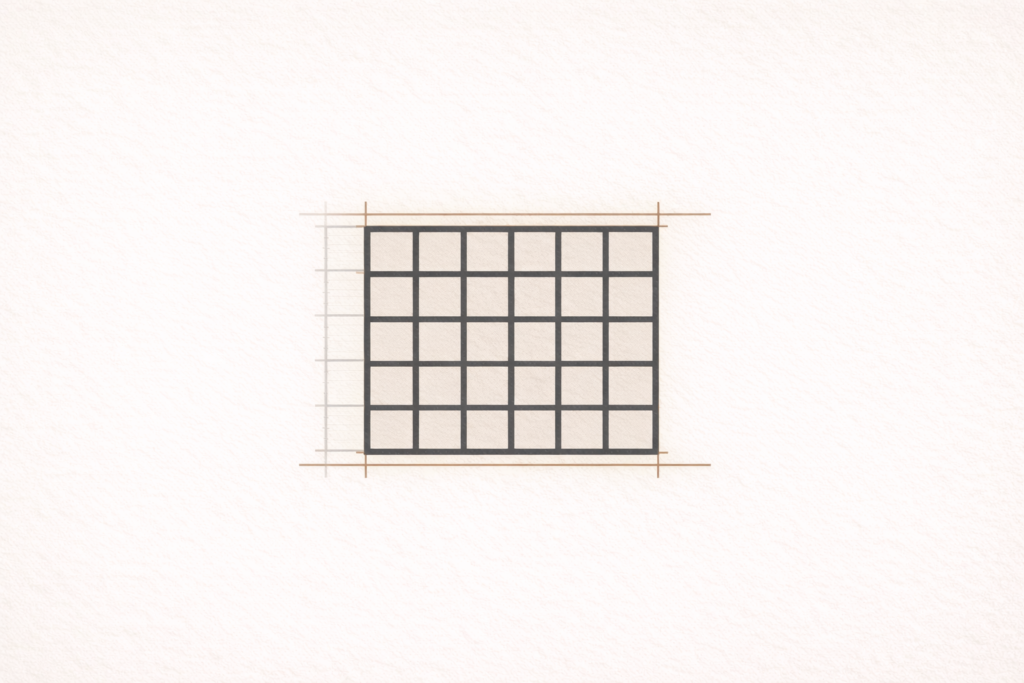
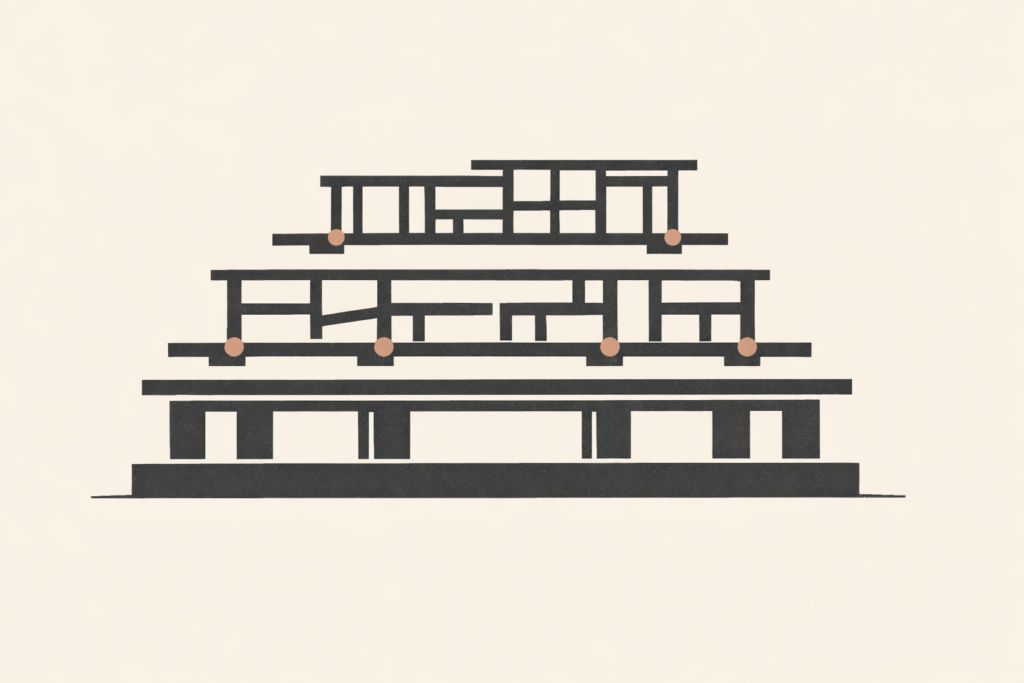
Minimalist architectural illustration showing a plain exterior with a visible internal framework, representing a man’s internal standard as the source of stability and self-governance.
Family, Gender & Relationships

A Man Is His Internal Standard

A man’s life is shaped less by what he demands from the world and more by what he demands from himself. External validation fluctuates. Reputation fades. What remains is the internal standard that governs choices when no one is watching—and that standard determines the kind of legacy a man leaves behind.

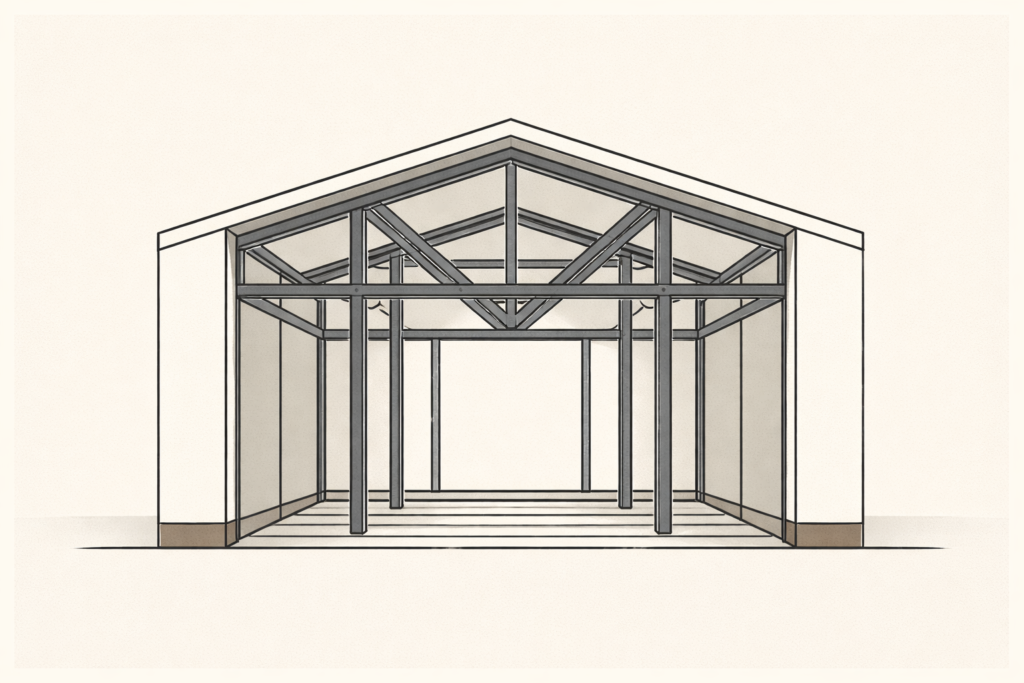
Minimalist civic structure illustration showing two structural pillars representing the historical recognition of Juneteenth within American civic memory.
Civic Power & Policy

Juneteenth: From Community Memory to National Recognition

Juneteenth is more than a federal holiday. It represents a long civic journey from community remembrance to national recognition. For generations Black communities preserved the memory of emancipation through gatherings, readings, and celebration before the country formally acknowledged it. Understanding that history reveals how cultural memory often becomes the foundation of national recognition.

Scroll to Top