Why Good Policy Is Not Enough
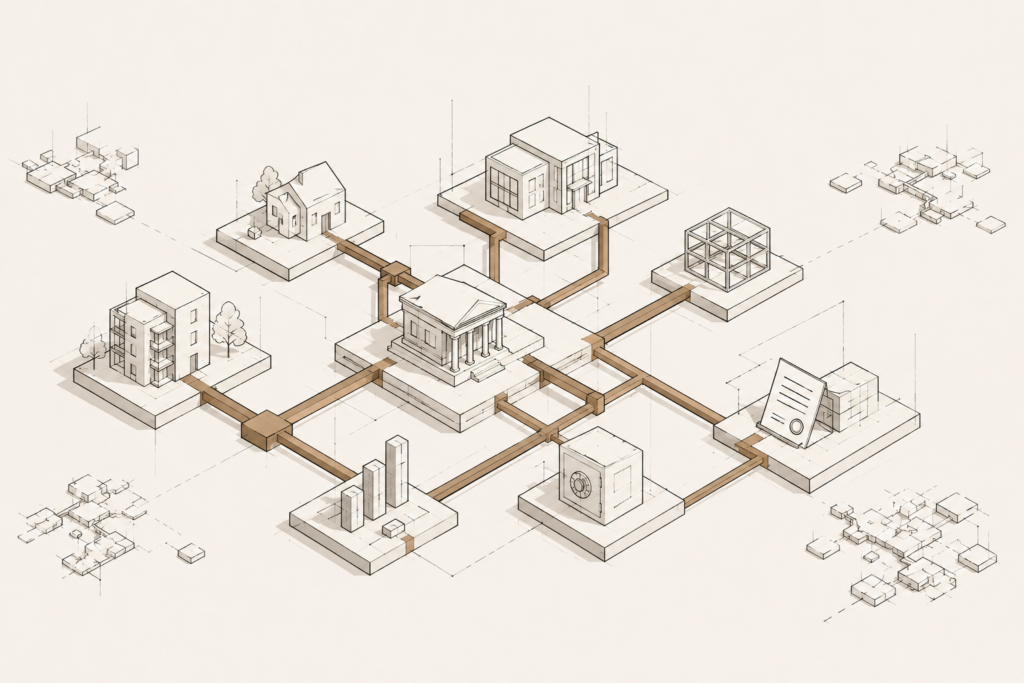
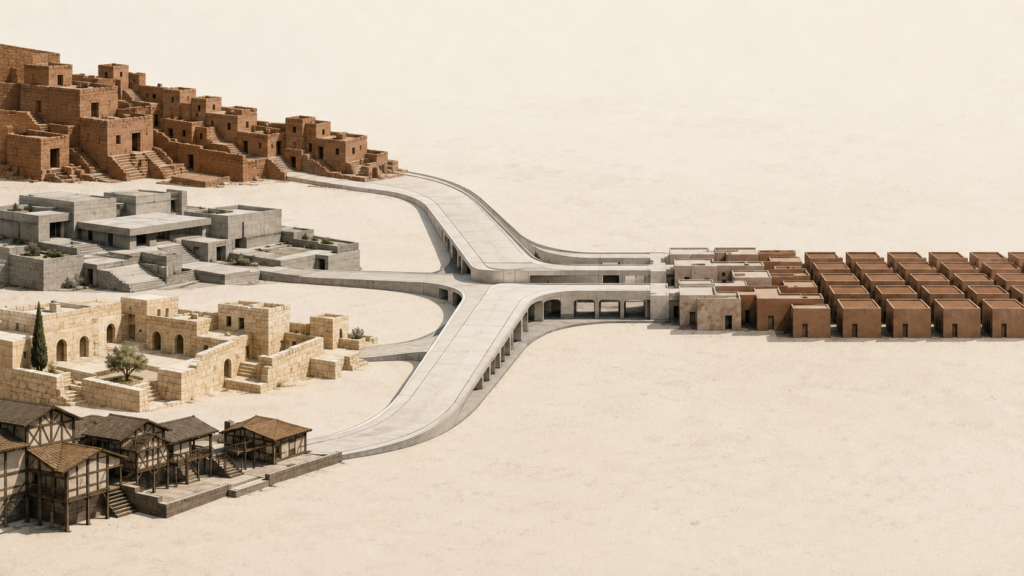
Good intentions do not automatically become good outcomes. This System Update explores why policy implementation, institutional translation, and execution capacity often matter more than agreement.
Burnout does not always come from doing too much. Sometimes it comes from going too long without interruption. Recovery should not be the reward. It should be part of the structure.
Business ownership changes how wealth grows because equity can scale beyond labor alone. For many families, ownership creates leverage that wages rarely produce by themselves.
Legacy becomes real when people, systems, and values continue working after your direct presence is no longer required.
Can trauma be inherited? Modern epigenetics suggests environments can influence how genes are expressed without changing DNA itself. Learn what biological memory is, what the science actually says about trauma, and why systems leave lasting physiological fingerprints.
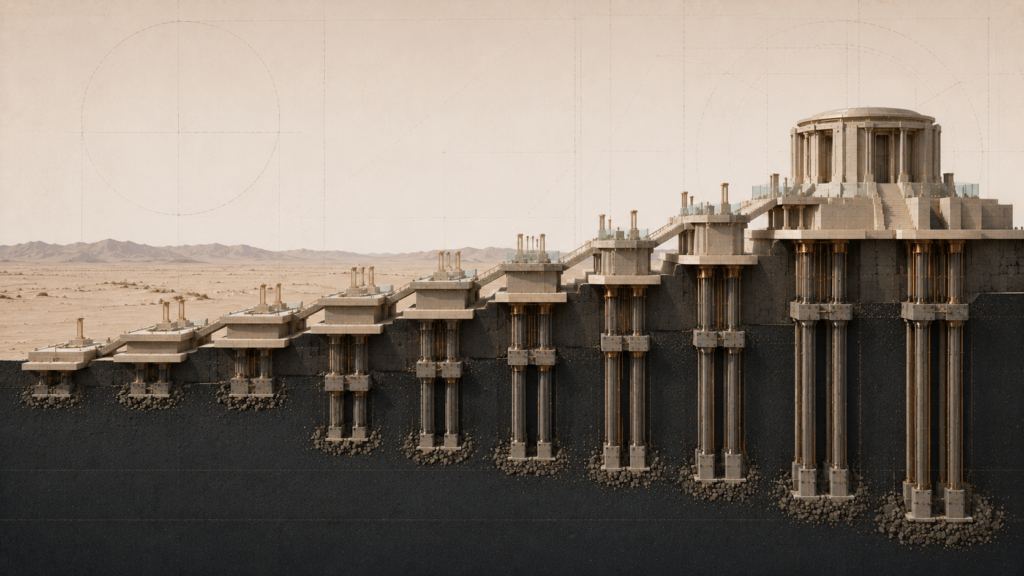
Strong families are not built by luck. They are designed through trust, shared purpose, responsibility, and daily rhythms that create stability across generations. Discover the hidden architecture that helps families endure long after individual moments have passed.
The path becomes easier to hear when it no longer competes with proof, counting, or constant correction.
Do not judge the season too early. Some of the most important work in life becomes visible only after quiet periods of growth.
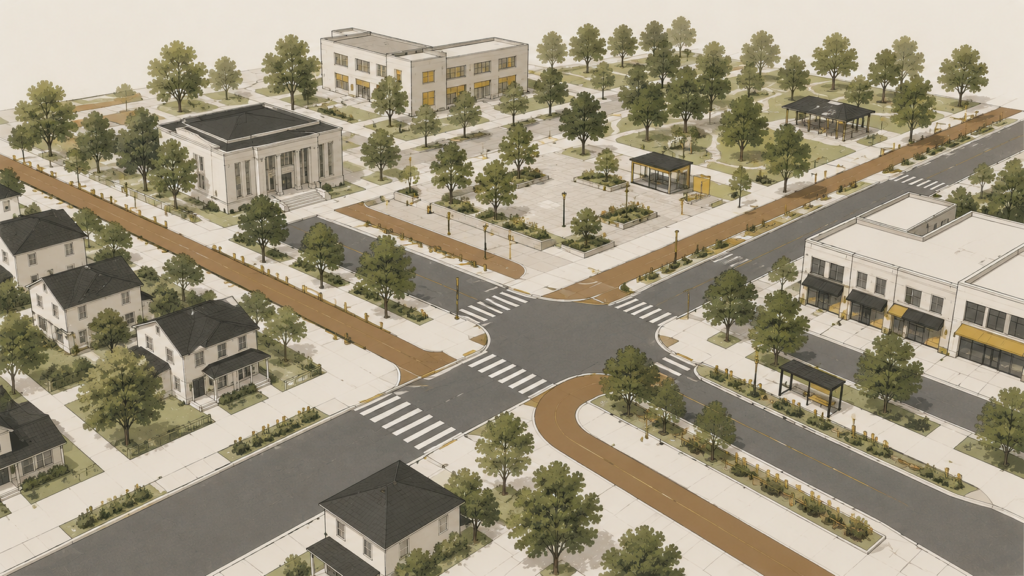
Third places are more than gathering spots. They are the public spaces where trust, belonging, and community take root. Urban Logic explores why these shared places are essential social infrastructure for every thriving city.
Reliable people often become invisible infrastructure long before organizations realize what is happening. This article explores how reliability at work turns into dependency, why invisible labor concentrates, and how strong systems distribute competence before burnout becomes culture.
Strong systems are not sustained by invisible effort forever. This article explores why contribution disappears when people stop seeing participation, maintenance, and responsibility reinforced in shared environments.
Unhealthy relationships are not accidents. They are systems optimized for instability, validation, and emotional reaction instead of structure and stability.