

Silence as Infrastructure Under Power and Price
Silence as infrastructure is not passive. It keeps systems standing by hiding strain and preventing accountability from landing where damage begins.
Silence as infrastructure is not passive. It keeps systems standing by hiding strain and preventing accountability from landing where damage begins.

The Accountability Framework is a four post sequence on structural accountability. It explores care, correction without shame, clear standards, and early warning signs of breakdown. Together, these pieces offer a maintenance plan for relationships, teams, and commitments that are built to last, not just survive crises.

Group economics only lasts when governance is clear. This piece explains the rules, roles, and records that keep shared ownership stable under pressure.
Authority does not require escalation. The strongest authority stabilizes early, acts with restraint, and maintains legitimacy without force.
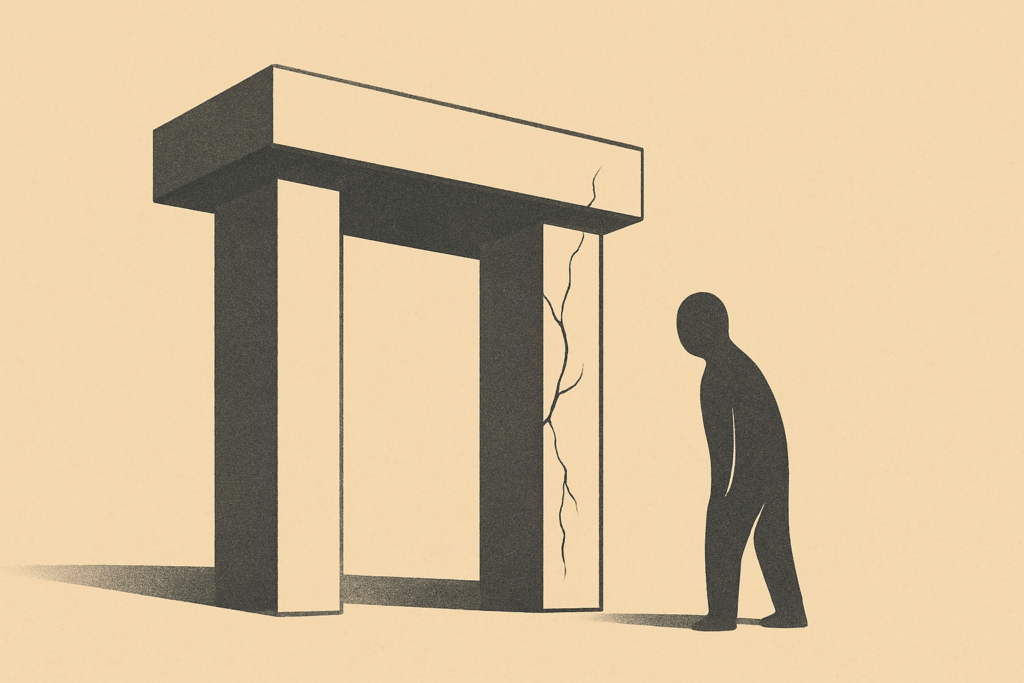
A system rarely collapses without warning. The first signs are small: silence, drift, missed commitments, and quiet workarounds. These subtle shifts reveal where trust is thinning and where structural attention is overdue. Early maintenance protects the long-term strength of any relationship, team, or commitment.

Overthinking imitates discernment but drains clarity. Discernment reflects, then decides. Move, then learn. Action reveals truth faster than analysis does.

Leadership fails most often where obligation is assumed but never defined. People speak about vision, influence, and presence. They talk

Gaming is not the threat. Absence is. This piece reframes the real tension in modern relationships by separating leisure from neglect and showing how presence, priority, and emotional labor actually work together.

Stillness is not the absence of effort. It is the feeling of effort finally being supported.

Scripture for anxiety steadies the mind and restores order. Carry three verses today and use a two-minute practice when worry rises.

The Path discipline after choice is not motivation. It is maintenance. After the decision is made, the work becomes quiet stewardship: repairs, reinforced edges, and repeatable routines that keep drift from returning.
People reject structure because they confuse it with domination. True structure is not control. It is care designed to protect people from chaos, harm, and drift.