
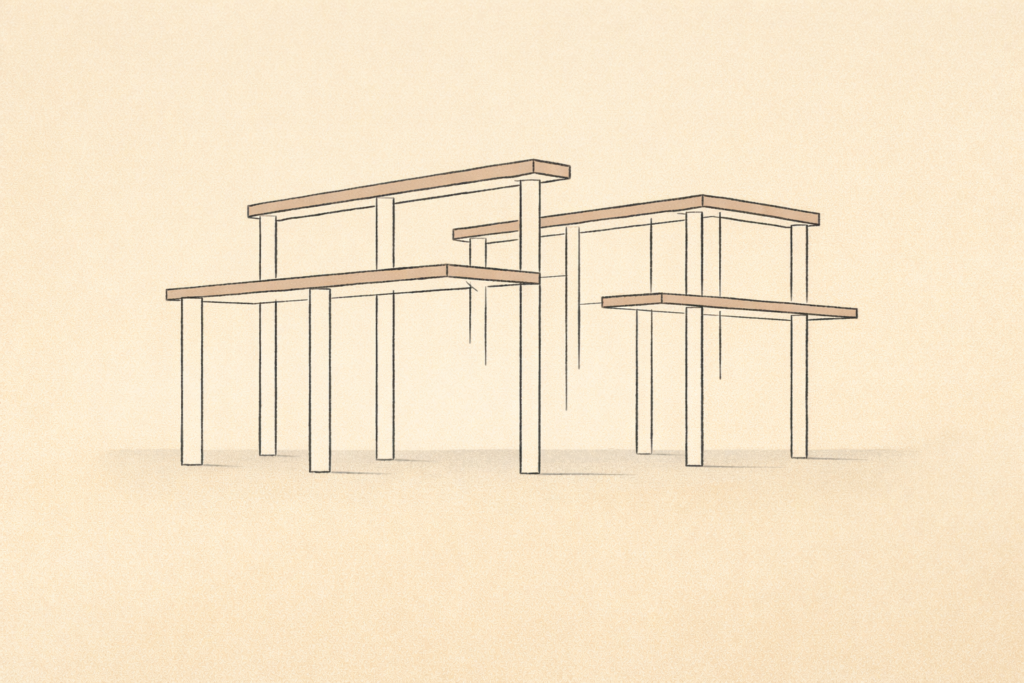
Standards Without Infrastructure Fail Quietly
Standards look like progress. Infrastructure does the work. When institutions enforce rules without building support, failure does not announce itself. It spreads quietly.
Standards look like progress. Infrastructure does the work. When institutions enforce rules without building support, failure does not announce itself. It spreads quietly.

Attention does not become reliable by forcing more focus. It improves when you control what gets access, protect mental margin, and preserve judgment under pressure.

Technology promises efficiency. Discipline provides direction. Without structure, tools magnify disorder instead of progress.
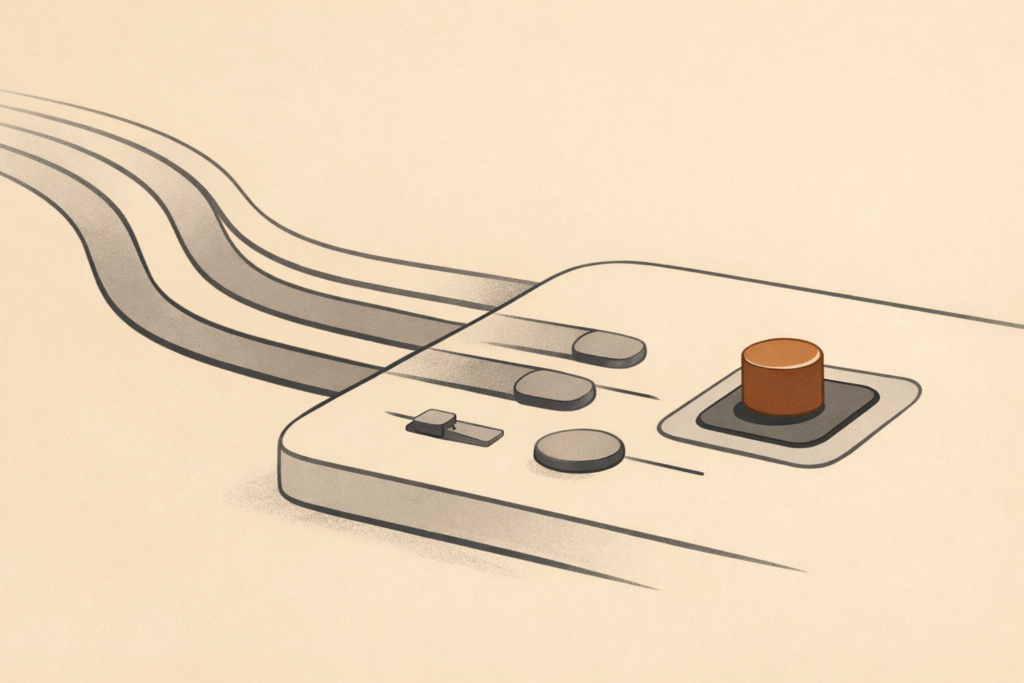
Convenience saves time, but it can quietly remove judgment. This reflection examines the cost of convenience automation and why disciplined human oversight still matters.

A frequently cited gap between Black motherhood and Black fatherhood statistics is often used to assign blame. The data does not support that conclusion. This piece explains what the numbers actually measure, what they distort, and why misreading them leads to false narratives about responsibility.

What we call burnout is often grief in disguise. Not exhaustion from doing too much but mourning a life that no longer fits.

Strength without hiding emotions is not about exposure or performance. It is about presence. Real connection grows when steadiness and honesty exist together, without the need to prove anything.

Skilled labor training protects standards so work survives turnover. Work Hands shows how the next set of hands stays reliable.

Not every woman wants a man chasing the night. Some prefer him at home, controller down, present and predictable. Here’s why.

Early intervention prevents escalation. When no one signals “enough,” responsibility diffuses, silence becomes permission, and momentum replaces judgment.

Gatekeeping can look like protection, standards, or discernment. But when one person becomes the permanent authority over a supposedly shared life, partnership turns into probation. Real households require boundaries, trust, reciprocity, and shared ownership.

Apologies acknowledge harm. Repairs change behavior. When words replace action, relationships stall and emotional labor quietly shifts to one side.