

Slave Consciousness Is a Diagnosis, Not an Identity
Diagnosis explains behavior. It is not identity. Recovery requires capacity, discipline, and structure.
Diagnosis explains behavior. It is not identity. Recovery requires capacity, discipline, and structure.

Group economics works best at a small, human scale. This piece explains why shared ownership succeeds when systems stay clear, contained, and intentionally limited.

How Dr. Solomon Carter Fuller helped define Alzheimer’s as a brain disease and built the framework modern dementia science still stands on.

Conversations often lack closure due to unspoken truths, creating misunderstandings. Silence can shape relationships, leading to confusion, distance, and unmet expectations.

For a single man, gaming is rarely the problem. The real question is what it replaces. This reflection explores when play restores energy and when it delays growth.

Rest does not restore what structure is still asking you to carry. Relief comes when effort finally has support.

Emotional discipline in conflict protects relationships from permanent damage. Use three simple moves to stay steady and repair the moment.

Testing partners does not create safety. It manufactures failure. Trust is built through investigation, clarity, and shared responsibility, not traps designed to confirm fear.
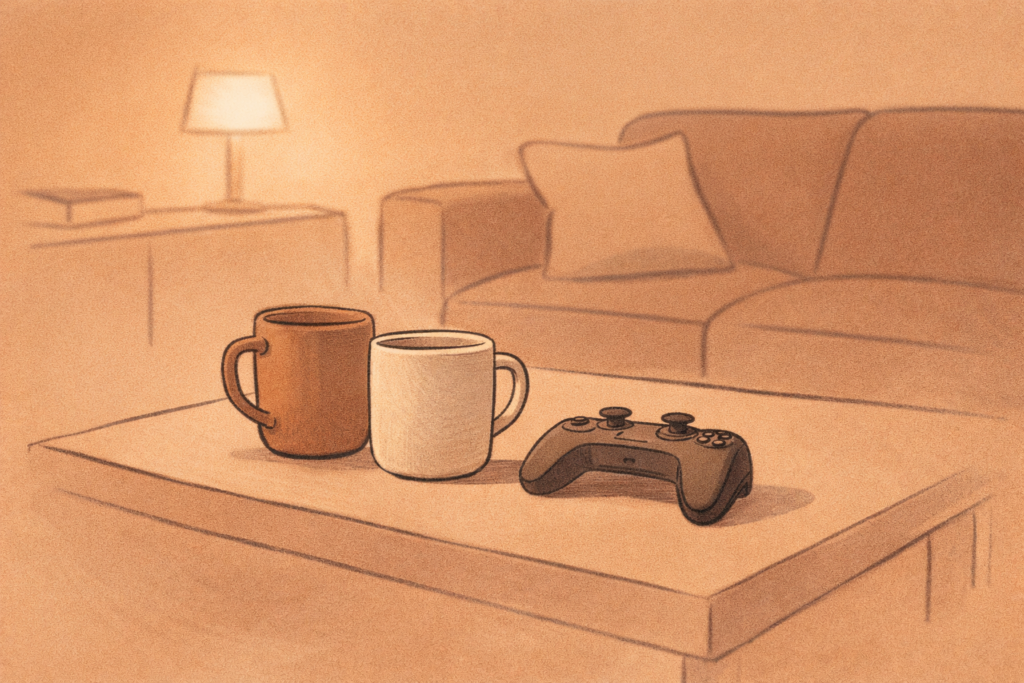
Gaming is not the issue in relationships. Absence is. This piece explains when gaming becomes a red flag and when it is simply structured rest.
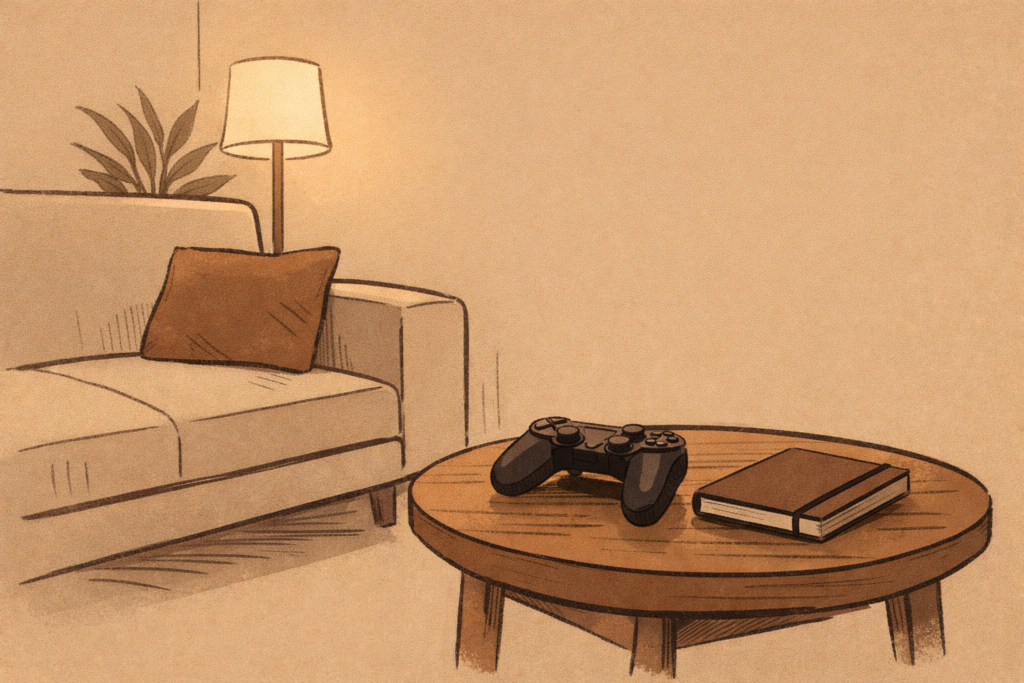
Are video games bad for adult men, or are they misunderstood? This grounded analysis examines gaming, masculinity, relationships, and the difference between healthy play and quiet avoidance.

Charm can create connection, attraction, and momentum. Contribution shows up in what someone consistently helps carry, repair, plan, and sustain when personality alone can no longer do the work.
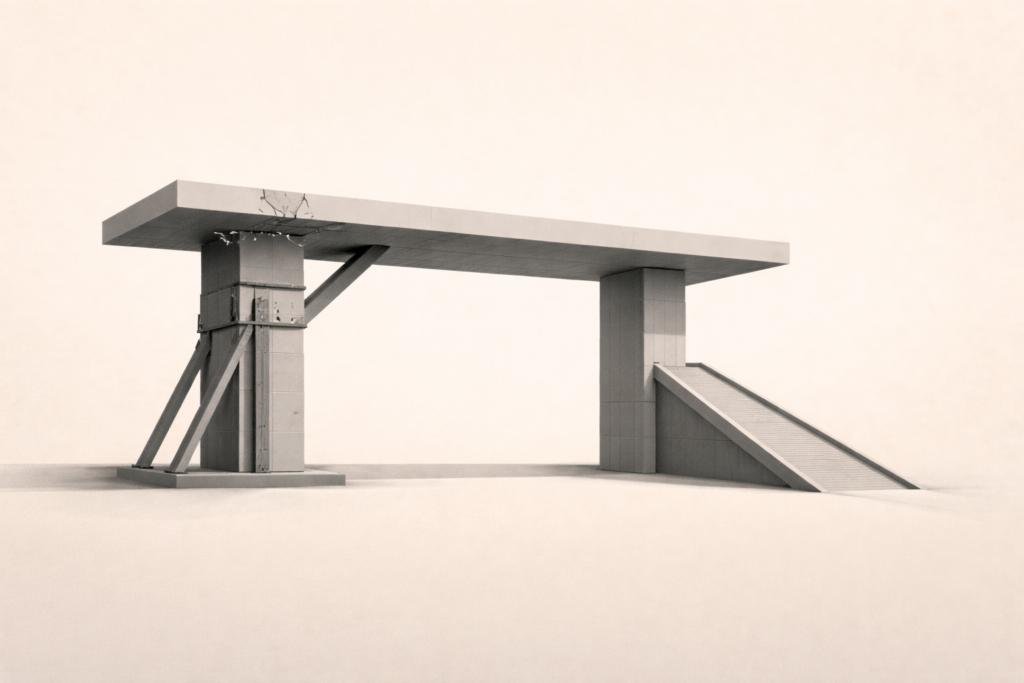
Repair discipline in relationships requires effort and commitment over easy exits, fostering long-term stability despite discomfort and delay.