
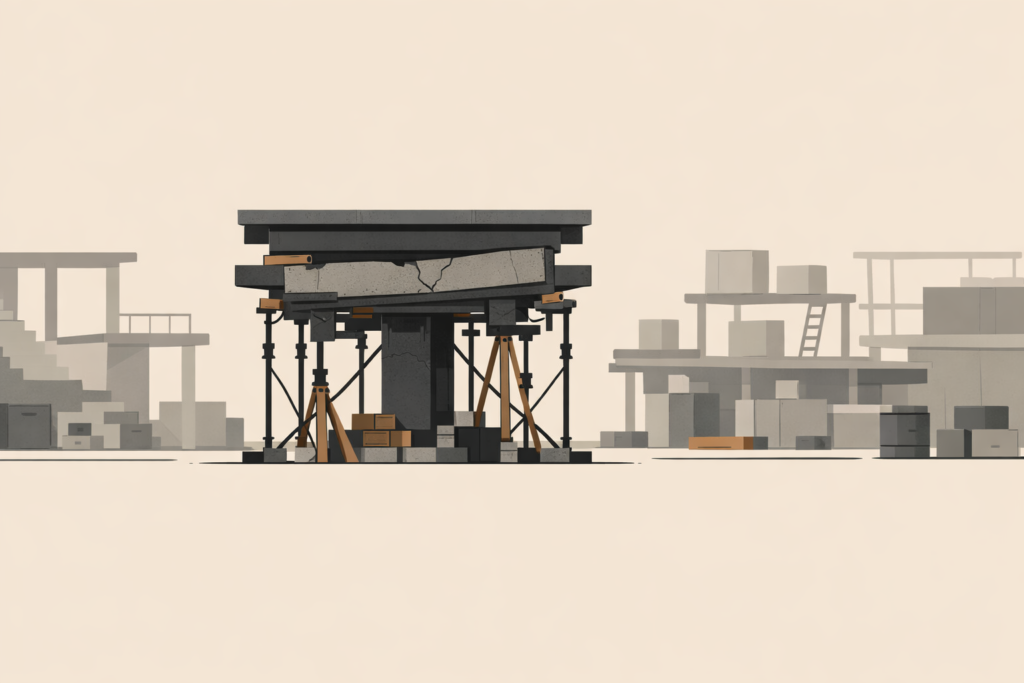
Pillars: How Discipline and Structure Actually Hold a Life Together
Pillars exists to explain what actually holds when motivation fails. This post defines the two forces beneath all outcomes: internal discipline and external structure.
Pillars exists to explain what actually holds when motivation fails. This post defines the two forces beneath all outcomes: internal discipline and external structure.

Structure outperforms motivation every time. Desire flickers, but disciplined frameworks create consistent movement and predictable progress. This Pillars piece explains why systems shape better outcomes than inspiration.

The definition of “emerging markets” has changed. Growth narratives no longer matter as much as manufacturing capacity, political legibility, and the ability to absorb global supply chain pressure. China Plus One is not a hedge. It is a redesign of how the world produces.

Discipline doesn’t begin with a date or a reset. It begins quietly, before momentum arrives, through consistent choices made without ceremony, audience, or permission.

Structure is not control. It is mercy applied early. Systems protect decisions, reduce costly mistakes, and stabilize long-term outcomes.
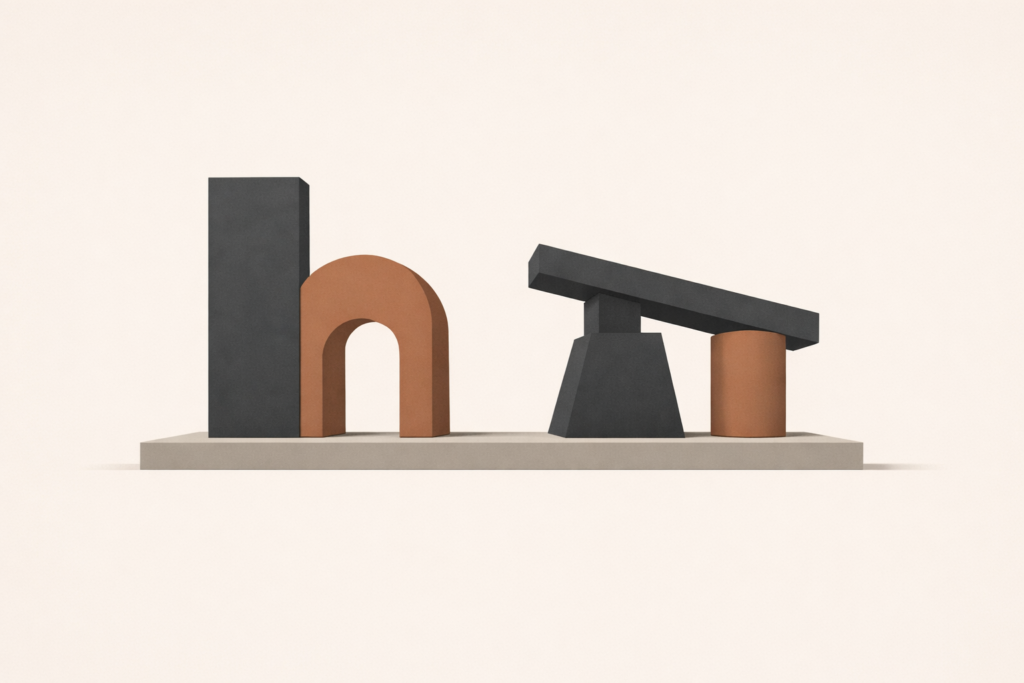
Modern relationship conflict is not emotional failure. It is structural confusion—where equal value is mistaken for identical function and responsibility goes undefined.

Identity as armor in dating is what happens when “strength” stops being something you practice and turns into something you

Holding the center at home is the quiet practice of keeping one space steady, even when the rest of life shifts.
You think effort alone moves things forward.
But misalignment is what keeps results inconsistent.
Consistency turns routine into belief. Today’s Blueprint invites quiet faith in repeated effort—showing up, keeping promises, and honoring progress without applause. What you return to daily becomes the foundation that holds everything else.

Distortion changes proportion before it changes reality. Learn how internal distortion magnifies some signals, minimizes others, and reshapes perception long before behavior begins to change.

A disciplined life is built by lowering the friction of good decisions and raising the cost of bad ones. Decision hygiene makes stability the default.