

Future Literacy: Why the Ability to Think Ahead Is Now a Basic Skill
Future literacy is the discipline of thinking ahead without prediction. It builds resilience by preparing decisions to survive uncertainty, not certainty.
Future literacy is the discipline of thinking ahead without prediction. It builds resilience by preparing decisions to survive uncertainty, not certainty.

Health is not about comfort or motivation. It is about governance. When the body and mind run on systems instead of moods, energy becomes reliable and pressure stops breaking the structure.
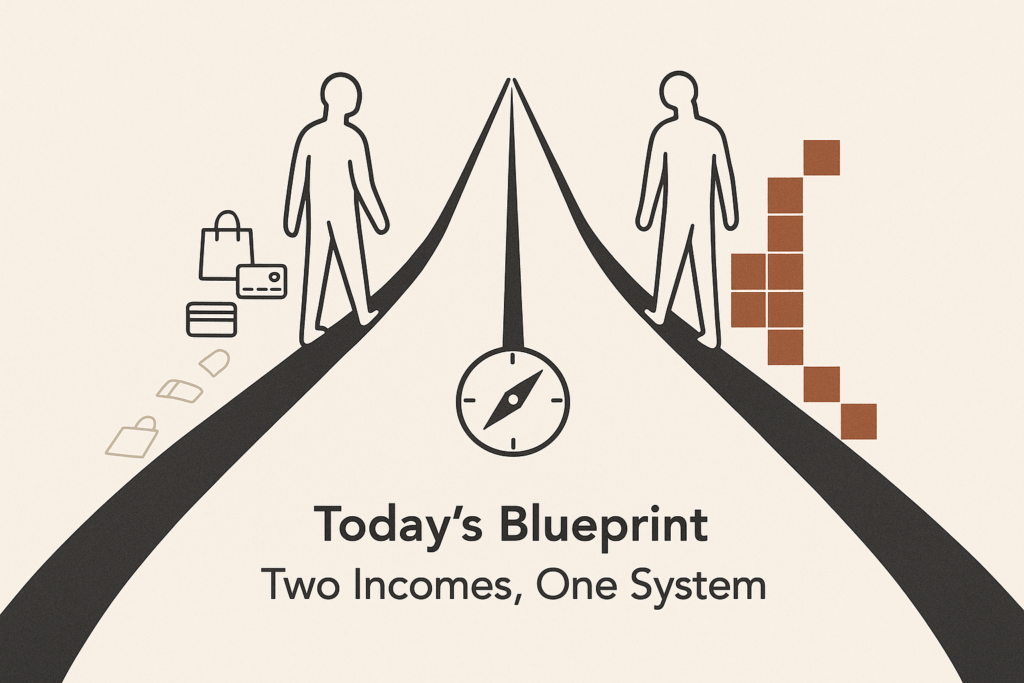
Two incomes one system is the quiet formula behind long term stability. Most households enjoy the speed of two incomes but lack the structure to direct that momentum.

Alice H. Parker inventor of the 1919 gas furnace blueprint reshaped how heat moves through a home. Her work created the quiet architecture behind modern HVAC.

Pentagon NFL patriotism refers to the period when taxpayer-funded marketing dollars supported patriotic displays at NFL games. This post explains why the Department of Defense paid for those ceremonies, what changed after a Senate investigation, and why the rituals continued even after the funding stopped.

Economic accountability begins with outcomes, not performance. This entry examines how comparison, tradeoffs, and measured results reveal what narratives often conceal.

Costs rarely disappear. When power protects itself, the burden shifts quietly to somewhere else.

DINK wealth inequality doesn’t come from income; it comes from structure. Two incomes compound in opposite directions depending on discipline, architecture, and long-term posture.
People think action creates momentum.
But restraint is what prevents wasted energy.

Morning arrives without asking for correction. The morning without repair begins quietly, before judgment has time to arrive. Waking Without

DINK wealth velocity is not automatic. Two incomes create speed only when a household knows how to convert margin into momentum. Structure is the accelerator.

Policy is parenting at scale. When systems penalize progress through benefit cliffs and outdated rules, families do not fail. They are structured to struggle. Stability begins when policy is designed to support growth, not interrupt it.