

Where Empathy Ends and Excuses Begin
Understanding explains behavior, but it does not complete the work. This reflection examines the quiet line between empathy and responsibility. And what happens when we pretend it isn’t there.
Understanding explains behavior, but it does not complete the work. This reflection examines the quiet line between empathy and responsibility. And what happens when we pretend it isn’t there.

The economy can be up while people are down. Understanding that gap is the first step toward building stability that actually holds

Skilled labor discipline is built through preparation, repetition, and respect for materials that do not negotiate. The Work Hands series opens with work that holds under pressure.

Community organizations often fail post-five years due to structural deficiencies, despite committed leadership and sound missions.
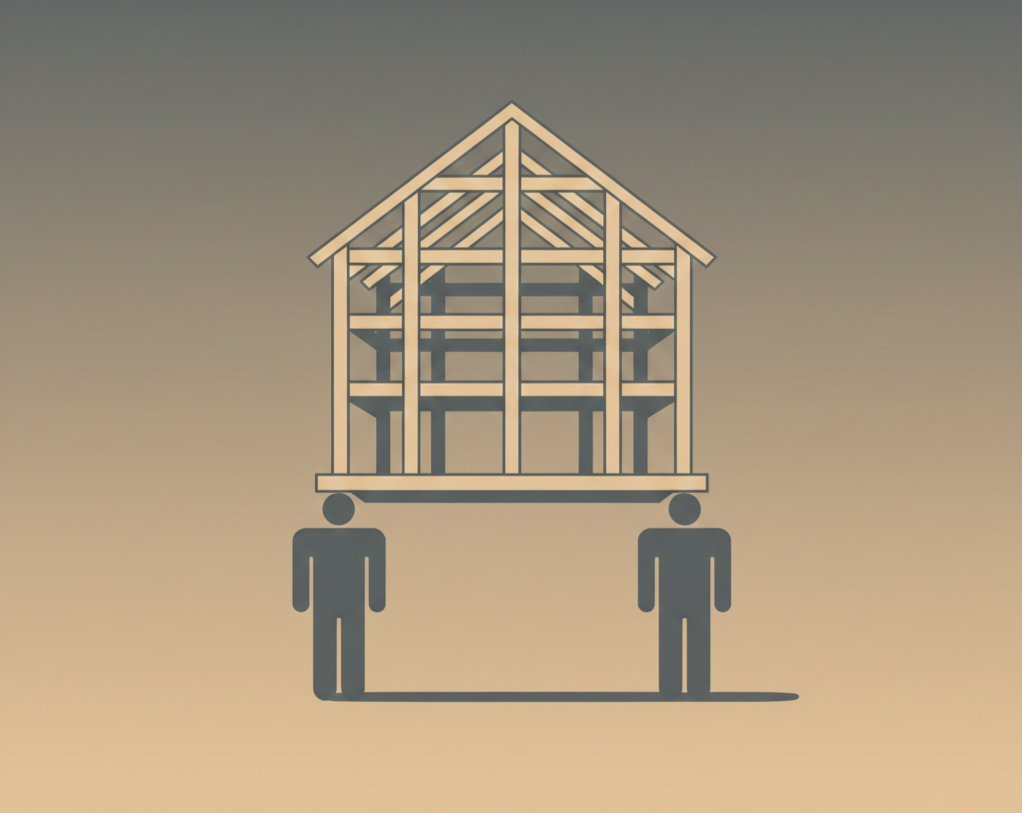
Trust is not a feeling. It is an architecture. Accountability is the architecture of trust. It is the structure that
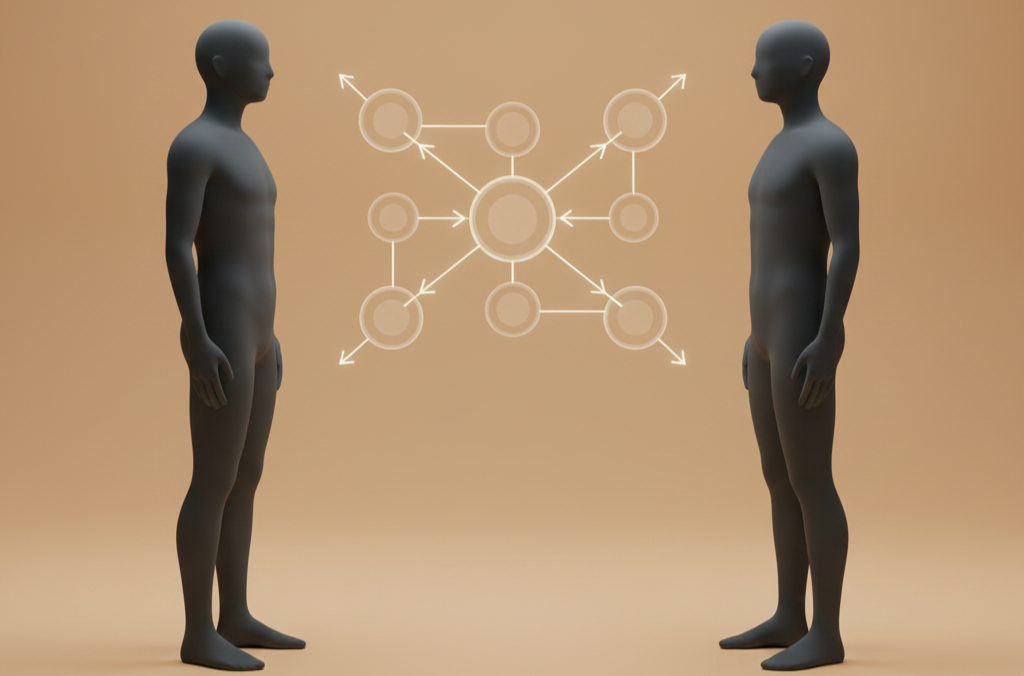
Future Literacy strengthens capability in a world shaped by rapid change. These seven skills prepare every builder for complexity and long-term clarity.

Self-discipline feels hard because most people rely on motivation instead of structure. This piece explains why willpower fails and what actually makes discipline stick over time.

Discipline vs motivation is not a mindset debate. It is a structural one. Motivation fades when conditions change. Discipline holds because it is built, not felt.
Soft life aesthetics sell calm, but real ease is built with structure. Comfort without systems collapses fast.

Correlation shows patterns, not causes. This Rational Field entry explains why confusing the two undermines disciplined reasoning.
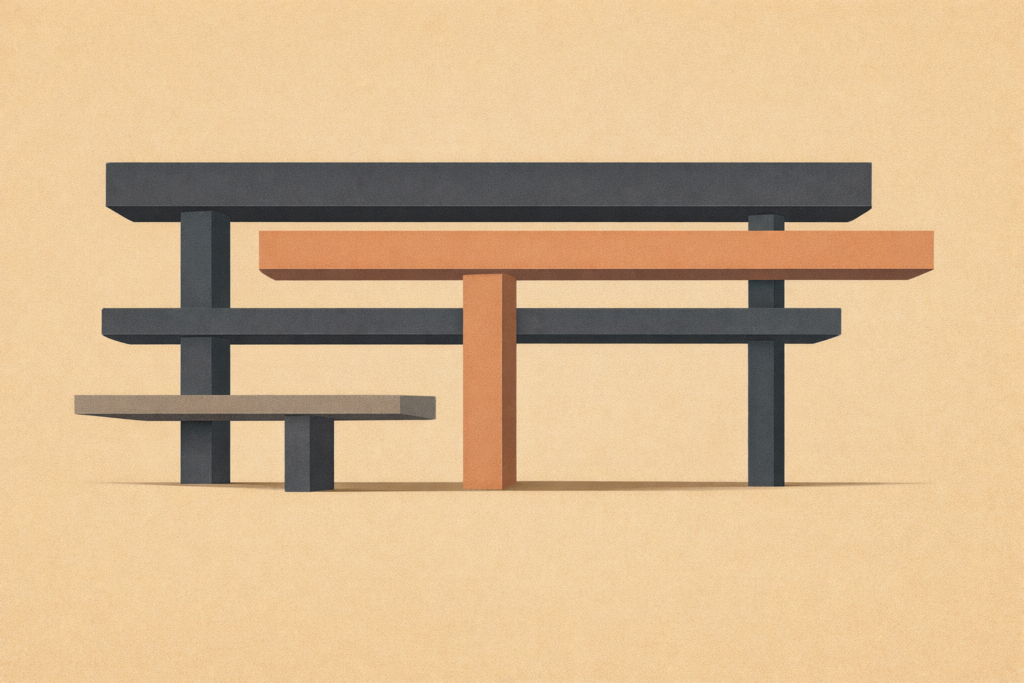
Provision as structure is often misunderstood as effort. It is also often misunderstood as income alone. Yet provision is not

Discernment is the ability to decide what matters, what does not, and what comes next. It turns judgment into clarity and protects direction when urgency tries to take over.