
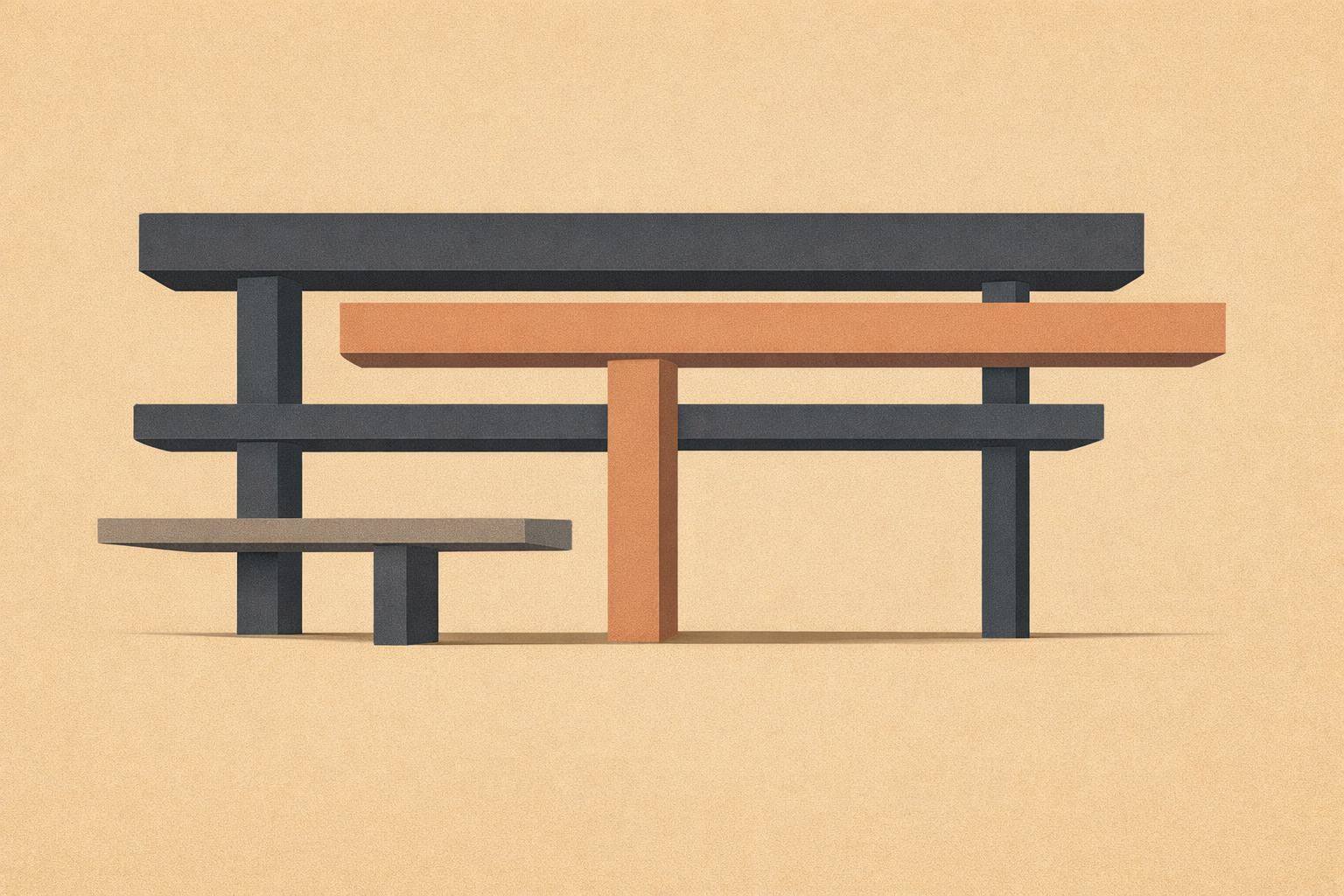
Provision as structure is often mistaken for effort.
Many reduce it to income. Others measure it by sacrifice. However, provision is neither a paycheck nor a performance. It is the system that keeps life stable when pressure increases.
Effort can carry a moment. Structure carries a life.
Real provision is structural.
What Provision Is Not
Provision is not exhaustion. It is not silent suffering. It is not one person holding everything together through force of will.
That model looks strong. In reality, it is fragile. It depends on one person continuing to produce without interruption. Once that person slows down, everything starts to break.
Fatigue does not prove care. Burnout does not signal leadership. Over time, sacrifice without structure creates quiet resentment.
That is not provision. That is delayed failure.
What Structure Actually Provides
Structure distributes weight.
More importantly, it removes guesswork. Responsibilities become clear. Decisions happen earlier. Pressure gets absorbed before it turns into crisis.
Instead of asking one person to carry everything, structure ensures everything has a place to be carried.
Because of this, rest becomes possible without risk.
Structure turns care into something repeatable, not conditional.
As a result, provision begins to look different. It becomes foresight instead of fatigue. Systems replace strain. Clarity replaces quiet resentment.
The Real-World Test
Provision must be measured by outcomes, not optics.
Look at the signals. Calm households. Predictable routines. Bills handled before urgency. Conversations that happen before conflict escalates.
These outcomes do not happen by accident. Structure creates them.
When structure exists, tension does not disappear. Instead, people address it earlier. Expectations stay visible. Tradeoffs get named.
Because of this, relationships hold. The system absorbs pressure before people have to.
Example 1 — The Financial System
Consider two households with the same income.
The first relies on effort. Bills get paid when someone remembers. Savings happen when something is left over. Stress spikes at the end of every month.
The second relies on structure. Money moves automatically. Expenses are mapped. Savings happen first, not last.
Both households work. Only one remains stable under pressure.
The difference is not income. The difference is design.
Example 2 — The Relationship System
Now consider a relationship.
In one version, roles stay unspoken. Expectations shift depending on mood. One person quietly carries more while the other assumes everything is fine.
Eventually, frustration builds. Small issues turn into large arguments.
In the structured version, expectations are clear. Responsibilities are discussed. Adjustments happen early, not after damage is done.
The relationship still faces stress. However, it does not collapse under it.
Again, the difference is structure.
Provision Without Resentment
When provision depends on sacrifice alone, resentment builds.
Effort becomes a scoreboard. People start tracking who has done more. Over time, partnership turns into negotiation.
Structure prevents that drift.
It removes ambiguity. It defines roles. It creates shared understanding. Because of this, responsibility becomes clear instead of contested.
Responsibility does not disappear. It sharpens.
The Groundwork
The question must change.
Instead of asking, “Who is carrying the most?” ask, “What holds when no one is overextending?”
Instead of asking, “Who is strong enough?” ask, “What is designed well enough?”
When provision becomes structural, it no longer depends on heroics. It becomes repeatable. It becomes sustainable. It becomes shareable.
This is not a rejection of responsibility. It is its highest form.
Sometimes sacrifice is required. However, structure is required for life.
Provision that lasts is not proven by exhaustion. It is proven by what remains stable when exhaustion arrives.

This principle is part of the Pillars collection — foundational ideas that define how stability is built, sustained, and shared. Explore more to strengthen what holds.