
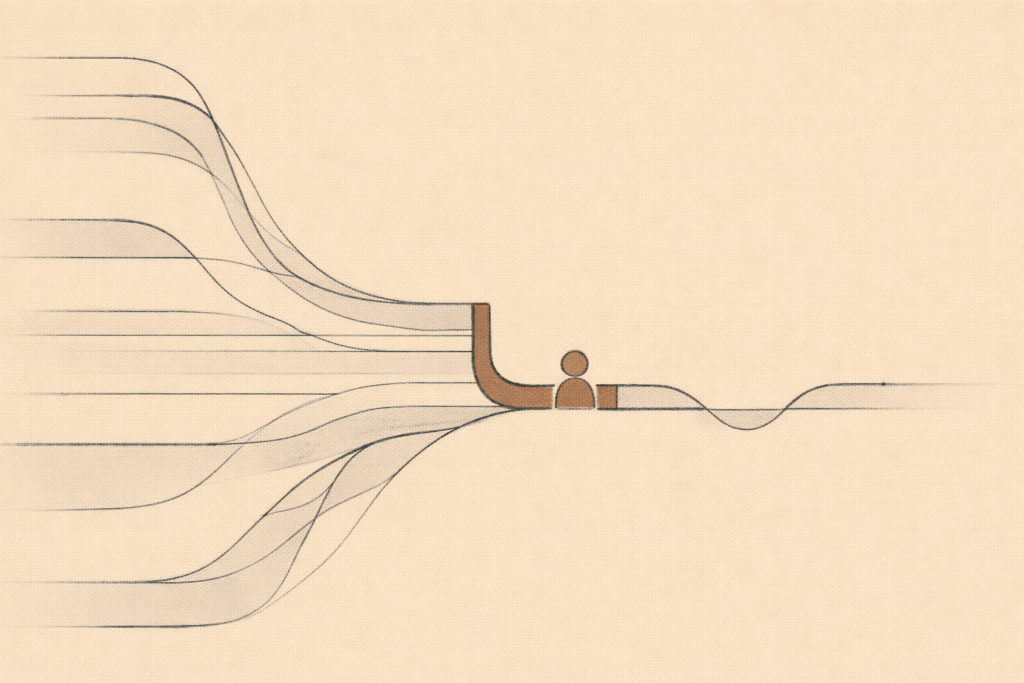
Tech as Discipline: Keeping Humans in the Loop
Tech as discipline is the practice of keeping humans in the loop. Automation should reduce effort, not remove judgment, responsibility, or authorship.
The world is moving faster than institutions, and capability has become the new credential.
Education & Skills is where tools, frameworks, and systems thinking come together to build
clarity, structure, and real-world adaptability. This is not about degrees. It is about the
skills that make you steady under pressure, able to interpret change early, and capable of
making disciplined moves in shifting conditions.
This category includes the full Future Literacy series, clarity models, bandwidth audits,
structural thinking, capability tiers, and practical systems that help you operate with
intelligence and calm even when the environment accelerates. These are the mental structures
that support stability and upward capability at scale.
Future Literacy is a ten-part series on capability in a fast world. It focuses on the skills
that help you think clearly under pressure, protect your bandwidth, read patterns early, and
design a daily structure that holds up when conditions keep shifting.
Inside the series you will find work on clarity, decision hygiene, systems thinking,
pattern recognition, and a daily frame that makes all of it usable in real life.
Explore the full Future Literacy series
Pattern Recognition · Note
Pattern recognition is the skill of noticing what repeats, what changes, and how those
shifts tend to play out over time.
Paired with systems thinking, it turns random events into readable signals. That is how
Future Literacy moves from theory into daily decisions.
Receipts
Pew Research Center
Household, work, and capability trends.
Harvard Business Review
Clarity, cognitive load, and decision frameworks.
OECD Skills Outlook
Global skill requirements and shifting capability landscapes.
Tech as discipline is the practice of keeping humans in the loop. Automation should reduce effort, not remove judgment, responsibility, or authorship.

Recovery fails when it relies on relief instead of design.
Disciplined minds do not bounce back by escaping pressure. They recover by building margin into the system so stress no longer consumes everything at once.
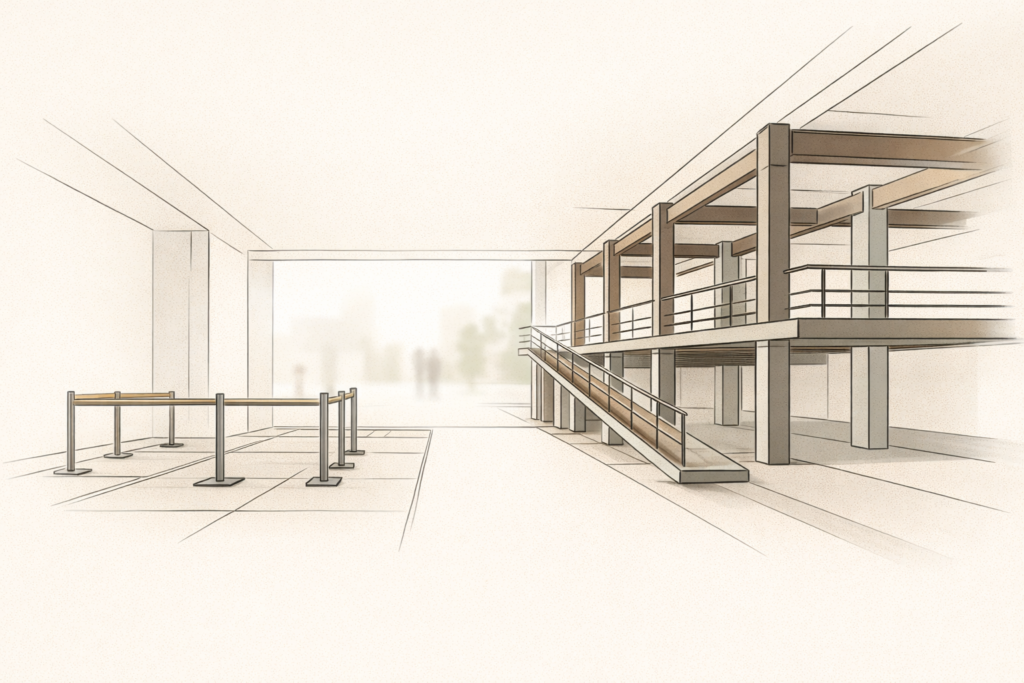
Relationship skills should be taught before dating begins. When kids learn boundaries, repair, empathy, and reciprocity early, love stops being luck and starts being competence.

Shared accountability emerges when responsibility is diffused across systems. When no one owns decisions, the costs are paid collectively.
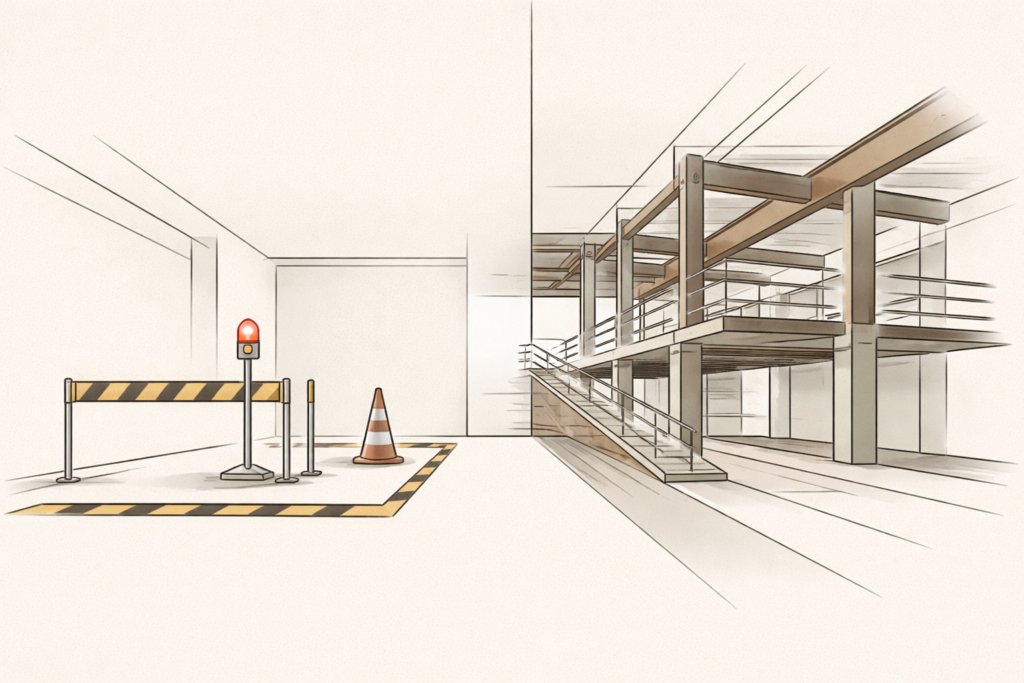
Warnings help children notice danger. Preparation teaches them how to move through it. The difference determines whether kids grow reactive—or capable.

Attention under stress does not fail at random. It breaks at the weakest part of the system. What feels like loss of control is often a design limit being reached, not a personal failure.
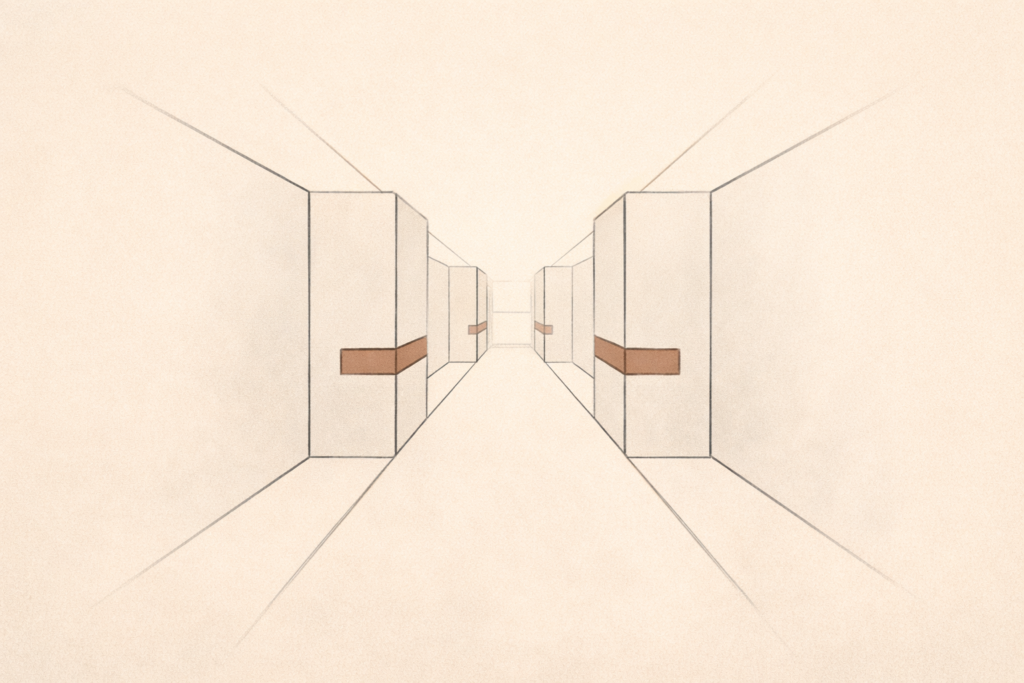
Friction is not failure. When designed intentionally, it protects judgment, pacing, and responsibility inside complex systems.
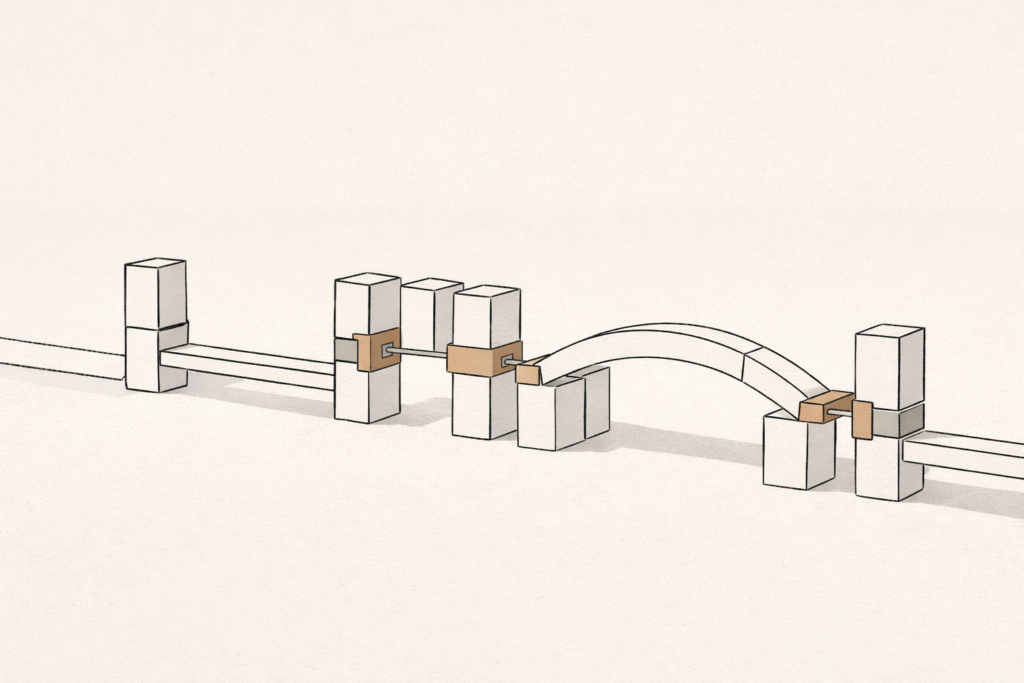
Many kids learn rules, grades, and achievement. Fewer learn repair, reciprocity, and emotional steadiness. Love is a skill. We should teach it like one.

Automation without accountability turns efficiency into authority. When systems decide without ownership, responsibility quietly disappears.

Attention is not something you find.
It is something you control.
Mind as discipline treats attention as a gate. When that gate is unmanaged, everything enters. When it is governed, clarity follows without force.
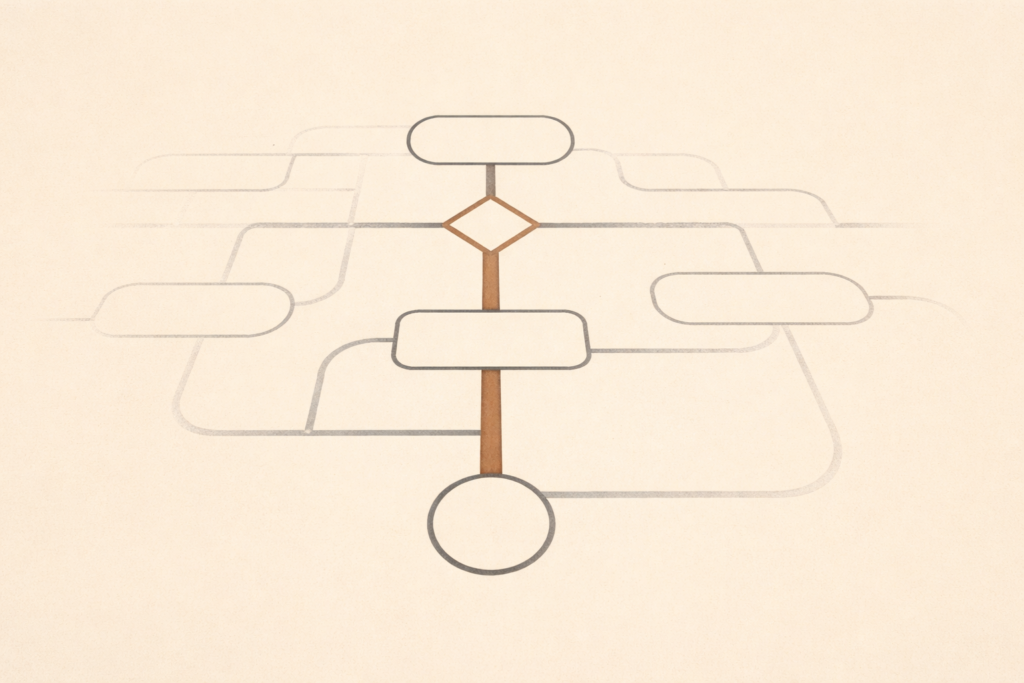
Most people don’t notice when systems begin deciding for them. Automation works quietly, until judgment fades.

Failure analysis works when facts lead and ego stays quiet. Work Hands outlines how professionals diagnose problems without blame.