Future Literacy

Future Literacy

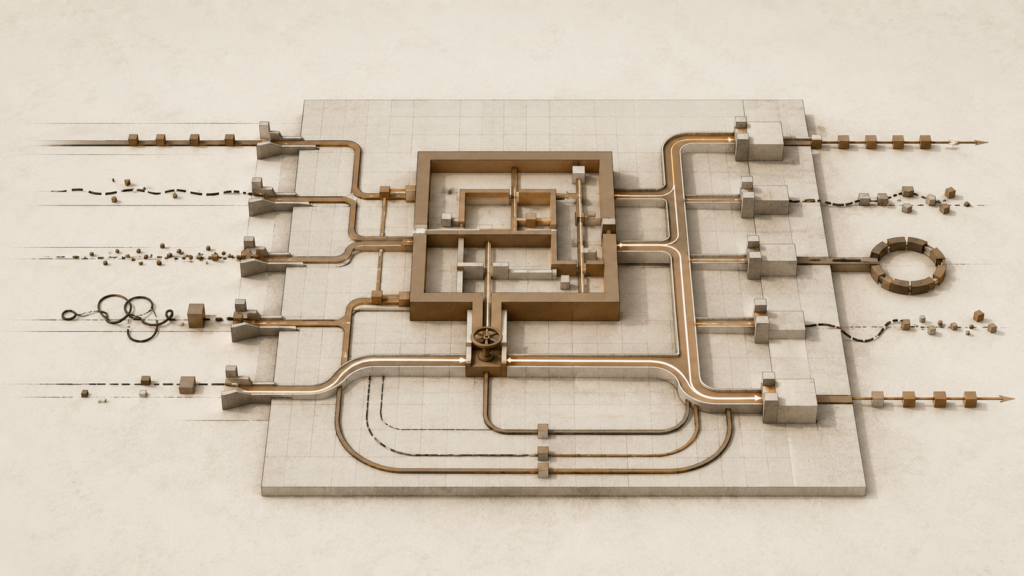
Future Literacy helps you recognize meaningful change early, think clearly when conditions are uncertain, and build capabilities that remain useful as work, technology, institutions, and expectations evolve.

The goal is not to predict every turn. Instead, the work helps you read signals, understand the systems behind them, decide what deserves action, and adapt without losing your footing.

Start with the pressure you can already see. Then build the capability you may need next.


Explore the Future Literacy Framework →


Start Here

Build the Core Capabilities

What Future Literacy Helps You Do

  • Recognize meaningful change before pressure makes the change impossible to ignore.
  • Separate structural movement from noise, novelty, and short-lived disruption.
  • Make better decisions when some information is still missing.
  • Build skills and knowledge that can travel across employers, tools, roles, and changing conditions.
  • Protect attention and cognitive capacity so judgment remains available under pressure.
  • Adapt your methods without abandoning the parts of your structure that still work.

When the Pressure Is Work

Build Career Capital

Career Capital applies Future Literacy to automation, portable skills, labor-market signals, evidence, learning, knowledge, risk, AI leverage, and career resilience.

The question is bigger than whether your current job is secure. It is whether your position can survive a change in employer, technology, market, or role.


Explore Career Capital →

Read What Is Moving

Follow Workforce Signals

Changes in automation, apprenticeships, credentials, education, job design, and the labor pipeline can alter which capabilities become more valuable.

The useful question is not whether every new development will transform work. It is which changes are strong enough to justify attention, learning, or a change in direction.

Build the Next Layer


  • Education & Skills

    Go deeper into learning, capability, judgment, technology, discipline, and practical skill development.

  • Work Hands

    Move from workforce change into skilled work, standards, tools, training, inspection, and competence that has to hold in the real world.

  • Tech as Discipline

    Examine how technology should fit into your routines, attention, work, and decisions instead of allowing the tool to set the terms.

  • Mind as Discipline

    Strengthen focus, cognitive control, mental structure, and the clarity needed to make sound decisions under pressure.

Future Literacy Weekly Reset

Keep building while the conditions move.

One actionable insight each week. One system to strengthen. No hype. No noise. Just practical structure for modern work and life.


Join the Newsletter

Receipts

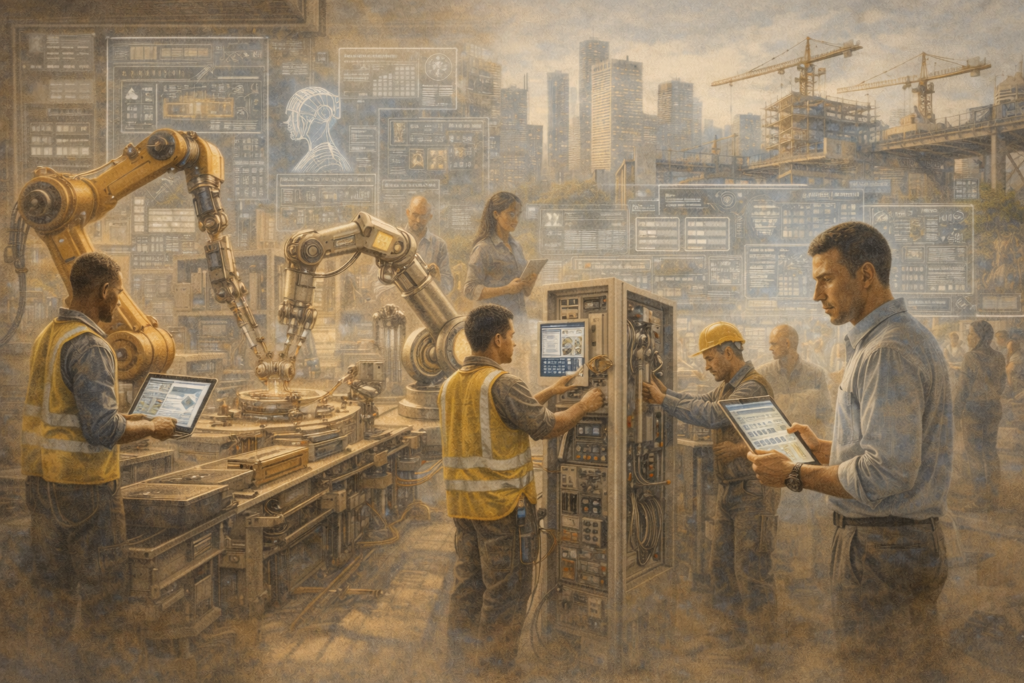
Workers collaborating with automated machines and robotics in a modern workspace illustrating how automation is changing work.
Education & Skills

How Automation Is Changing Work

Automation is reshaping the modern workforce, but it is not eliminating work altogether. Instead, it is changing which skills matter most. As machines handle more routine tasks, human workers are increasingly valued for judgment, adaptability, and problem solving. Understanding how automation changes work is essential for navigating the future economy and building skills that remain relevant as technology evolves.

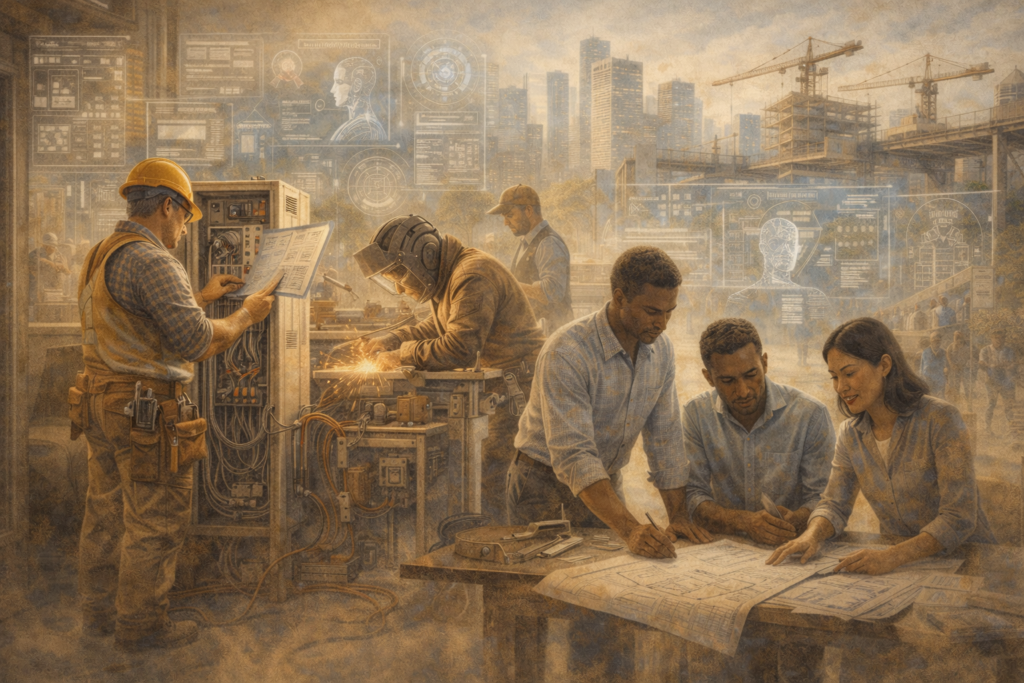
Diverse workers using hands-on skills, tools, and teamwork while AI systems appear as supporting tools in a modern workspace.
Education & Skills

The Skills AI Cannot Replace

AI can automate tasks, analyze data, and accelerate workflows. But the future of work will still depend on human skills that machines struggle to replicate—judgment, adaptability, hands-on problem solving, and the ability to navigate real-world complexity. As automation expands, the workers who combine technical knowledge with practical intelligence may become even more valuable. The real question is not what machines can do, but which human skills remain indispensable.

Scroll to Top