

Stability Is a Requirement, Not a Request
Stability is a requirement, not a request. Durable systems in life, leadership, and finance are built through structure, standards, and disciplined repetition—not emotion or hope.
Foundational principles that define the Groundwork Daily philosophy. Each pillar offers perspective on discipline, community, creativity, and sustainability in personal growth.
Stability is a requirement, not a request. Durable systems in life, leadership, and finance are built through structure, standards, and disciplined repetition—not emotion or hope.

Structure in a relationship and in life is the clear system of expectations, boundaries, and consequences that protects what you value and makes stability repeatable.

Intelligence does not prevent failure. Smart people make bad decisions when bias, ego, and structural pressure overwhelm discernment.

Budgets reveal beliefs. Encode your values into rules so good decisions become habit—not debate.

A two year direction is not a rigid script. It is a clear line of travel for the next twenty four months that aligns choices, limits drift, and turns discipline and structure into real stability.

Peace doesn’t maintain itself. This checklist outlines the structures partnerships need to stay stable, aligned, and resilient over time.

Gaming isn’t the problem. Avoidance is. This piece breaks down when gaming functions as healthy rest and when it quietly becomes a way to postpone responsibility.

Wisdom to wait is not hesitation. It is measured discernment that gathers evidence, steadies emotion, and protects long-term stability.
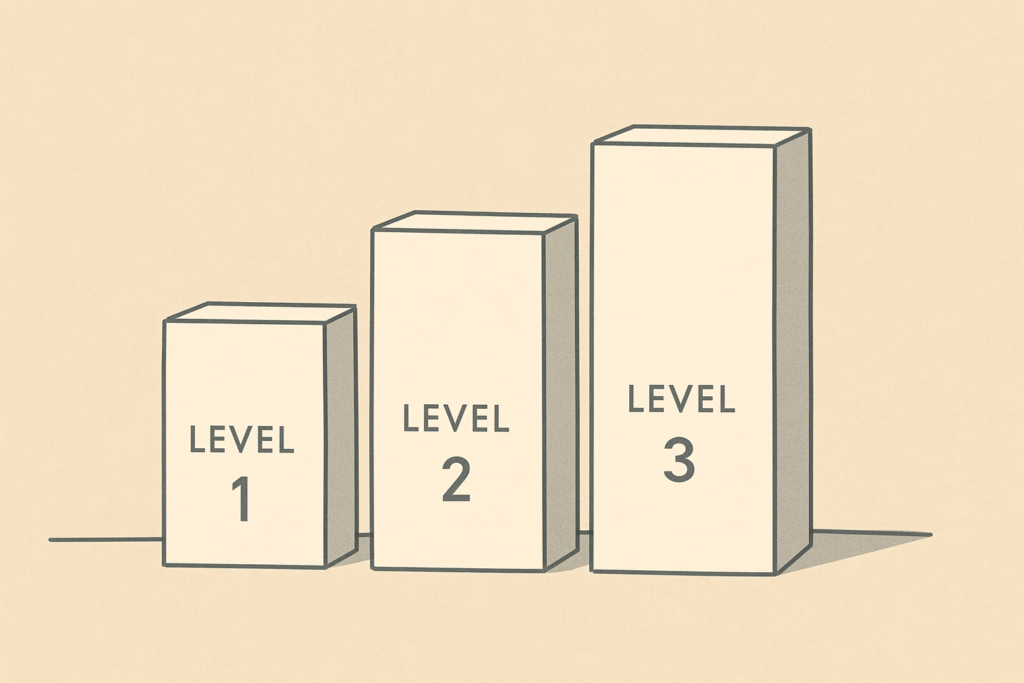
Capability is not just talent. The three levels of capability—task, system, and adaptive—show how structure turns effort into reliable performance that can travel across roles, seasons, and pressure.

Discernment is incomplete without timing. Acting too early or too late carries costs clarity alone cannot prevent.

Most bad decisions are not impulsive. They are unstructured. This guide breaks down practical decision-making frameworks that reduce noise, expose tradeoffs, and help you choose clearly under pressure.
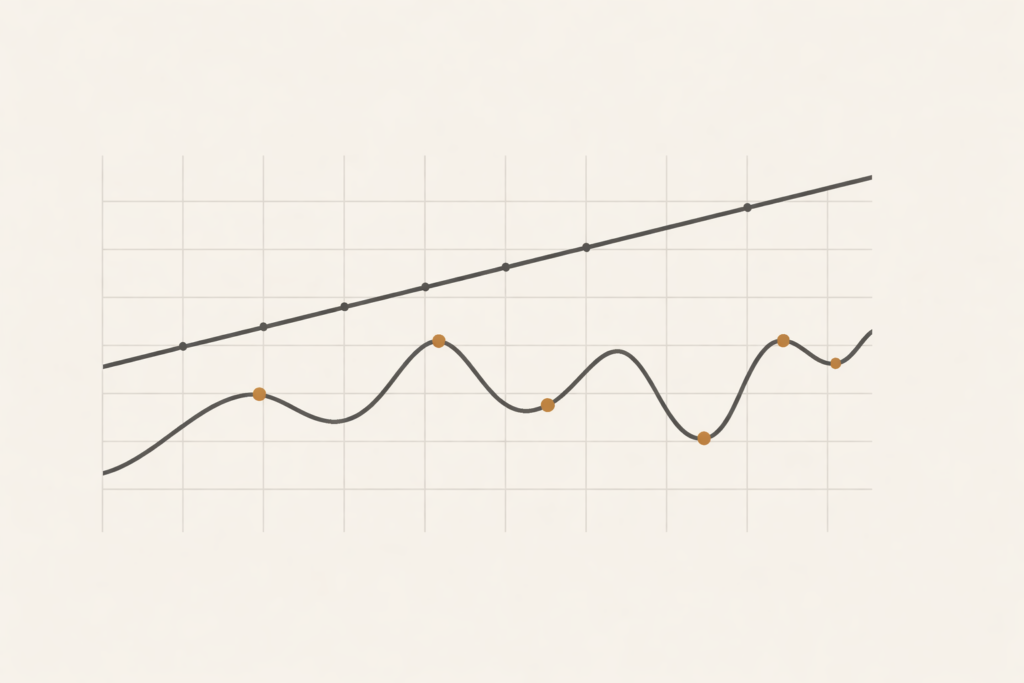
Comparison is not the thief. Unmanaged comparison is. Use it to calibrate standards, not to outsource identity.