
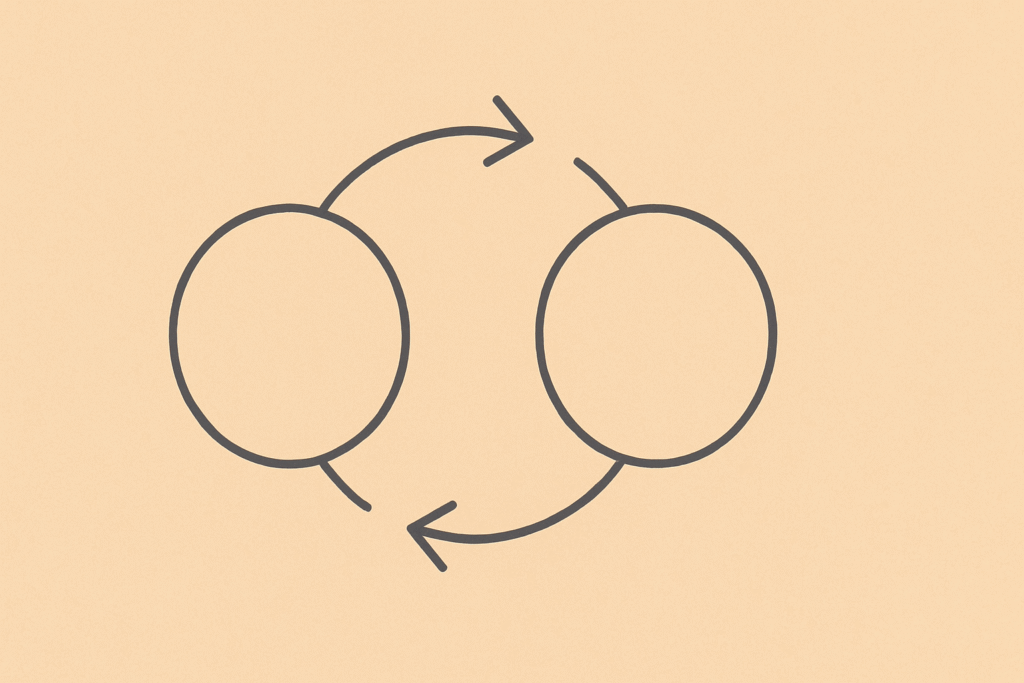
How to Use Systems Thinking in Real Life
Systems thinking reveals the patterns behind your daily outcomes. When you can see the loops, you can change them. Structure becomes strategy, and small adjustments create lasting stability.
Systems thinking reveals the patterns behind your daily outcomes. When you can see the loops, you can change them. Structure becomes strategy, and small adjustments create lasting stability.
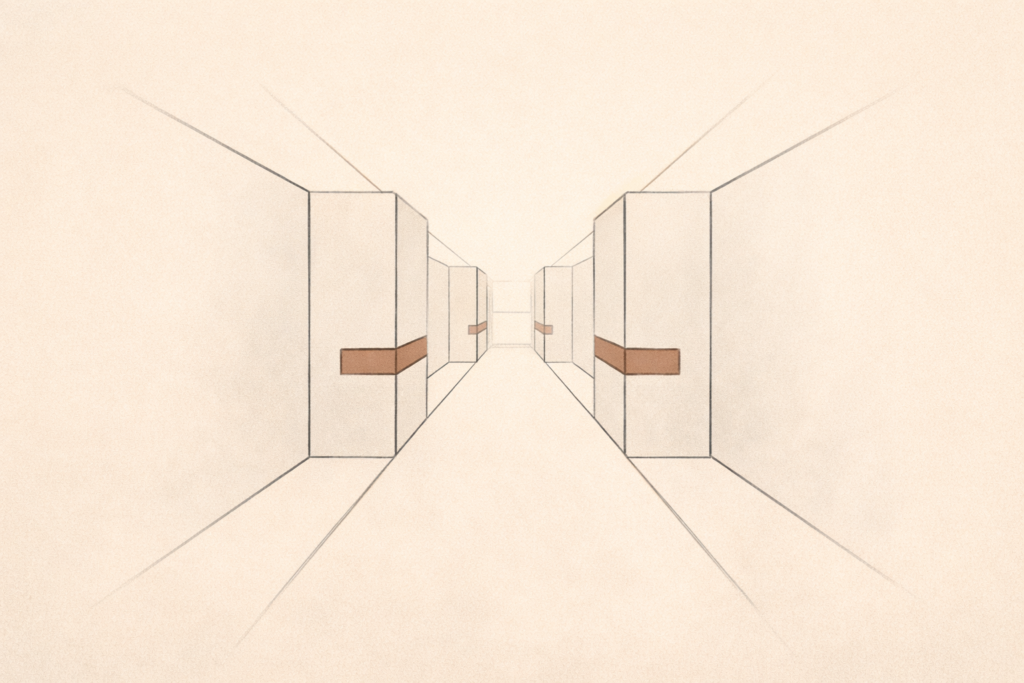
Friction is not failure. When designed intentionally, it protects judgment, pacing, and responsibility inside complex systems.
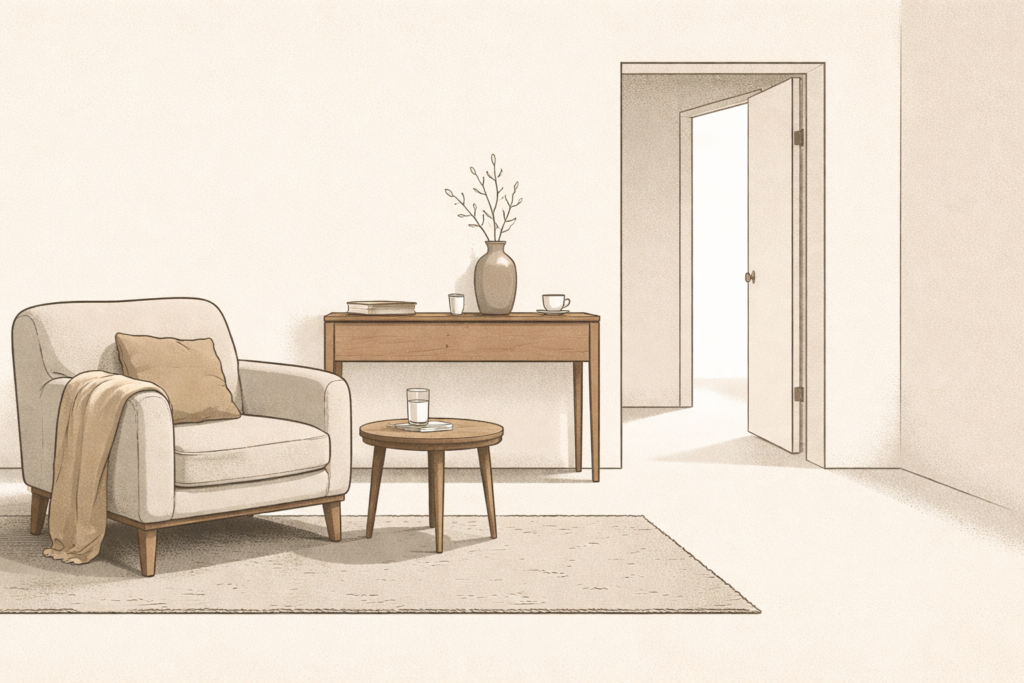
The soft life isn’t created by vibes or aesthetics. Without boundaries, ease collapses into availability, and rest becomes fragile instead of restorative.
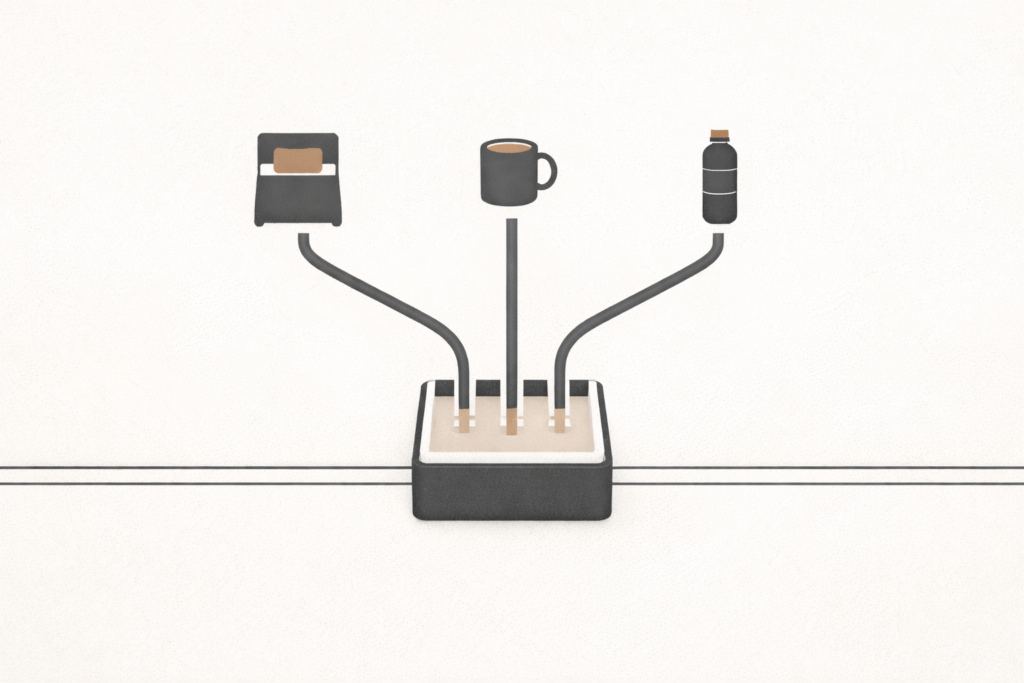
Energy becomes unstable when inputs are unregulated. Today’s Blueprint focuses on controlling sleep, fuel, and recovery timing so capacity stays predictable.
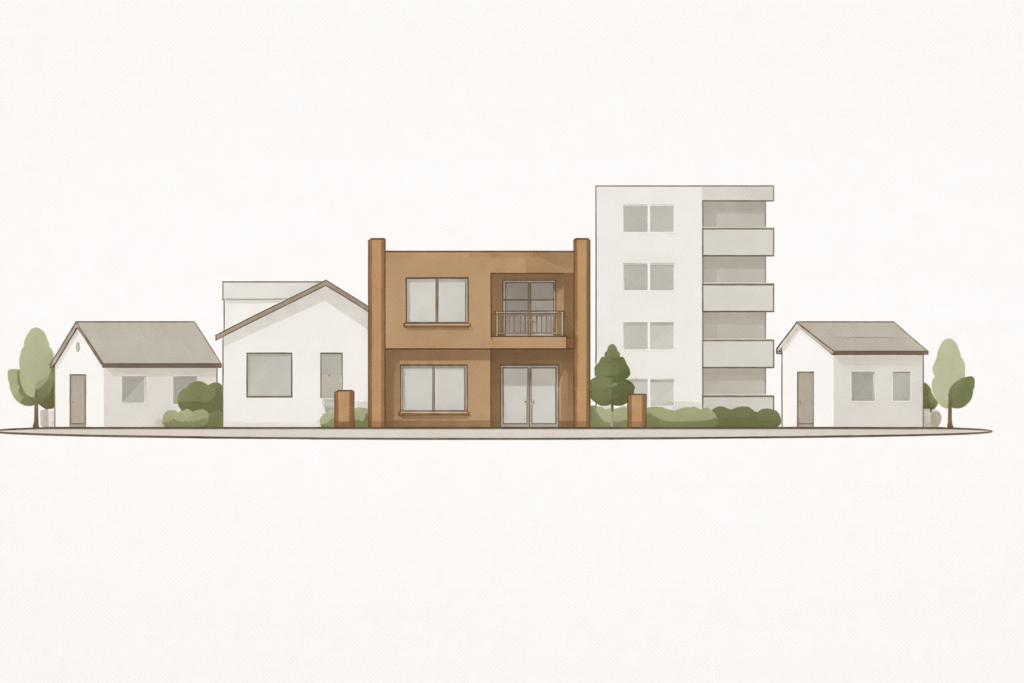
Block logic enforcement protects shared standards when quiet correction fails. Without predictable consequence, community order becomes optional.
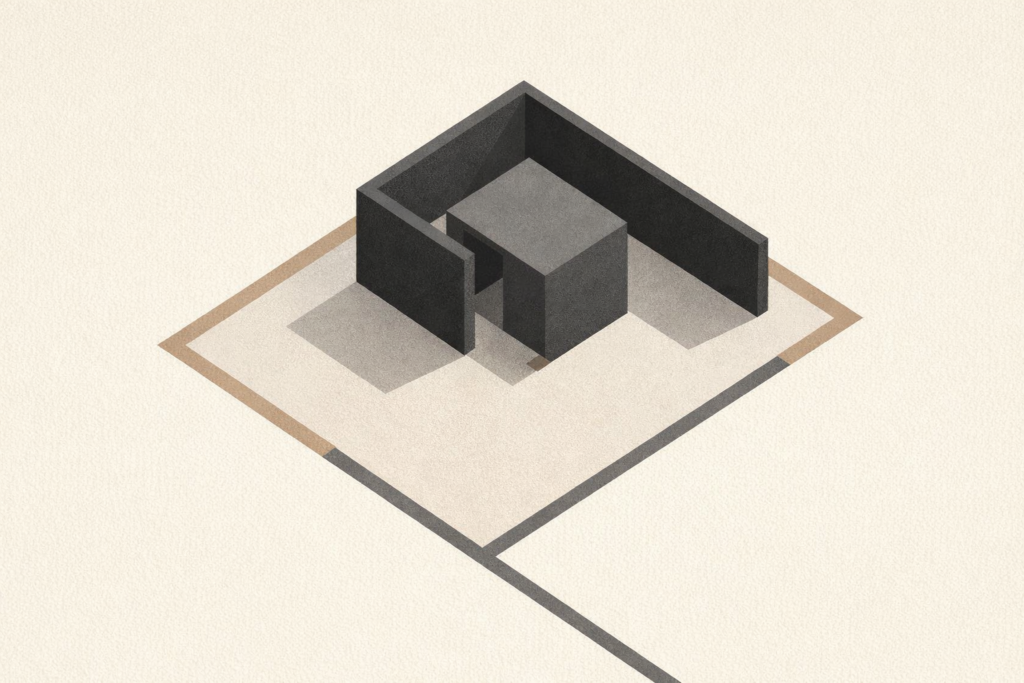
When conflict arises, many men do not argue. They withdraw. This post explains why silence often feels safer than discussion and what that pattern actually reveals about trust, conflict, and emotional cost.

Discernment in relationships recognizes when connection begins to cost peace and clarity before damage becomes permanent.
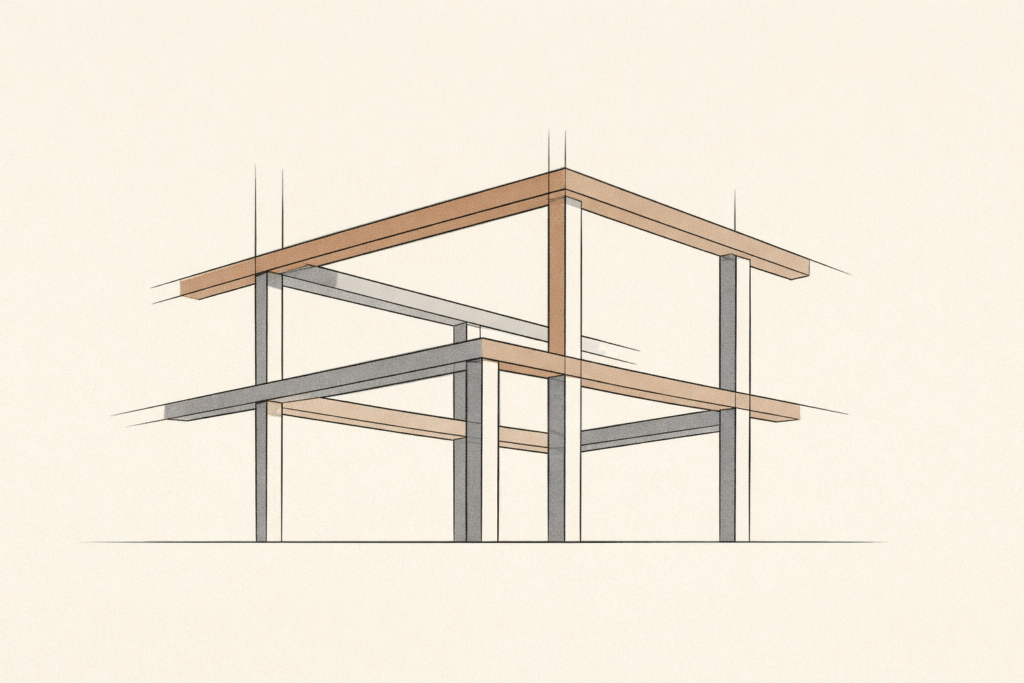
Freedom without structure collapses. Discipline, boundaries, and order are not constraints on freedom. They are the conditions that make freedom durable and usable over time.
Discipline collapses when energy is unstable. Today’s Blueprint focuses on stabilizing daily energy so routines, order, and sequence can hold without force.
Emotional reactions are not accidents. They reveal the structure beneath them. This Pillars entry explores emotional discipline as a daily form of governance.
Boundaries are not polite requests or emotional ultimatums. They are clear instructions backed by follow-through. When boundaries are treated as suggestions, confusion replaces accountability and enforcement disappears.
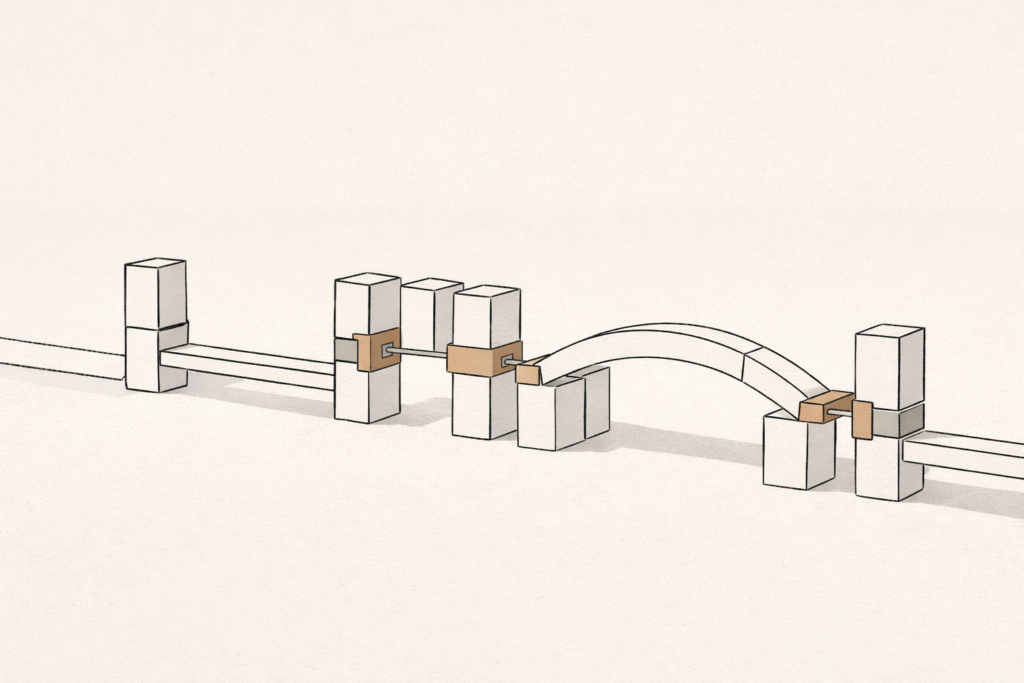
Many kids learn rules, grades, and achievement. Fewer learn repair, reciprocity, and emotional steadiness. Love is a skill. We should teach it like one.