

When Love Becomes Infrastructure
Relationship infrastructure turns affection into stability. Strong love needs more than feeling. It needs agreements, repair, shared labor, and systems that hold under pressure.
Relationship infrastructure turns affection into stability. Strong love needs more than feeling. It needs agreements, repair, shared labor, and systems that hold under pressure.

Community food systems are not built at checkout. They are built through ownership, distribution, participation, and local capacity. Grocery stores can become neighborhood infrastructure that strengthens resilience or another point of dependency.
Begin again without shame. Growth is not built through perfection but through returning with honesty, courage, and steady discipline.

Some paths become trustworthy long before they become impressive. Discipline matures when constant proof is no longer required.
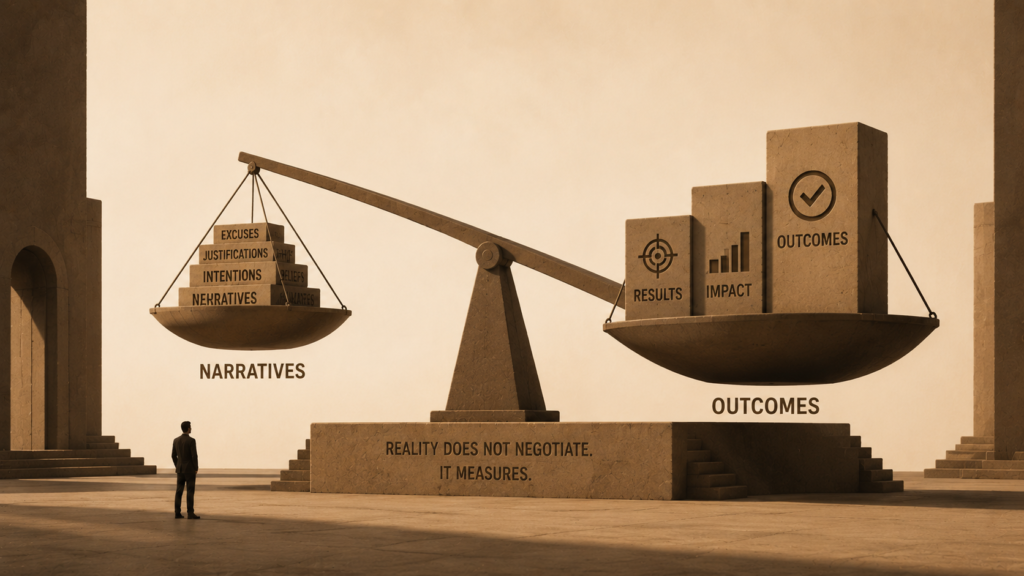
Stories help people explain the world. Outcomes reveal whether those stories were true. Every system, relationship, institution, and individual eventually faces the same audit: results. This final reflection examines why reality remains the ultimate accountability mechanism.

Maintenance is invisible until it disappears. This piece explores why maintenance behavior quietly determines whether homes, buildings, and shared spaces stay stable or begin to decline.
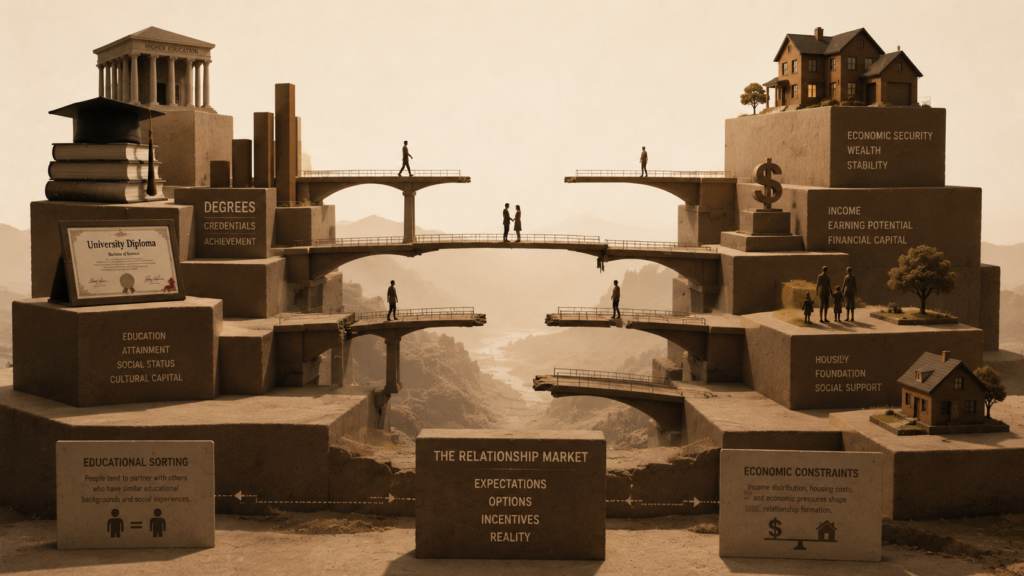
Modern relationships are increasingly shaped by forces beyond individual preference. Educational attainment, income distribution, housing costs, and social mobility all influence who meets, who partners, and who marries. The growing economic dating divide is less about personal choices and more about the structural realities shaping modern relationship markets.

Healthy relationships do not optimize for feelings. They optimize for stability, clarity, respect, and consistent cooperation under pressure.

Degrees, titles, income, and professional success can demonstrate discipline and competence. They cannot tell you whether someone can communicate, repair conflict, receive care, share authority, or build a life with another person. Achievement matters. It just cannot do the work of connection.

Safety can strengthen a community. Constant monitoring can weaken trust. The challenge is understanding where protection ends and social suspicion begins.

The discipline of follow-through turns effort into outcome. Completion builds trust, reduces stress, and separates ambition from fantasy.

Public safety technology begins as a tool. Over time, it can become infrastructure. The question is not whether these systems work. The question is how they are governed once they become difficult to avoid.