
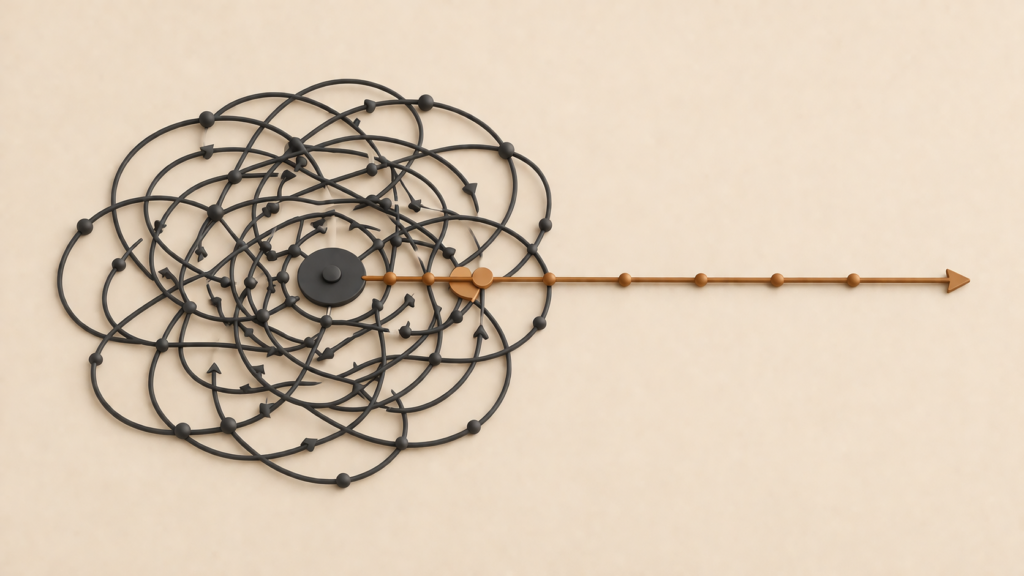
Overthinking Is Unstructured Thinking
Overthinking is unstructured thinking. The problem is not too much thought. The problem is thought without direction, limits, or a defined endpoint.
Overthinking is unstructured thinking. The problem is not too much thought. The problem is thought without direction, limits, or a defined endpoint.
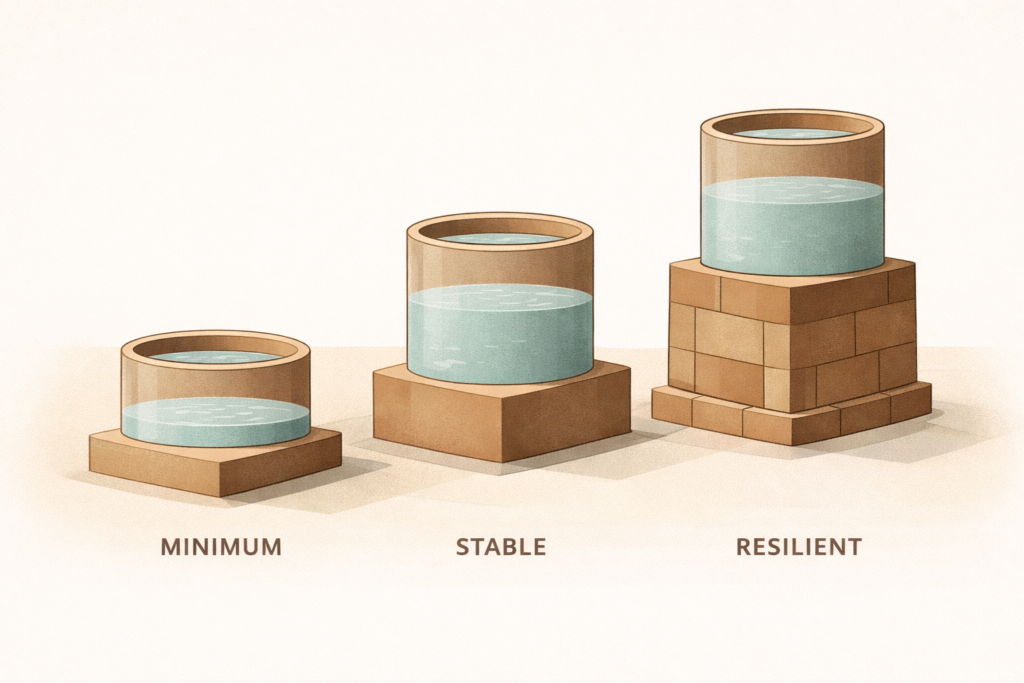
Most advice says save three to six months of expenses. That is incomplete. The right emergency fund depends on your risk, stability, and responsibilities. This guide breaks down how much you actually need so you can build a reserve that protects you without over-saving or delaying progress.

Labor and Wages explains why strong employment reports can still coexist with household pressure, stagnant purchasing power, and financial instability.

Clarity is a byproduct of control. It does not come from thinking harder. It appears when noise, reaction, and distortion are removed from the system.
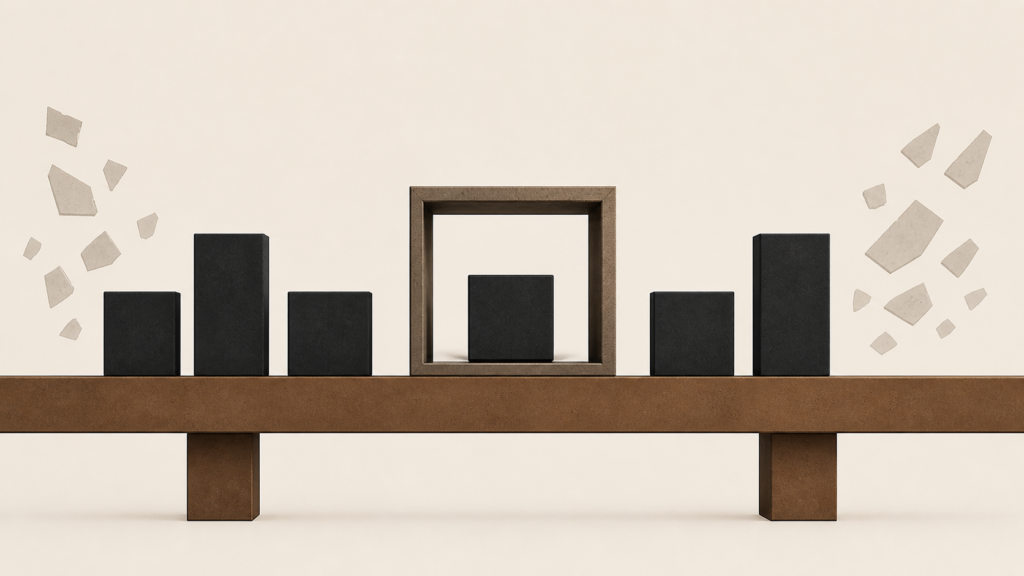
Guard what you’ve built. Growth requires protection, discipline, and clear boundaries to last.
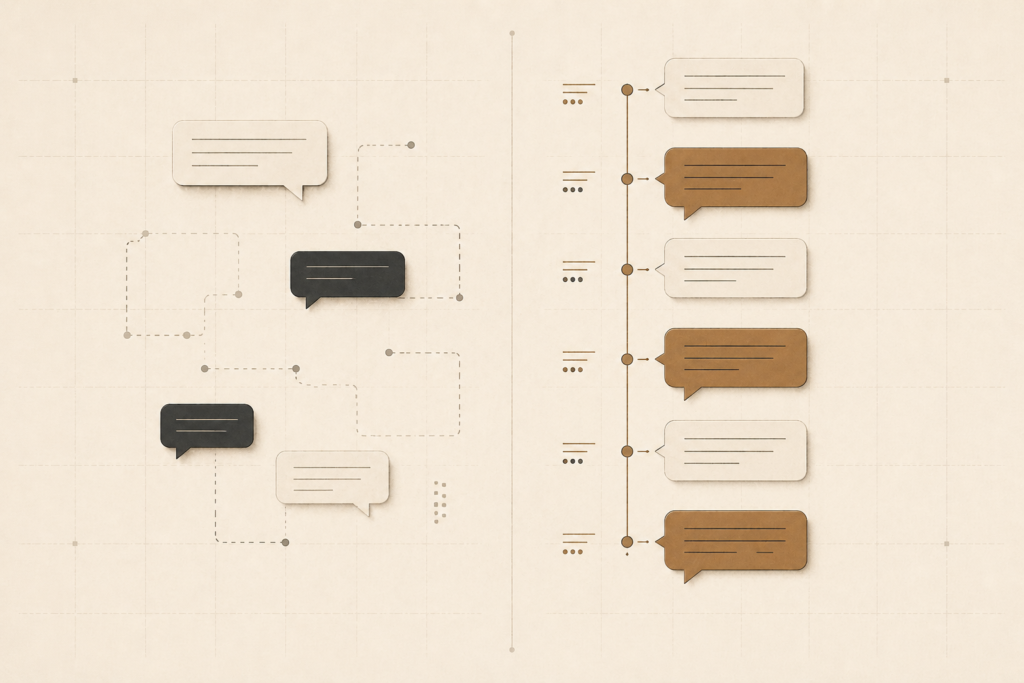
Fatherhood overnights leverage is not emotional. It is mathematical. Time, when tracked and documented, becomes position. And position shapes outcomes.
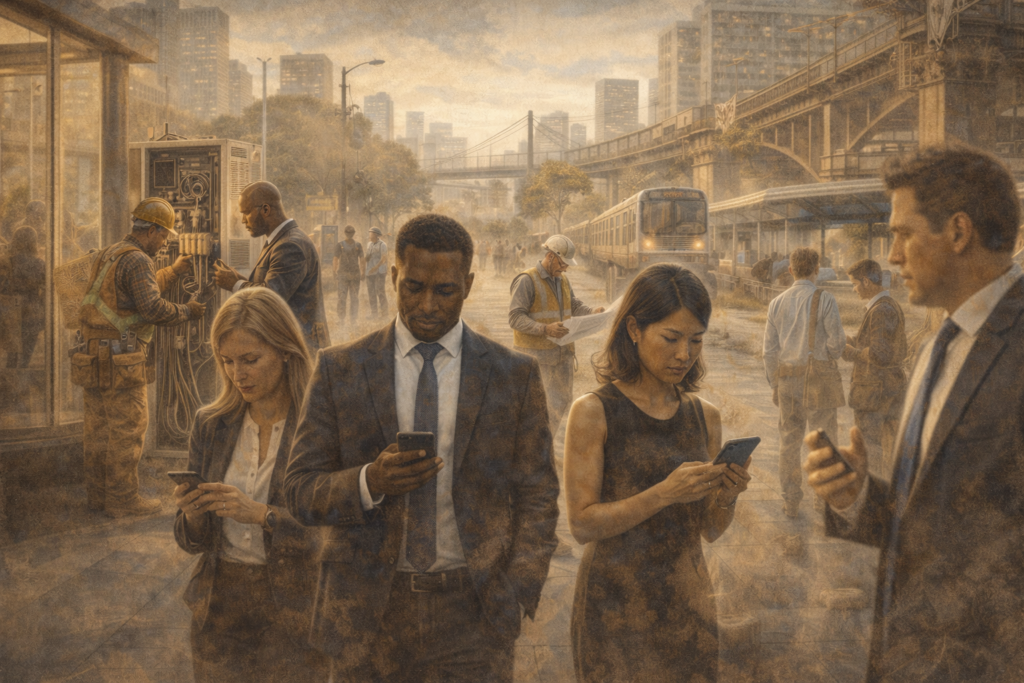
Skilled workers build the systems modern life depends on, yet culture often treats them as background figures. Understanding why skilled labor became culturally invisible reveals how narratives shape status, attention, and economic perception.
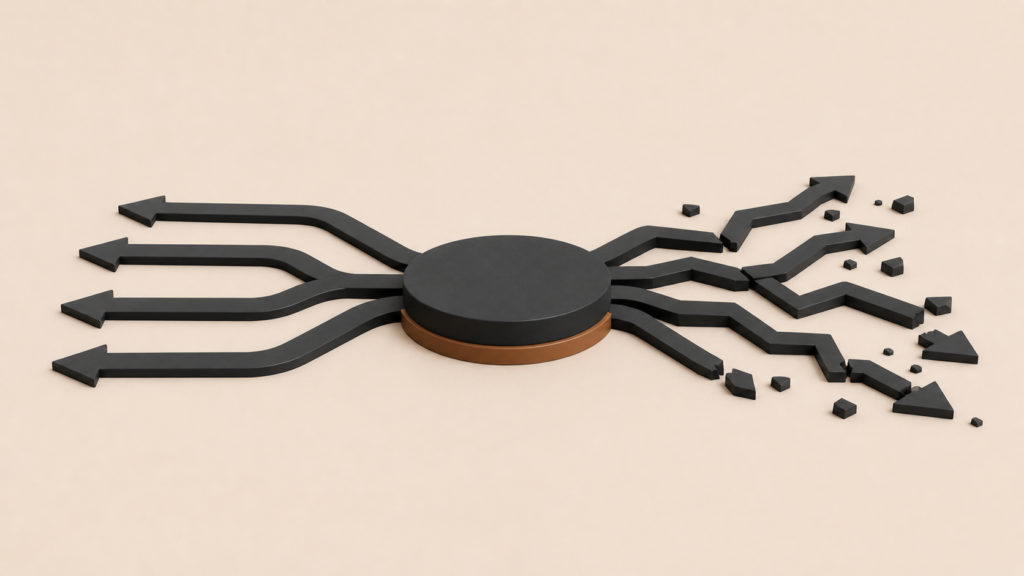
Your default state determines your decisions. If the baseline is unstable, outcomes will follow that instability. Stabilize the system to improve results.

Outrage spreads faster than calm conversation online. The reason isn’t politics or culture. It’s the economics of attention.

Discipline is not about effort. It is about identity. When identity is weak, consistency breaks.

Manual labor stigma did not happen by accident. For decades, culture treated skilled work as a fallback instead of the backbone of the economy.

Most relationships do not end suddenly. They weaken when respect erodes quietly, long before conflict or separation becomes visible.