

Internal Conflict Is a Structural Misalignment
Internal conflict is not confusion. It is a structural misalignment between competing systems. Until alignment is restored, behavior will remain inconsistent and unstable.
Internal conflict is not confusion. It is a structural misalignment between competing systems. Until alignment is restored, behavior will remain inconsistent and unstable.

If you do not control the structure, you do not control the outcome. Systems define results before effort begins.

Examples of accountability vs lack of accountability show how behavior either builds trust or creates confusion across work, relationships, and self-discipline.
House rules power determines outcomes. The game stays the same, but whoever controls the rules controls the result.

Automation is reshaping the modern workforce, but it is not eliminating work altogether. Instead, it is changing which skills matter most. As machines handle more routine tasks, human workers are increasingly valued for judgment, adaptability, and problem solving. Understanding how automation changes work is essential for navigating the future economy and building skills that remain relevant as technology evolves.

Repetition is not importance. Thought loops create urgency that feels real but isn’t. Control begins by breaking the cycle.

There’s always one person who plays Uno by the official rules. And it never goes well.

Most systems do not fail because people stop moving. They fail because friction compounds faster than progress. Reduce the unnecessary resistance, and the path forward becomes visible again.

Recovery is not stability. It is the early stage of structural re-separation after compression or overload. Spacing begins to return, but not evenly. The system is regaining function, yet clarity and reliability remain incomplete.
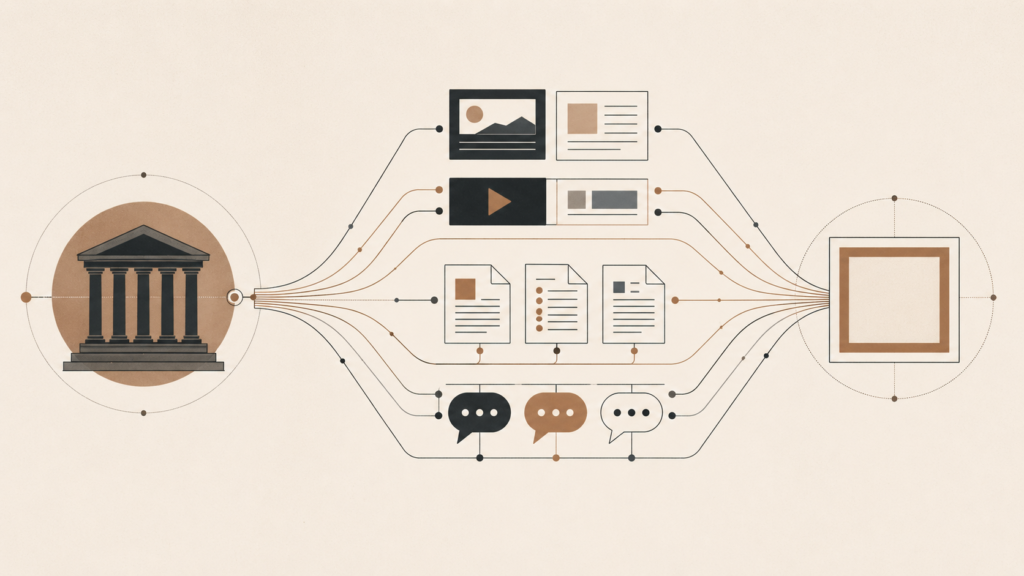
Narrative engineering in politics explains how language, media framing, and institutional influence shape public perception before policy is debated. This System Updates entry shows how political narratives make cuts, restrictions, and risk transfers feel inevitable.

Emotional reactivity is not about feeling too much. It is about responding too fast. Control begins in the space between emotion and action.

Bias recognition is the discipline of identifying the mental filters that shape interpretation before calling it truth.