

When the Spark Fades, Stay Steady
Stay steady when motivation fades. Habits and systems carry progress when the spark disappears and the mood stops cooperating.
Stay steady when motivation fades. Habits and systems carry progress when the spark disappears and the mood stops cooperating.

Saying yes by default erodes attention and judgment. This piece explains how to design better no’s using structure instead of willpower.
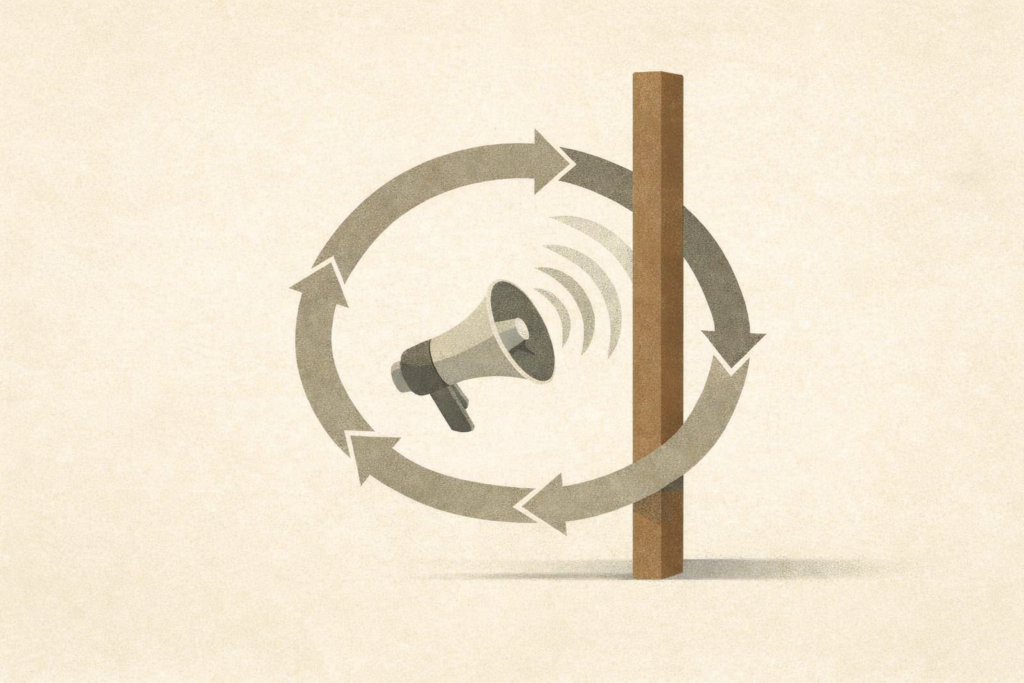
Virality is not magic. It is math. When platforms reward attention over accuracy, distortion scales faster than truth—and audiences carry the cost.
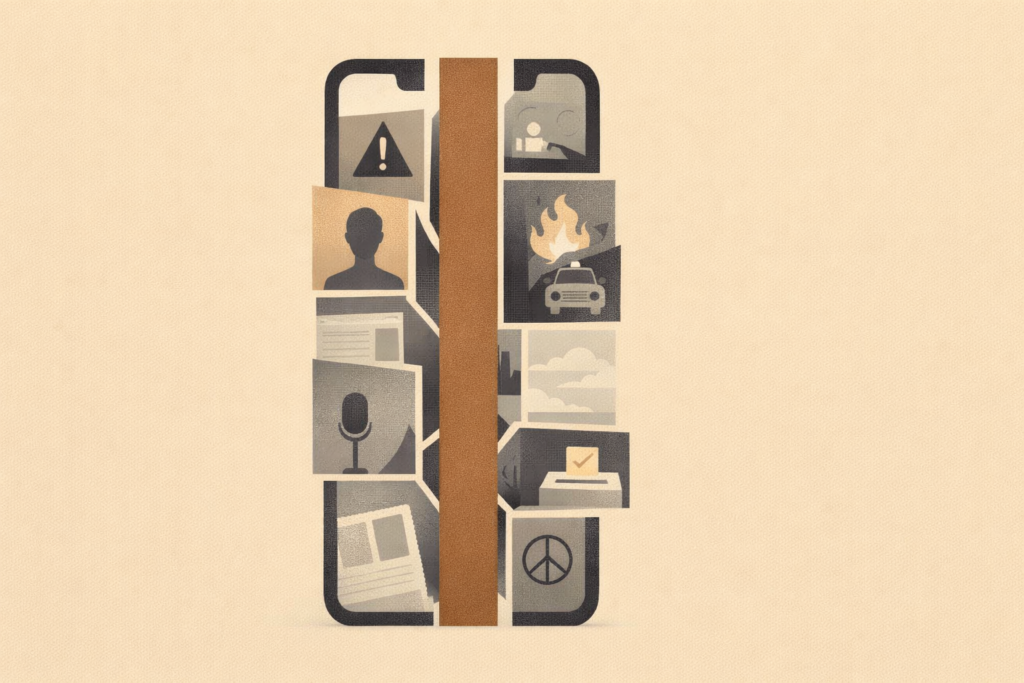
When efficiency governs what we see, the newsfeed stops informing and starts shaping reality. Engagement replaces context, and outrage travels faster than truth.

Discipline only lasts when it becomes process. Work Hands shows how skilled labor turns standards into repeatable systems.
Peace often feels boring only because it is unfamiliar. When the nervous system grows up in chaos, calm does not register as safety. It registers as emptiness. Learning to sit with peace is not about losing passion. It is about retraining the body to trust steadiness.
Close the loop by reviewing results and making one small adjustment. Action creates momentum. Review prevents drift and keeps progress honest.

Accountability keeps the weight off by turning discipline into a shared practice instead of a solo struggle.

Go in peace with calm clarity. Not every space is meant for you. Learn the lesson, choose better energy, and move forward lighter.

Completion does not require everything to be done. Sometimes one finished room is enough to steady the whole house.
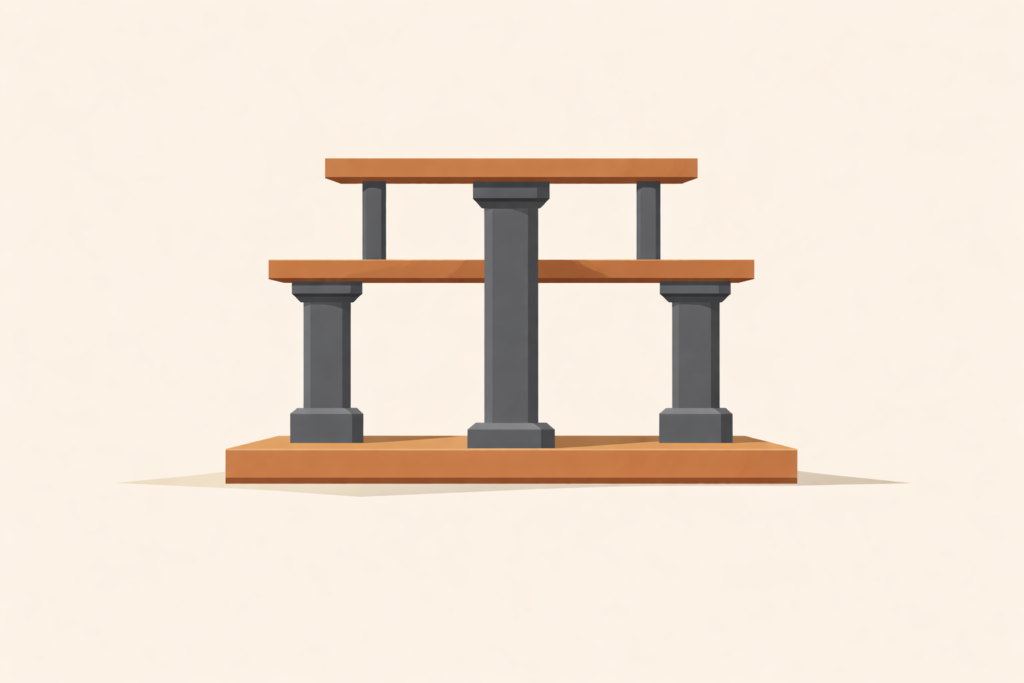
Submission in marriage is not a personality trait or emotional posture. It is a structural agreement rooted in roles, authority, and shared mission.

Understanding explains behavior, but it does not complete the work. This reflection examines the quiet line between empathy and responsibility. And what happens when we pretend it isn’t there.