
Why Modern Dating Feels So Hard (And Why It’s Not What You Think)
Modern dating is not failing. It is untrained. Filters replaced frameworks, warnings replaced instruction, and people are trying to build something permanent with temporary tools.
Modern dating is not failing. It is untrained. Filters replaced frameworks, warnings replaced instruction, and people are trying to build something permanent with temporary tools.
Protect the minimum to preserve momentum. Progress continues when small, repeatable standards are protected, especially on disrupted or low-energy days.

A social media feedback loop does not just predict behavior. It trains it. Here is how the loop tightens, why speed beats reflection, and where structure must intervene.

The internet is not virtual. Every digital service depends on physical infrastructure—data centers, energy systems, and water resources—that shape who benefits and who bears the cost.

Efficiency feels neutral, but it rarely is. When automated systems prioritize speed over accountability, fairness becomes optional—and harm becomes scalable.

Digital platforms scale globally, but infrastructure remains local. This post explains the physical cost of digital ambition and who absorbs it.
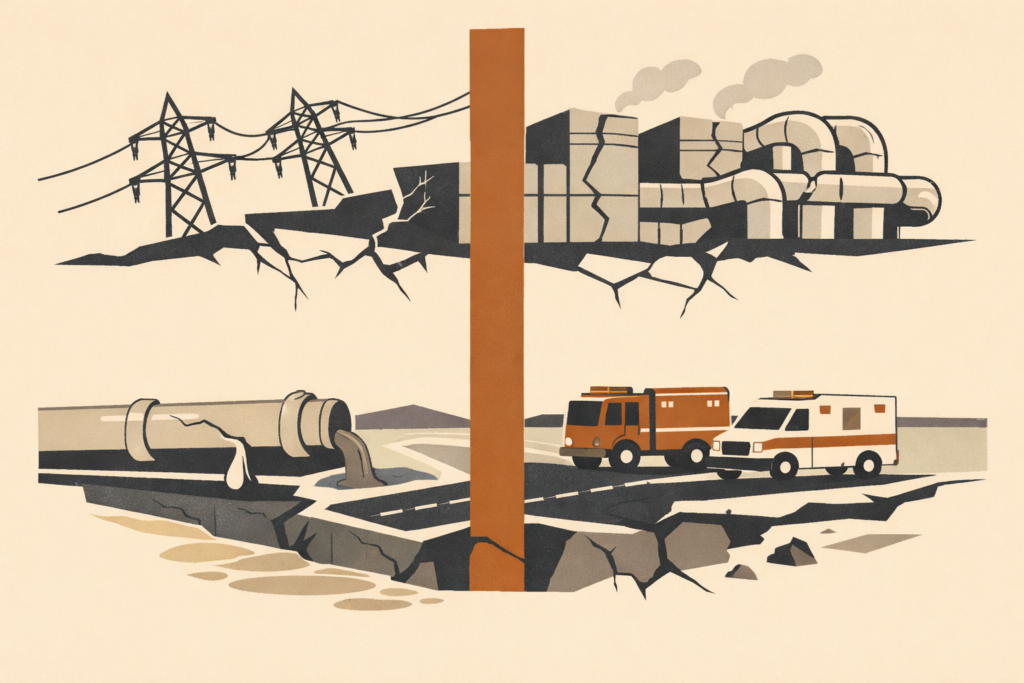
When digital infrastructure fails, costs do not disappear. This post examines who absorbs the financial, environmental, and civic consequences when systems break.

Tech can diversify the room without distributing ownership. This post breaks down why representation does not automatically produce equity, especially for Black Americans.

Tech wealth concentration is accelerating because ownership compounds faster than labor. This post explains why participation grows while wealth pools at the top.

Trust is not a feeling. It is an architecture. Accountability is the architecture of trust. It is the structure that

Power and price do not disappear after failure. They change direction. When a system breaks, the damage rarely speaks for

Financial boundaries are not distance. They are design. Clear money systems protect autonomy, reduce conflict, and turn respect into routine.