Legacy in Motion is Groundwork Daily’s long-horizon series on family, responsibility, and continuity.
It examines how behavior systems extend across time and become the structures people inherit.
A life is not measured only by momentum. It is measured by what continues to stand after decisions compound.
What repeats in a household becomes normal. What becomes normal becomes expected. What is expected becomes inherited.
The mission is simple. Treat legacy as a living system. Family structure, commitment, boundaries,
and provision are not abstract values. They are operational patterns that shape children, relationships,
and futures long before new decisions are made.
Legacy in Motion operates like a long-range audit. It examines how responsibility is assumed,
deferred, or avoided—and what each pattern produces over time. No nostalgia. No moral theater.
Just a clear look at what holds and what quietly breaks across generations.
Legacy is not something built later. It is already in motion. Every repeated behavior is contributing to it,
whether intentional or not.
Every installment answers three questions.
1. What system is being built
The family structure, commitment pattern, or relational model currently repeating.
2. What it produces over time
The downstream effects on children, stability, trust, and opportunity as those patterns compound.
3. What must be corrected now
The disciplined action required to protect continuity instead of reinforcing drift.
Time is not neutral. What is not guided drifts. What is not maintained decays.
What is not protected does not last.
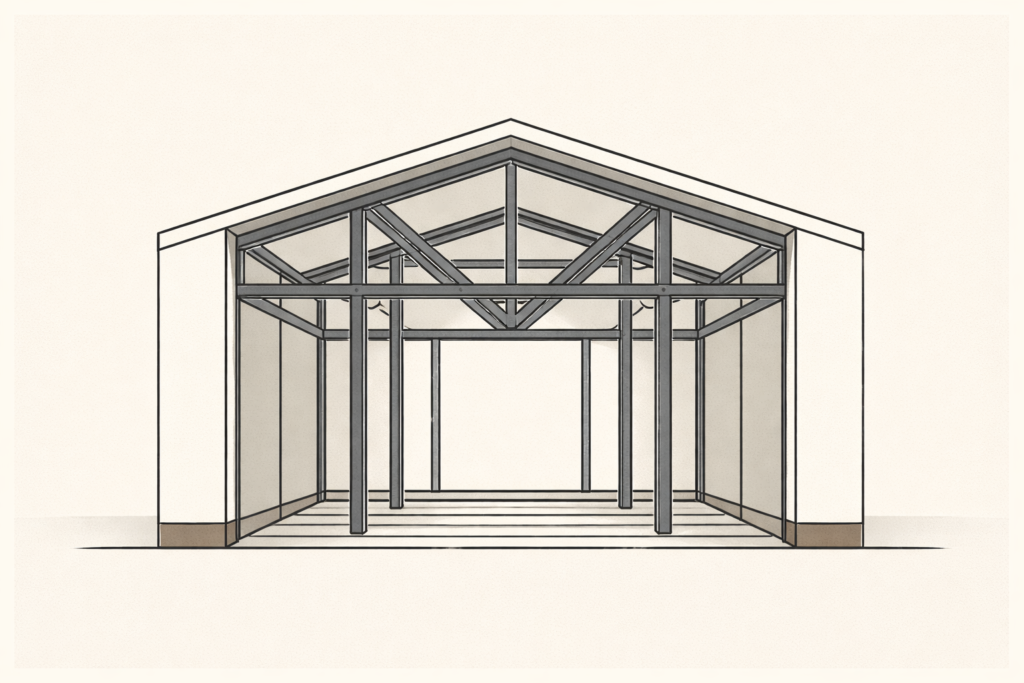
This is responsibility practiced with intention. This is family treated as infrastructure.
This is behavior understood across time, not just in moments.
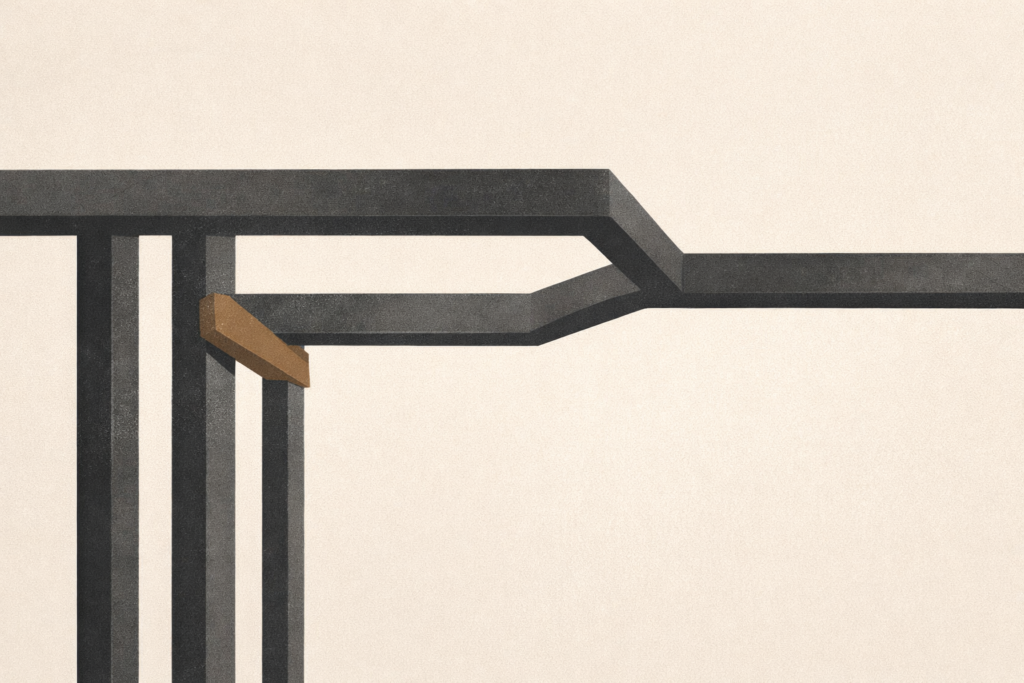
Commitment requires infrastructure. Affection alone does not sustain stability. Long-term alignment depends on defined expectations, disciplined maintenance, emotional regulation, and shared direction reinforced over time.
Financial control in marriage often begins quietly. Restricted access, secrecy, and subtle pressure can signal imbalance long before escalation. Recognizing early patterns protects autonomy, stability, and long-term relational health.
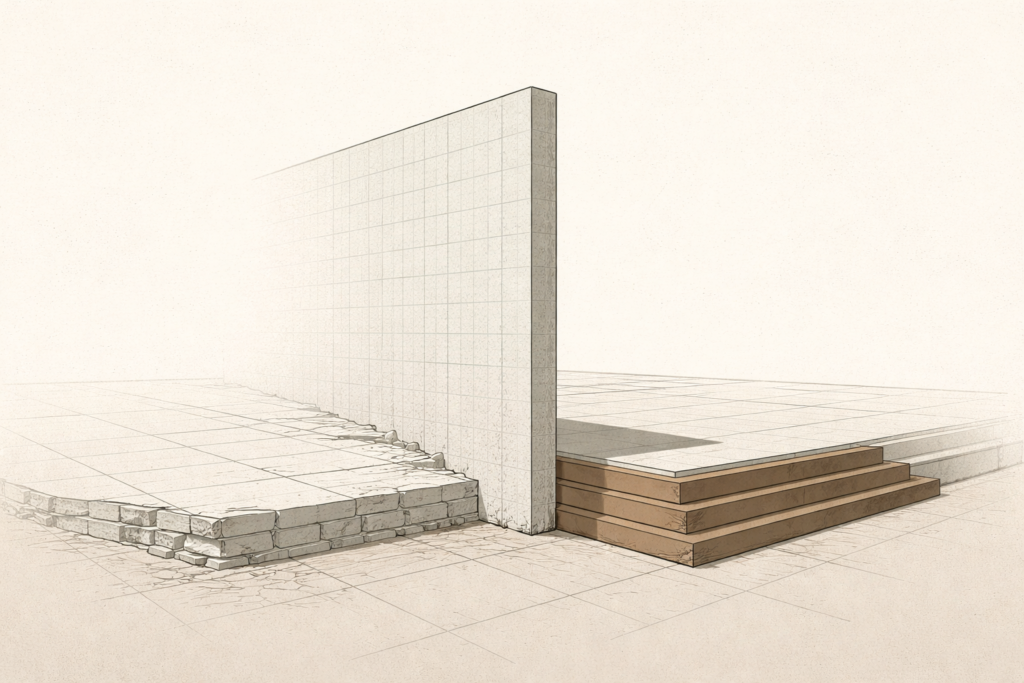
The journey from “Freedmen” to “African American” was not cosmetic. It was structural. Each label carried legal meaning, social boundaries, and political leverage. As naming conventions shifted across Reconstruction, Jim Crow, Black reclamation, and ethnic framing, the architecture of power shifted with them. Understanding how labels evolved reveals how identity moves from classification to capacity.
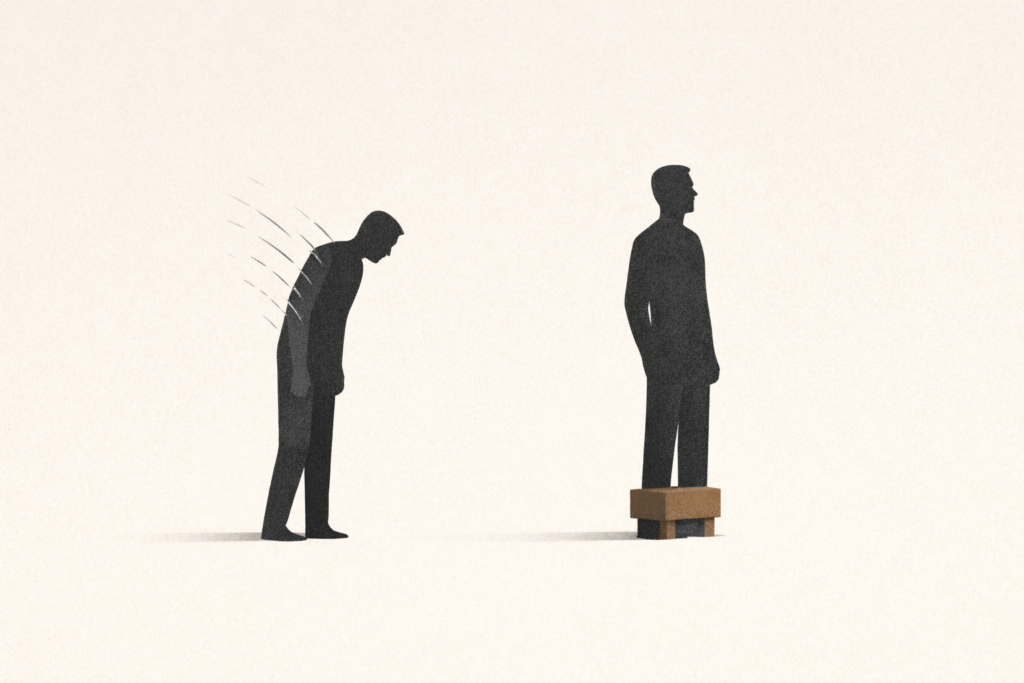
When the need for approval overrides internal clarity, posture bends. The fawn response does not shout or rebel — it leans. It absorbs pressure quietly, mistaking appeasement for peace. But authority does not require collapse. Grounded leadership begins at the base. When internal structure is anchored, external pressure loses leverage. Stability is not loud. It is braced.
A man’s life is shaped less by what he demands from the world and more by what he demands from himself. External validation fluctuates. Reputation fades. What remains is the internal standard that governs choices when no one is watching—and that standard determines the kind of legacy a man leaves behind.
Validation-seeking behavior often disguises itself as humility, kindness, or connection. In reality, it is a quiet dependence on external approval that slowly weakens identity. When self-worth is outsourced to reactions, likes, praise, or reassurance, discipline fades and insecurity grows. This article explores the psychology behind approval-seeking and how to anchor confidence internally instead of performing for validation.
Validation-seeking can originate in trauma, but it can also signal an identity deficit. Learn the psychological difference between survival-based approval patterns and underdeveloped self-definition — and how to rebuild internal structure.
Leaving a financially abusive relationship requires strategy. Learn how to protect your credit, separate accounts safely, and rebuild financial autonomy without long-term damage.
Emotional unavailability is often misunderstood. It does not always mean someone lacks feelings. More often, it means a person has learned to protect their inner world through distance, control, or restraint. Understanding the difference between emotional avoidance and emotional discipline helps clarify what real emotional availability actually looks like.
Simp vs good man explained. The real difference is not kindness, but standards. Learn how validation-seeking behavior differs from disciplined masculinity in modern relationships.