System Updates, the civic intelligence arm of Groundwork Daily.
About System Updates
System Updates is the civic intelligence arm of Groundwork Daily. It tracks the movement of power, the reconfiguration of institutions, and the quiet shifts that shape how communities live, work, and build.
The mission is simple. Translate complexity into clarity. The world runs on systems, from policy to budgets to incentives to technology. Most of that machinery operates in the background. This series brings those systems to the surface. Each report explains how they work, what is changing, and why it matters for anyone building stability in an unstable environment.
System Updates operates like an internal audit for the world outside your door. It examines numbers, incentives, structural risk, and political movement with steady precision. No noise. No theatrics. No partisan choreography. Only disciplined analysis rooted in evidence and long horizon thinking.
Every installment answers three questions.
1. What shifted
The policy decision, the budget move, the legal ruling, the technological acceleration.
2. What it signals
The deeper pattern that sits beneath the headline.
3. What it changes for ordinary builders
The downstream effects on work, family, safety, opportunity, and long term planning.
System Updates exists because every community deserves clarity. Accountability is structural. People who are building a future should not have to guess how the system is moving around them.
This is civic literacy practiced with intention. This is disciplined awareness applied to public life. This is the briefing that keeps the builders ahead of the curve.
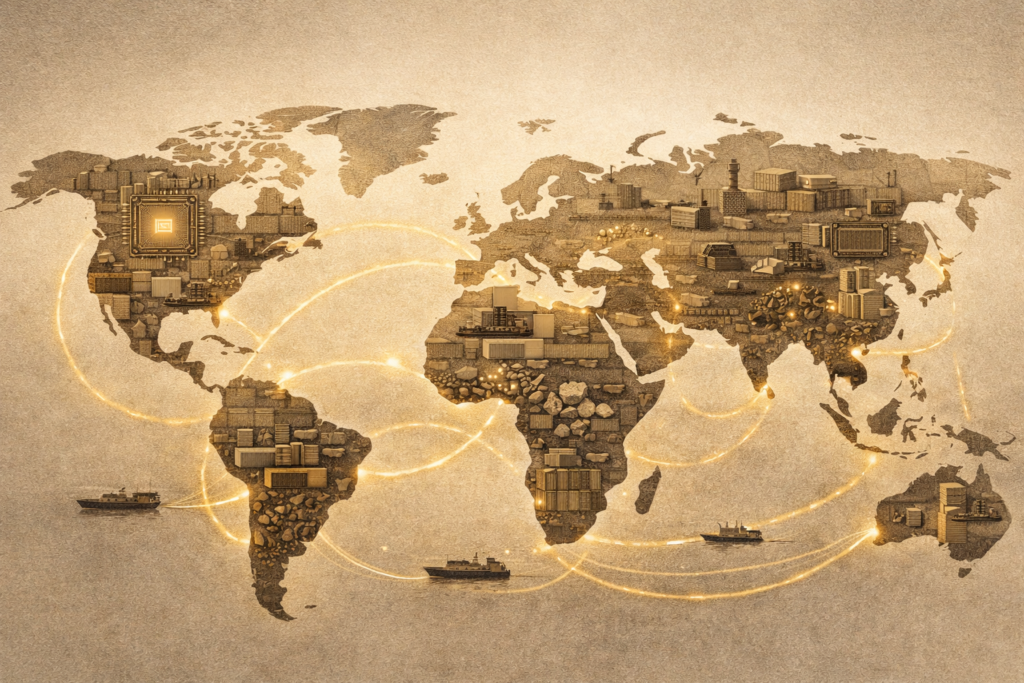
Technology supply chains now shape global power as much as armies and borders. Semiconductors, rare earth minerals, and infrastructure determine who controls the modern economy.
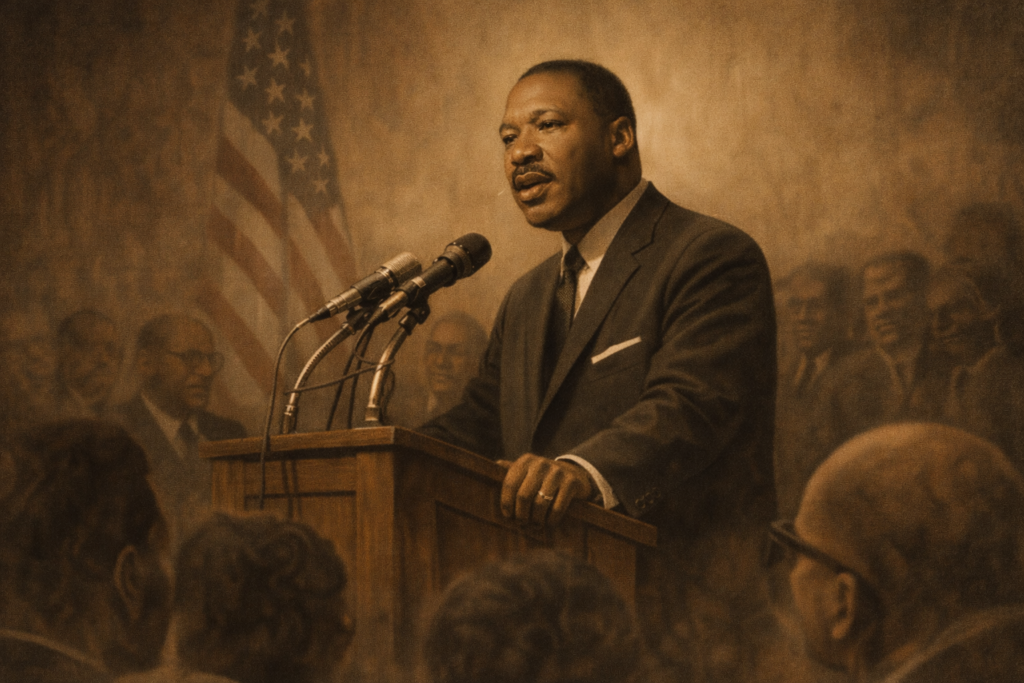
What were Martin Luther King Jr’s views on economic justice? His argument went beyond civil rights, focusing on poverty, opportunity, and the structure of the economy.
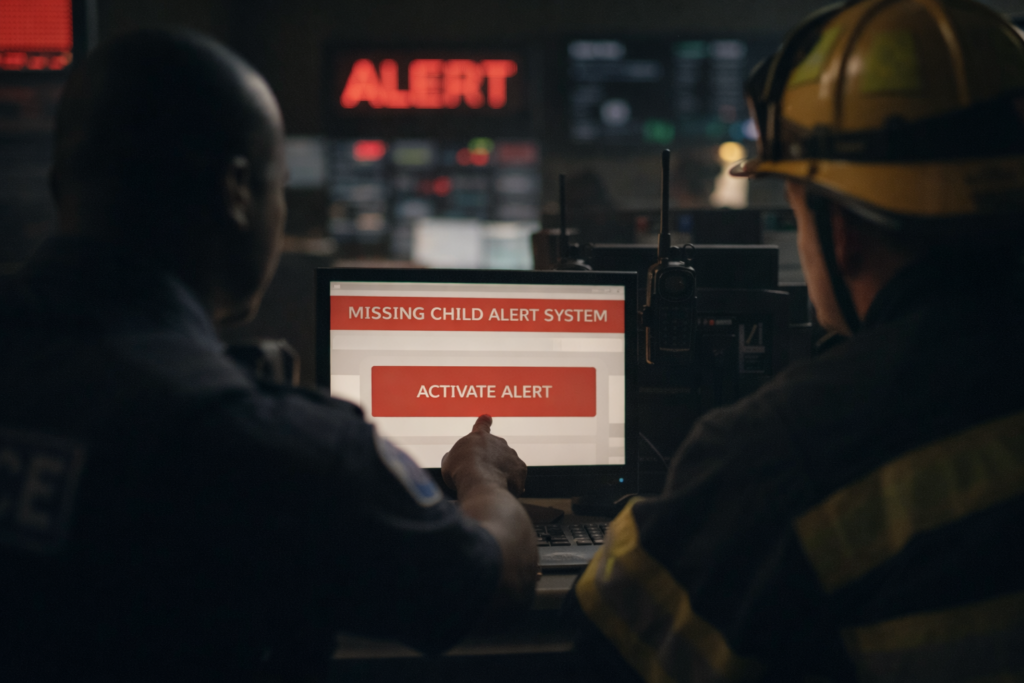
This audit examines whether implementing an Ebony Alert system measurably changes missing-person outcomes compared to comparable states without the policy. It evaluates time-to-alert issuance, resolution rates, and classification patterns using predefined performance thresholds and structured institutional comparison.
Lineage-based reparations face a constitutional test under strict scrutiny. The real question is whether a policy framed around documented injury and eligibility structure can survive equal protection review without collapsing into race preference.
Dr. Martin Luther King Jr. once said that emancipation gave many Black Americans freedom to hunger. The phrase sounds harsh, but it reveals a deeper argument about economic justice. King believed that political freedom without land, jobs, or economic support left millions legally free yet materially vulnerable.
The security dilemma explains why nations expand militaries and compete strategically even when they do not want war. In an uncertain world, defensive actions can appear threatening, triggering cycles of mistrust that shape global geopolitics.
Modern dating debates often frame the issue as a conflict between men and women. The deeper issue is institutional. As trust declines across society, relationships are beginning to reflect the same instability seen in politics, media, and civic life.
Juneteenth is more than a federal holiday. It represents a long civic journey from community remembrance to national recognition. For generations Black communities preserved the memory of emancipation through gatherings, readings, and celebration before the country formally acknowledged it. Understanding that history reveals how cultural memory often becomes the foundation of national recognition.
From “Freedmen” to “African American,” the evolution of Black self-identification reflects more than language change. It reveals how naming conventions shaped political power, cultural maturity, and institutional recognition. This analysis traces how labels shifted across eras, how the 1988 Chicago consensus influenced national adoption, and why identity terms remain strategic tools in the negotiation of citizenship and lineage.
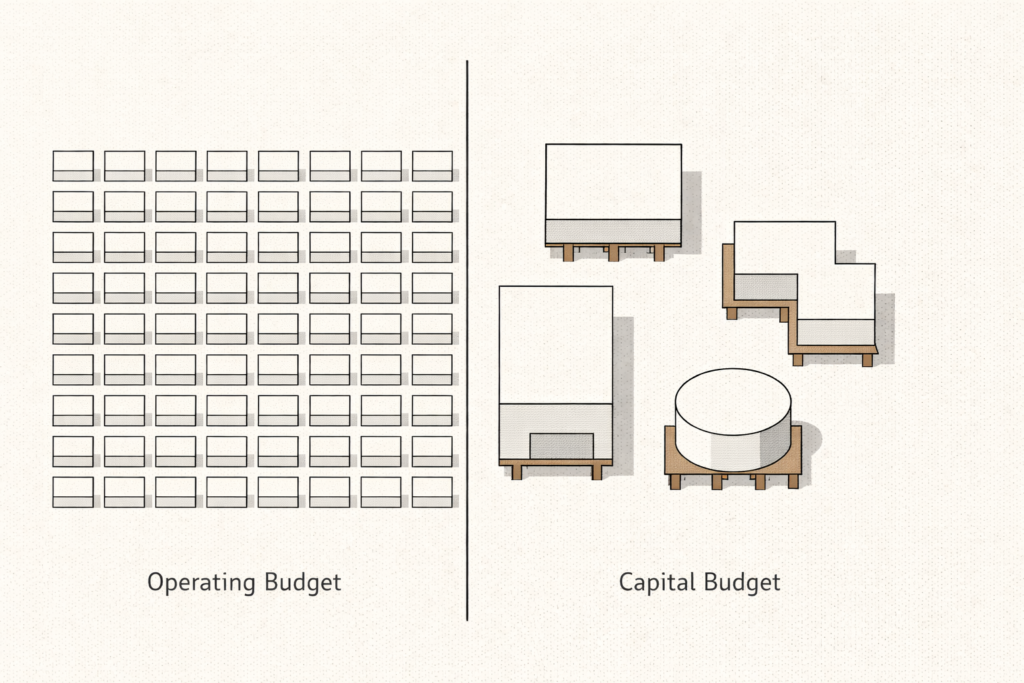
Operating vs capital budgets determine how cities maintain daily services while investing in long-term infrastructure. Understanding the structural split between recurring operating expenses and capital investment reveals how public priorities shape stability, debt, and future growth.
Calm men do not destabilize systems by force. They expose weakness by refusing to react. In insecure systems, restraint reads as threat, and stability provokes escalation rather than trust.