

When Incentives Replace Restraint: Why Media Conflict Keeps Escalating
When attention is monetized and restraint is optional, conflict stops being a risk and becomes a product. This is how media systems fail under pressure.

System Updates is the civic intelligence arm of Groundwork Daily. It tracks the movement of power, the reconfiguration of institutions, and the quiet shifts that shape how communities live, work, and build.
The mission is simple. Translate complexity into clarity. The world runs on systems, from policy to budgets to incentives to technology. Most of that machinery operates in the background. This series brings those systems to the surface. Each report explains how they work, what is changing, and why it matters for anyone building stability in an unstable environment.
System Updates operates like an internal audit for the world outside your door. It examines numbers, incentives, structural risk, and political movement with steady precision. No noise. No theatrics. No partisan choreography. Only disciplined analysis rooted in evidence and long horizon thinking.
Every installment answers three questions.
The policy decision, the budget move, the legal ruling, the technological acceleration.
The deeper pattern that sits beneath the headline.
The downstream effects on work, family, safety, opportunity, and long term planning.
System Updates exists because every community deserves clarity. Accountability is structural. People who are building a future should not have to guess how the system is moving around them.
This is civic literacy practiced with intention. This is disciplined awareness applied to public life. This is the briefing that keeps the builders ahead of the curve.
When attention is monetized and restraint is optional, conflict stops being a risk and becomes a product. This is how media systems fail under pressure.

Systems rarely collapse all at once. They drift quietly when comfort replaces accuracy. This System Updates report examines how convenience becomes policy—and why discipline is the only safeguard.
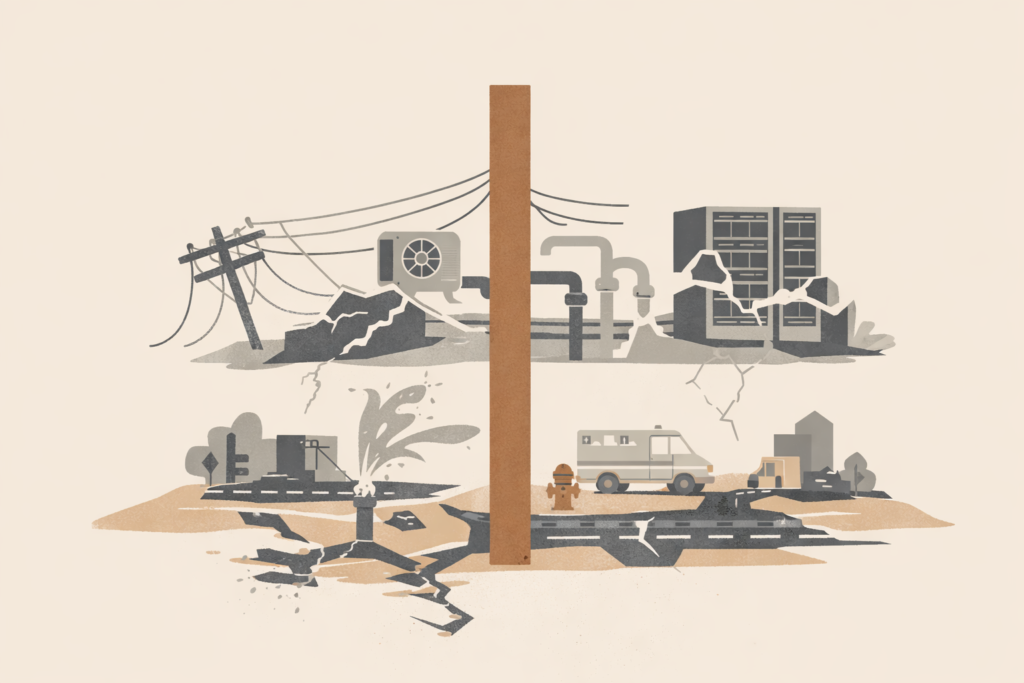
Digital infrastructure failures are rarely treated as public harm. When systems break, communities absorb the cost while platforms move on. This post examines accountability, liability, and who actually pays when digital systems fail.

The fight over “you’re insecure” is not just about feelings. It is about structure. This System Updates breakdown shows how the insecurity vs respect debate exposes whether a relationship is governed by clear rules or convenient exceptions.

Power listens when votes speak with conditions. The Mechanics of Leverage In the American system, the vote is not only

Fred Hampton showed that feeding children is political infrastructure. This System Update breaks down how a breakfast table became a threat to state power.
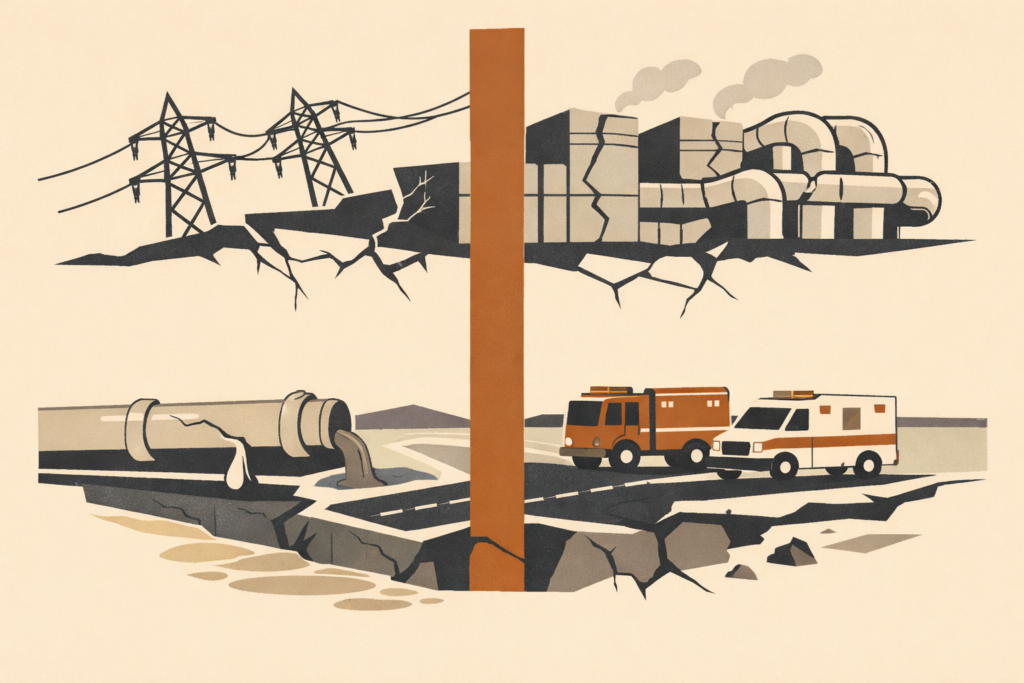
When digital infrastructure fails, costs do not disappear. This post examines who absorbs the financial, environmental, and civic consequences when systems break.

Emotional labeling often works as a feedback loop that replaces accountability with misdirection. When labels override behavior, relationships begin to operate like systems designed to avoid truth rather than resolve it.
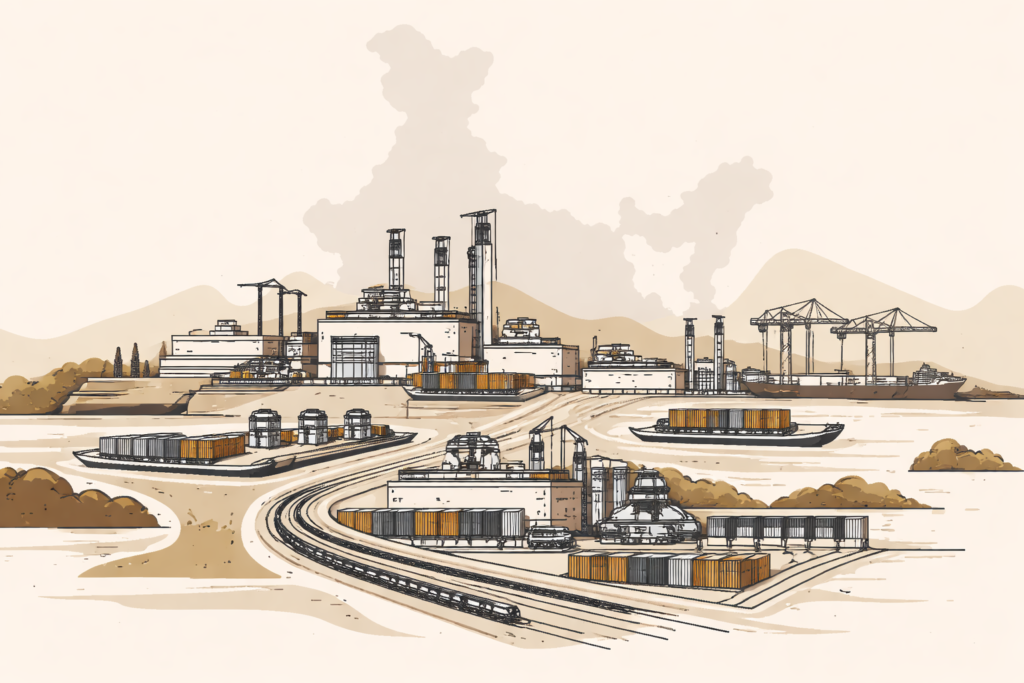
India’s rise is no longer a demographic promise. It is an earnings-led industrial pivot driven by manufacturing capacity, defense exports, and execution at scale.
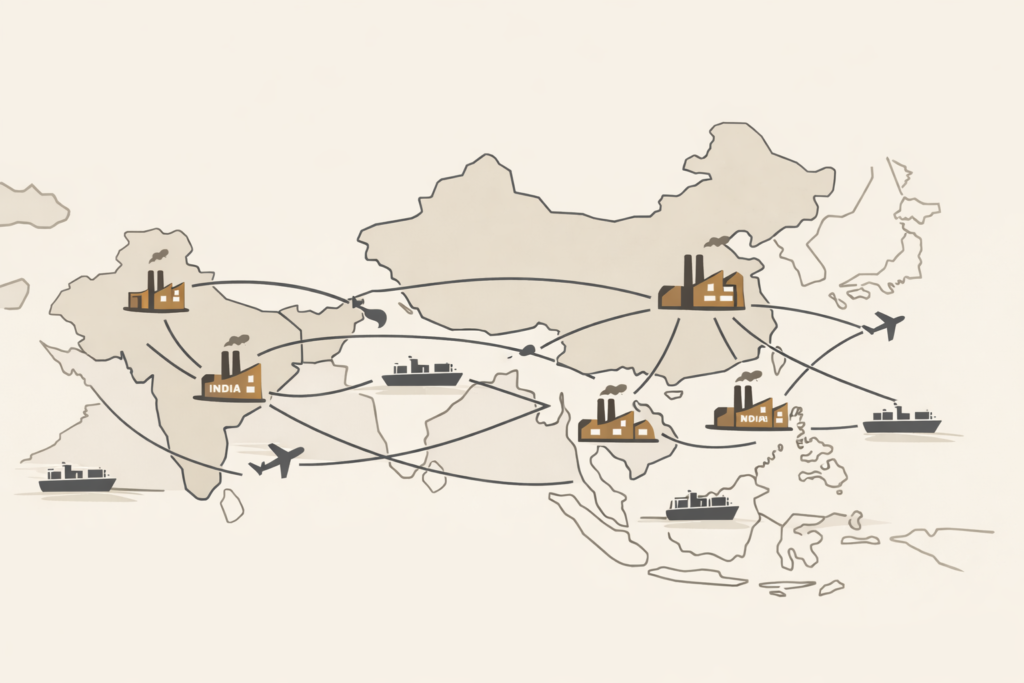
The definition of “emerging markets” has changed. Growth narratives no longer matter as much as manufacturing capacity, political legibility, and the ability to absorb global supply chain pressure. China Plus One is not a hedge. It is a redesign of how the world produces.

Pentagon NFL patriotism refers to the period when taxpayer-funded marketing dollars supported patriotic displays at NFL games. This post explains why the Department of Defense paid for those ceremonies, what changed after a Senate investigation, and why the rituals continued even after the funding stopped.

A clear explanation of what “paid patriotism” meant in American sports, how government funding entered the NFL, and why transparency mattered.