

Limits Make Discipline Stronger
Constraint builds discipline by reducing excess, sharpening focus, and making action easier to repeat with consistency.
The world is moving faster than institutions, and capability has become the new credential.
Education & Skills is where tools, frameworks, and systems thinking come together to build
clarity, structure, and real-world adaptability. This is not about degrees. It is about the
skills that make you steady under pressure, able to interpret change early, and capable of
making disciplined moves in shifting conditions.
This category includes the full Future Literacy series, clarity models, bandwidth audits,
structural thinking, capability tiers, and practical systems that help you operate with
intelligence and calm even when the environment accelerates. These are the mental structures
that support stability and upward capability at scale.
Future Literacy is a ten-part series on capability in a fast world. It focuses on the skills
that help you think clearly under pressure, protect your bandwidth, read patterns early, and
design a daily structure that holds up when conditions keep shifting.
Inside the series you will find work on clarity, decision hygiene, systems thinking,
pattern recognition, and a daily frame that makes all of it usable in real life.
Explore the full Future Literacy series
Pattern Recognition · Note
Pattern recognition is the skill of noticing what repeats, what changes, and how those
shifts tend to play out over time.
Paired with systems thinking, it turns random events into readable signals. That is how
Future Literacy moves from theory into daily decisions.
Receipts
Pew Research Center
Household, work, and capability trends.
Harvard Business Review
Clarity, cognitive load, and decision frameworks.
OECD Skills Outlook
Global skill requirements and shifting capability landscapes.
Constraint builds discipline by reducing excess, sharpening focus, and making action easier to repeat with consistency.

Precision in daily habits comes from doing fewer actions correctly. When execution improves, results follow without increasing volume.
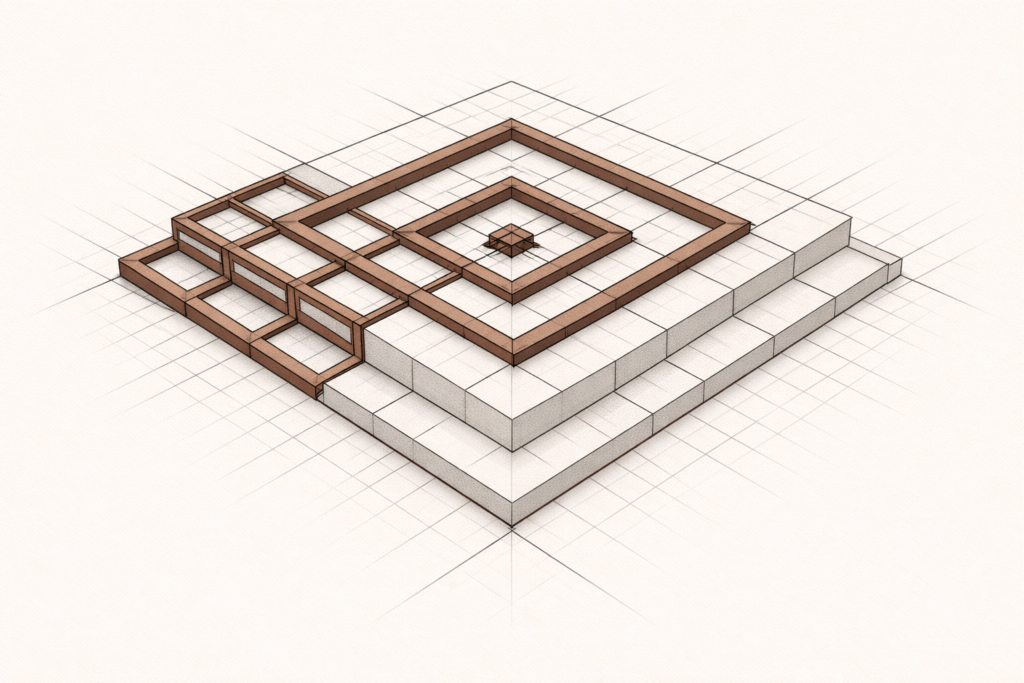
Building capacity discipline means reinforcing what was underbuilt. When the system was not designed for you, intensity is not the answer. Structural resilience is. Train for repeatability. Protect recovery. Build strength that survives real life.

Focus is not built by adding tools. It is built by removing what competes for your attention before the work begins.

Remove distractions for focus before you try to force discipline. When interference is reduced, attention becomes easier to direct and sustain.

A personal discipline standard is built through repeated actions, not declarations. What you consistently maintain becomes what you can rely on.

Consistency plateau discipline is where most people lose momentum. When progress slows and results stop showing, the system is not broken. It is stabilizing. The work shifts from chasing outcomes to maintaining structure.

Habit pattern awareness helps you see what repeats before it becomes a problem. When patterns are visible, you can adjust them early and protect consistency.
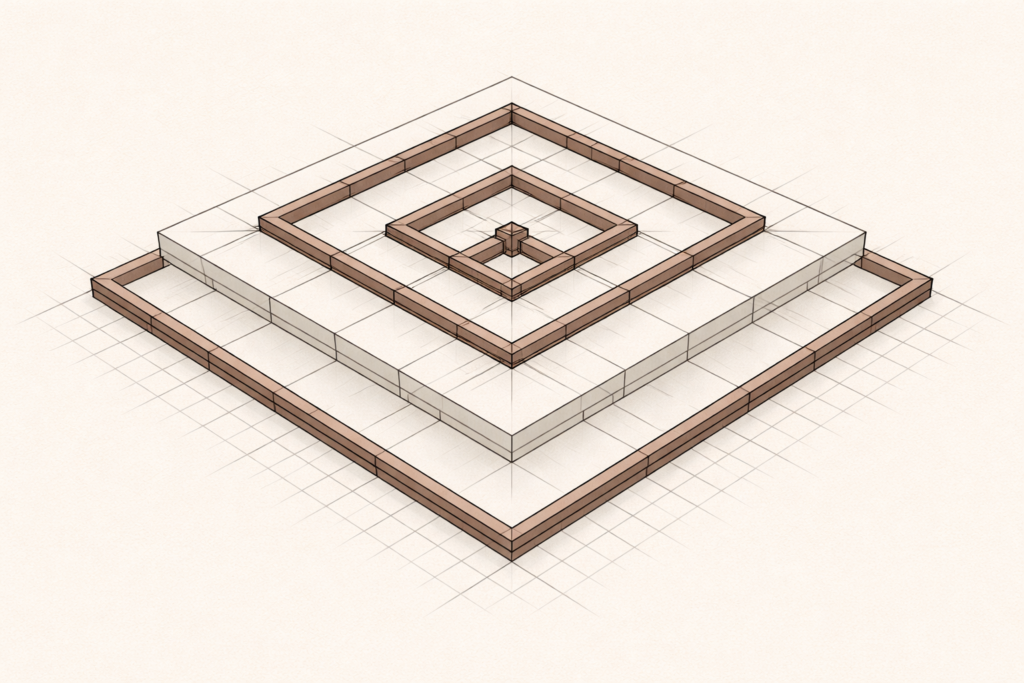
Intensity feels powerful. Capacity is what makes performance repeatable. Health discipline is about building systems that hold under pressure.

Environment habit structure shapes behavior before effort begins. When your surroundings reduce friction, consistent action becomes easier to repeat without relying on motivation.

Educational institutions do more than transfer knowledge. They shape identity, expectations, and leadership development through culture, mentorship, and institutional design.

Restarting discipline is not about beginning from zero. It is about returning to one small action that keeps the structure intact.