
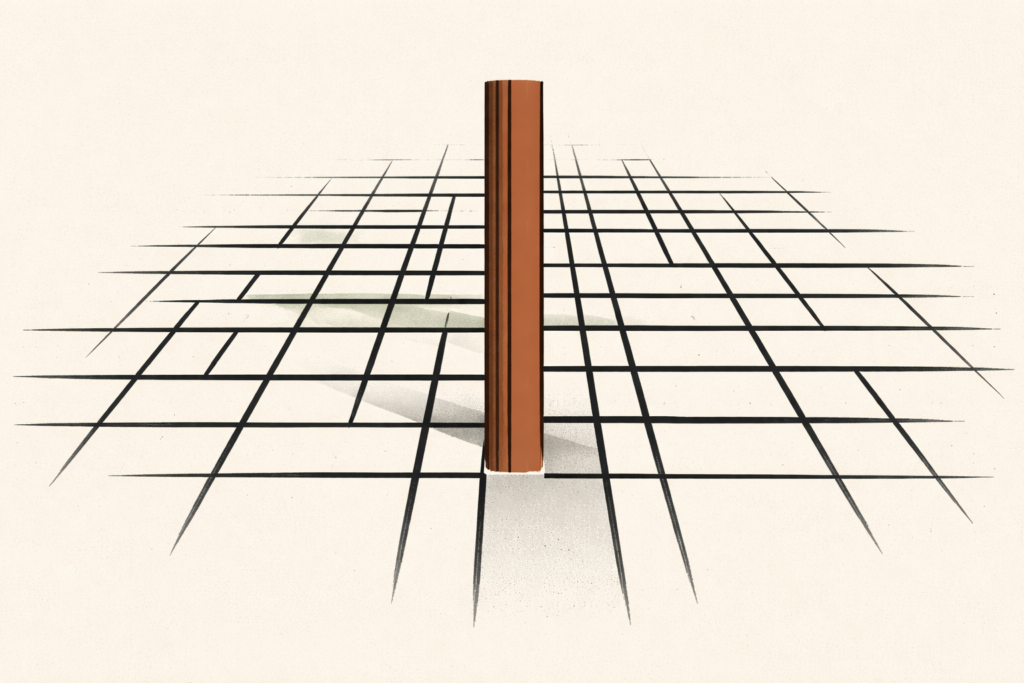
Today’s Blueprint: Reset the Baseline
Every repaired system needs a new reference point. Today’s Blueprint explains why resetting the baseline keeps improvement measurable and prevents confusion.
Daily Blueprints — calm, practical reflections that build structure, discipline, and clarity one day at a time.
Every repaired system needs a new reference point. Today’s Blueprint explains why resetting the baseline keeps improvement measurable and prevents confusion.

A quiet reset for when discipline feels heavy. This reflection explores how to reset your mind without losing momentum, using stillness, intention, and daily mental discipline to regain focus.
Systems rarely fail all at once. They drift. Standards soften, shortcuts appear, and discipline slowly erodes. Today’s Blueprint explains why protecting the standard is what keeps structure from sliding back into disorder.

A shift has moved beyond balance and continues adjusting past what the system requires. What began as necessary correction now extends into excess. The conditions have already stabilized, but the response has not slowed to match. Overcorrection emerges when adjustment continues without recalibration.
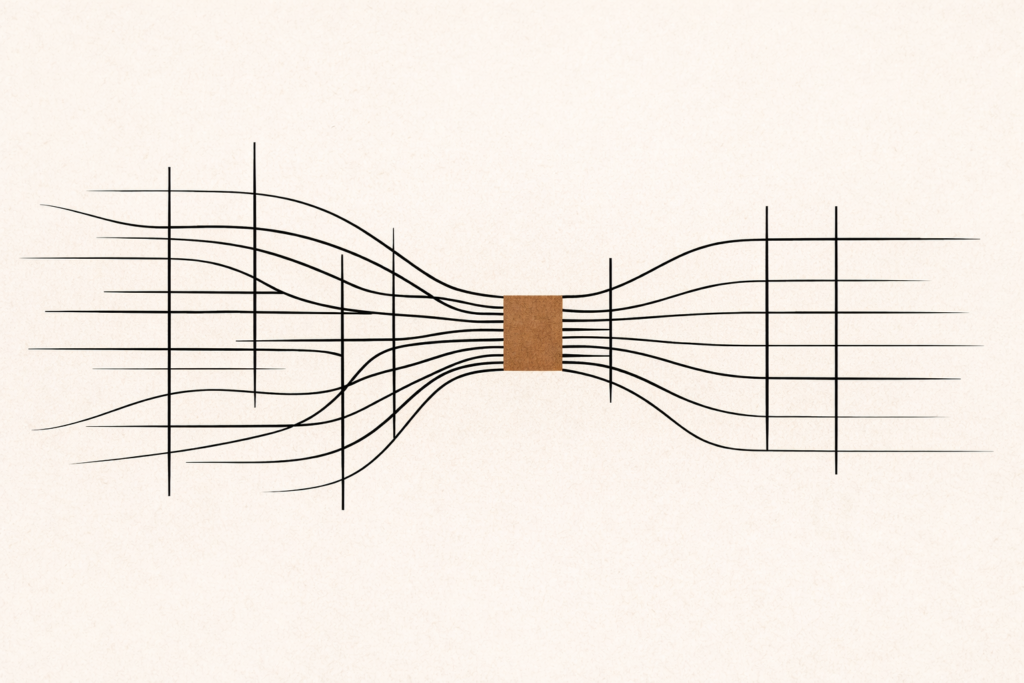
Every stalled system has a bottleneck. Progress slows not because effort is missing, but because one step cannot keep pace with the others. Today’s Blueprint focuses on identifying the constraint that quietly limits momentum.
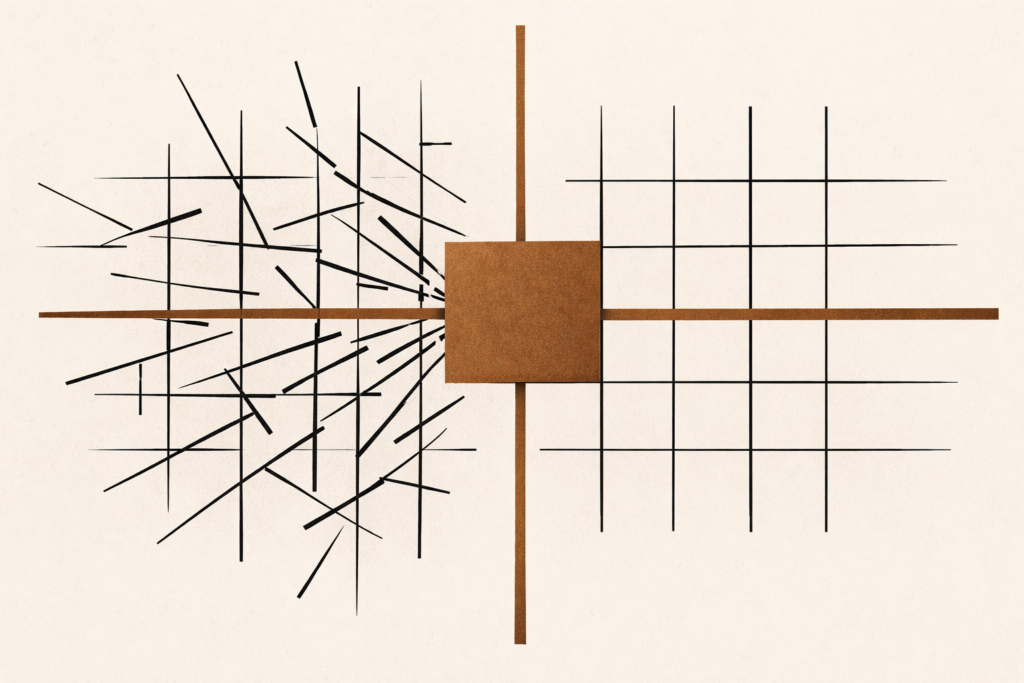
Stability before speed protects systems from avoidable failure. When processes accelerate before the structure is ready, mistakes multiply. Today’s Blueprint explains why disciplined systems stabilize first and move faster later.

The thinking laws framework explains how structured thinking improves decision making systems and prevents failure caused by unclear thinking and weak structure.
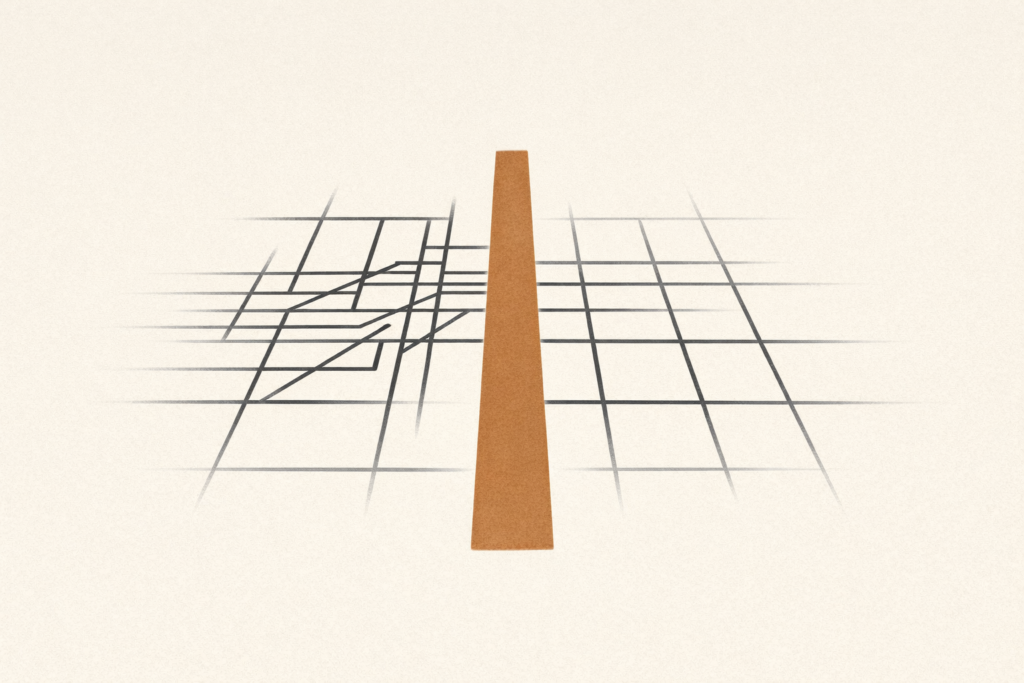
Decision friction slows execution more than lack of effort. When every step requires another choice, systems stall and energy drains. Removing unnecessary decisions restores flow and stabilizes daily systems.

Structural discipline prevents systems from drifting into disorder. Small standards weaken quietly over time, and when they do, execution slows and confusion spreads. Today’s Blueprint shows why restoring one clear standard can stabilize the entire structure.
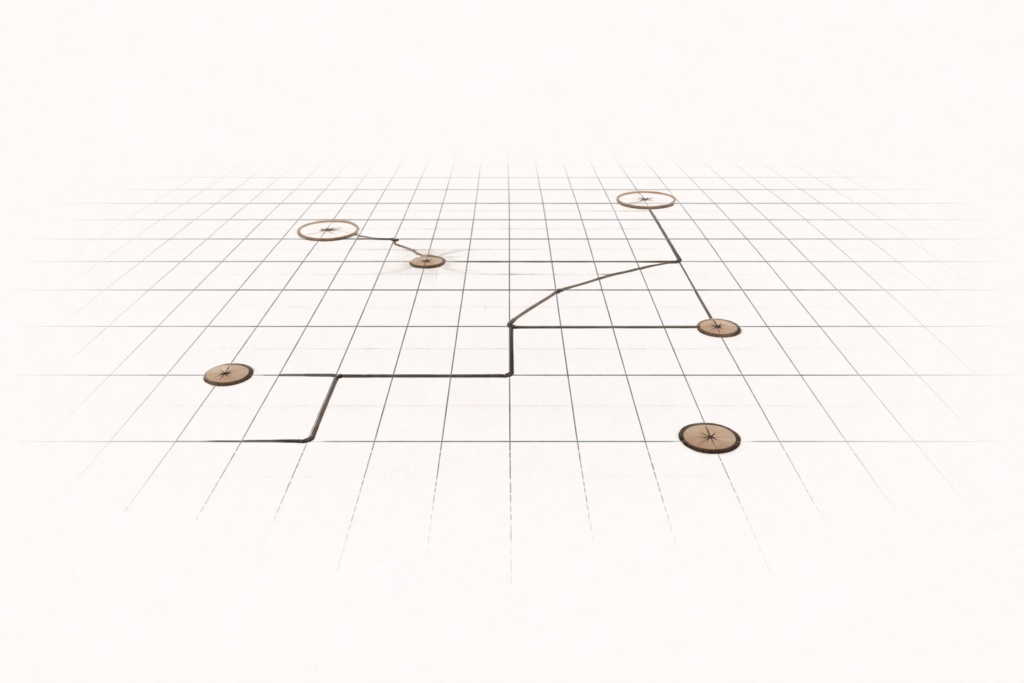
Systems rarely fail because they are impossible. They fail because friction slowly interrupts repetition. Today’s Blueprint explains why removing resistance stabilizes performance.
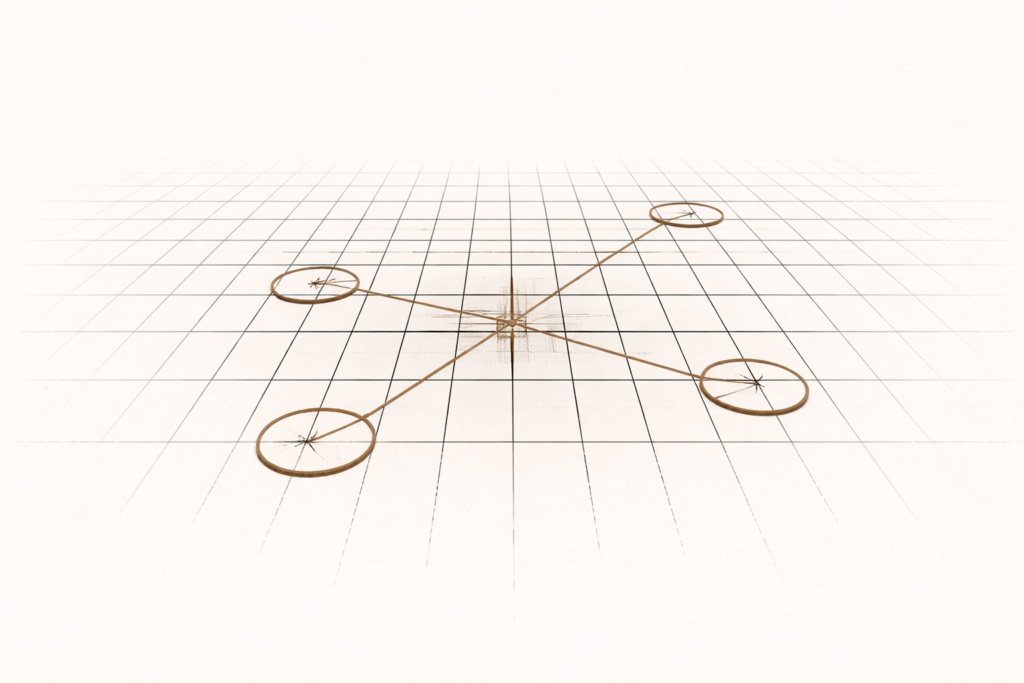
Systems rarely fail suddenly. They drift until someone audits the structure. Today’s Blueprint explains why disciplined inspection keeps systems stable and prevents quiet collapse.
Systems weaken when standards exist only on paper. Reinforcing a standard keeps expectations clear, prevents drift, and stabilizes the entire structure before small failures multiply.