

The Path Discipline: What Quiet Makes Possible
The path becomes easier to hear when it no longer competes with proof, counting, or constant correction.

The Path is Sister Elder Maya Okoro’s foundational Groundwork Daily series on discipline, correction, maintenance, and earned direction.
It is built for people who are done depending on motivation and ready for maintenance, the quiet and repeated work that keeps life aligned after excitement disappears.
Its mission is simple: turn correction into clarity. Most people do not lose direction because they lack desire. Instead, drift begins when attention weakens, standards soften, or necessary adjustments keep getting postponed.
The series treats correction as information rather than punishment. It also treats discipline as infrastructure rather than mood. Direction does not remain clear because it was chosen once. It remains clear because someone continues maintaining it.
The Path operates like a personal audit. Each installment names the pattern, identifies the point of drift, and returns the reader to what still holds.
There is no hype, shame, or performance. The work focuses on attention, repetition, honest adjustment, and the small decisions that compound into stability over time.
Every installment answers three questions.
This is the moment attention slipped, the habit weakened, the standard softened, or an exception quietly became a pattern.
The correction is the smallest honest adjustment that repairs direction without creating unnecessary chaos or demanding a dramatic restart.
The practice is the repeatable action that protects alignment when life becomes loud, inconvenient, tiring, or unfamiliar again.
The Path exists because discipline is not a personality trait. It is a maintained system.
People building a stronger life need something more durable than motivation. They need structures that survive ordinary days, interrupted routines, emotional resistance, and the seasons when progress no longer feels new.
That is why correction matters. Correction does not interrupt direction. When received honestly, it confirms direction by removing what has begun to weaken it.
This is quiet progress practiced with intention. This is maintenance without performance. This is correction that confirms direction.
This is the path that does not need to announce itself.
The path becomes easier to hear when it no longer competes with proof, counting, or constant correction.
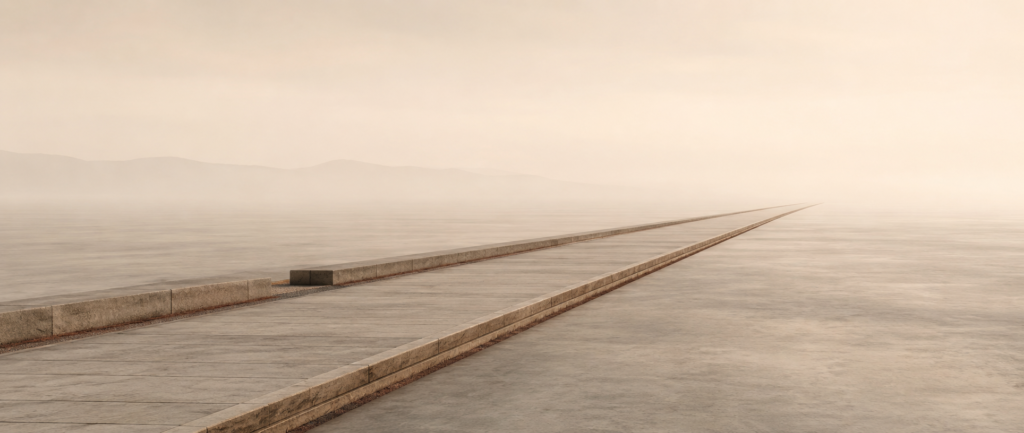
Some paths deepen after attention leaves the scoreboard. Discipline matures when continuation matters more than constant measurement.

Some paths become trustworthy long before they become impressive. Discipline matures when constant proof is no longer required.

The path becomes real when novelty fades. Discipline matures when continuation no longer depends on excitement.
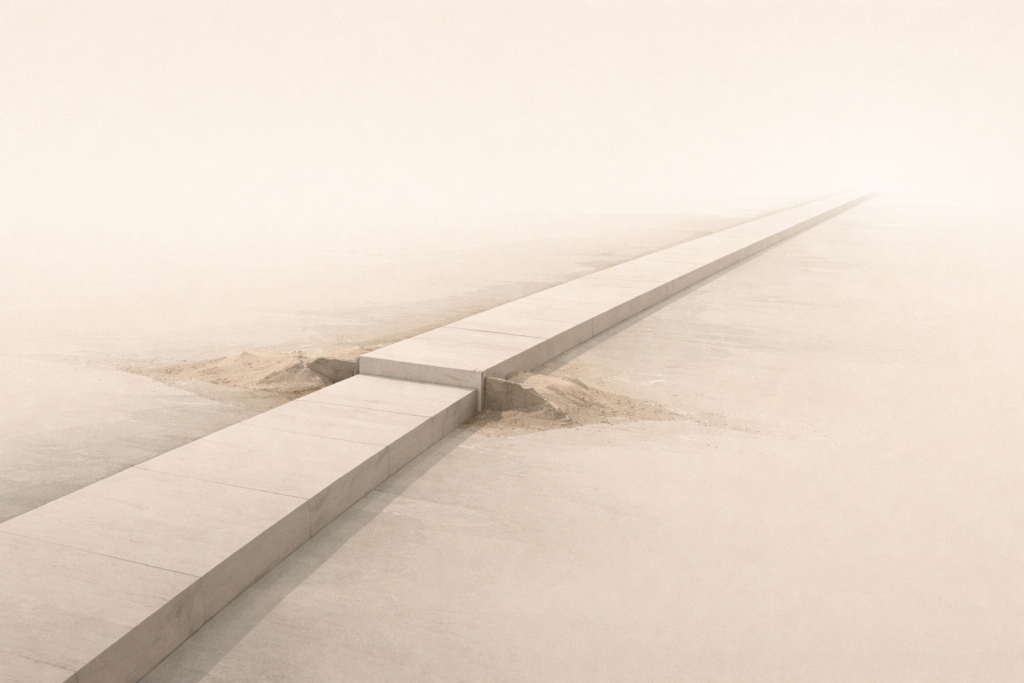
Returning without starting over is the discipline of continuity. Interruption does not erase direction. It only pauses execution.
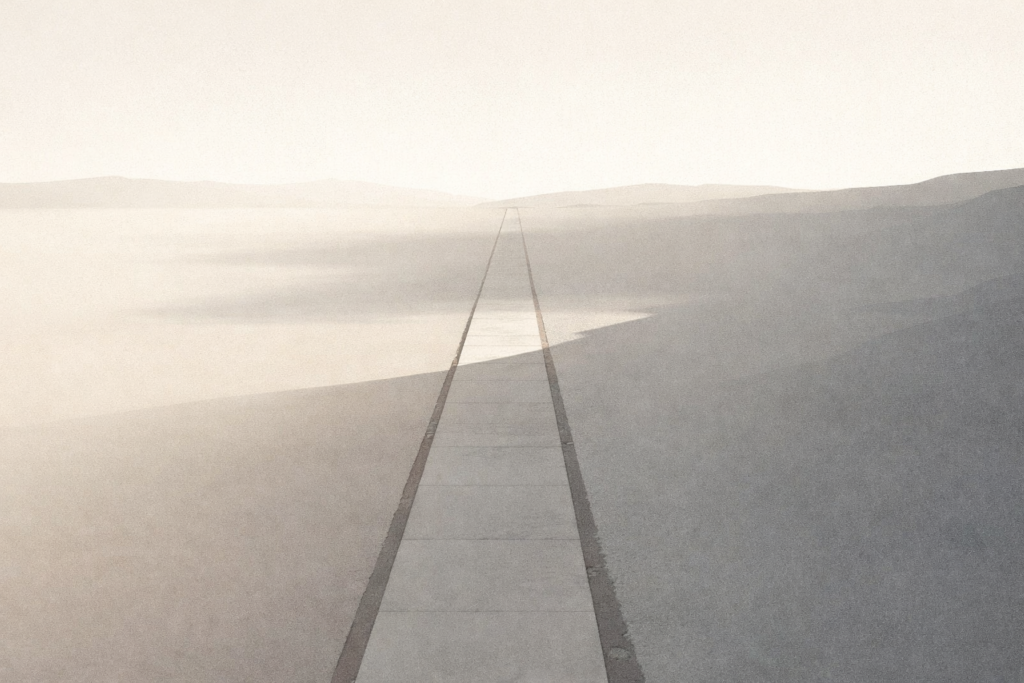
Interruption does not end the path. It reveals whether the path lived inside you or depended on ideal conditions.

The Path discipline after choice is not motivation. It is maintenance. After the decision is made, the work becomes quiet stewardship: repairs, reinforced edges, and repeatable routines that keep drift from returning.
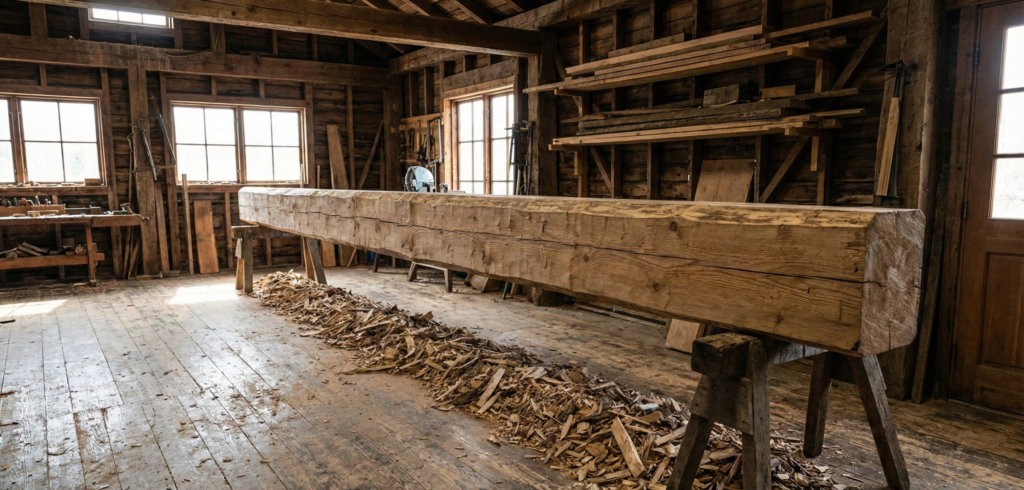
Discipline on the path is revealed less by what is added and more by what is quietly laid down over time.

Correction does not interrupt the path. It confirms it. Discipline is revealed through adjustment, restraint, and continued attention.

The path does not announce itself. It reveals itself through repetition, correction, and the quiet discipline of maintenance.