

Reading Map
Groundwork Daily Builder
Diaspora & Migration
Isabella Jean Ramírez builds at the intersection of diaspora, migration, belonging, and cultural identity. Her Groundwork follows what people carry across borders and generations, then examines what happens to language, memory, family history, and home after the physical crossing is over.
Migration may begin with movement. However, its consequences continue inside families, institutions, relationships, and everyday decisions. Therefore, Isabella’s work focuses not only on where people go, but also on what they preserve, translate, adapt, and rebuild once they arrive.
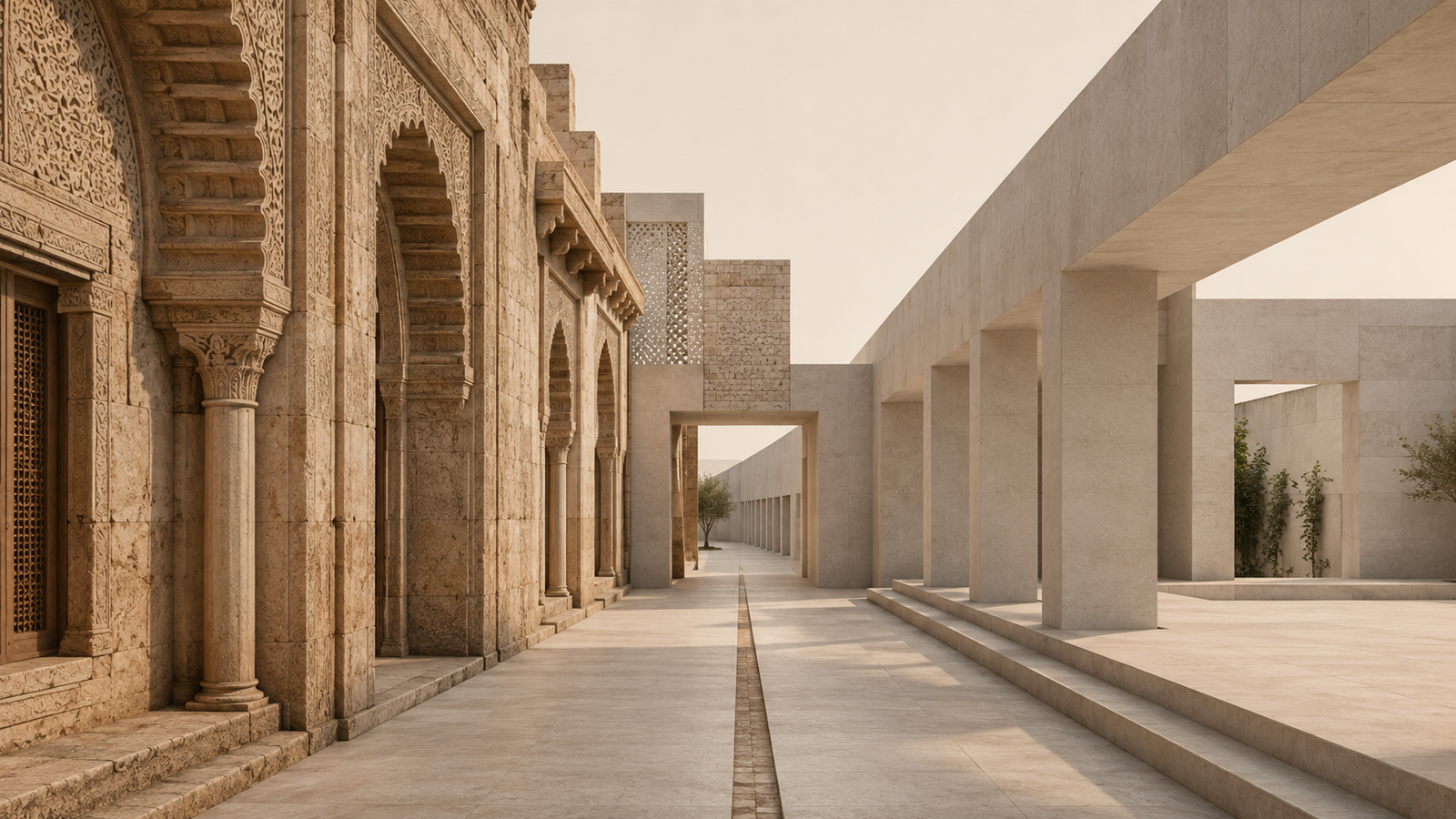
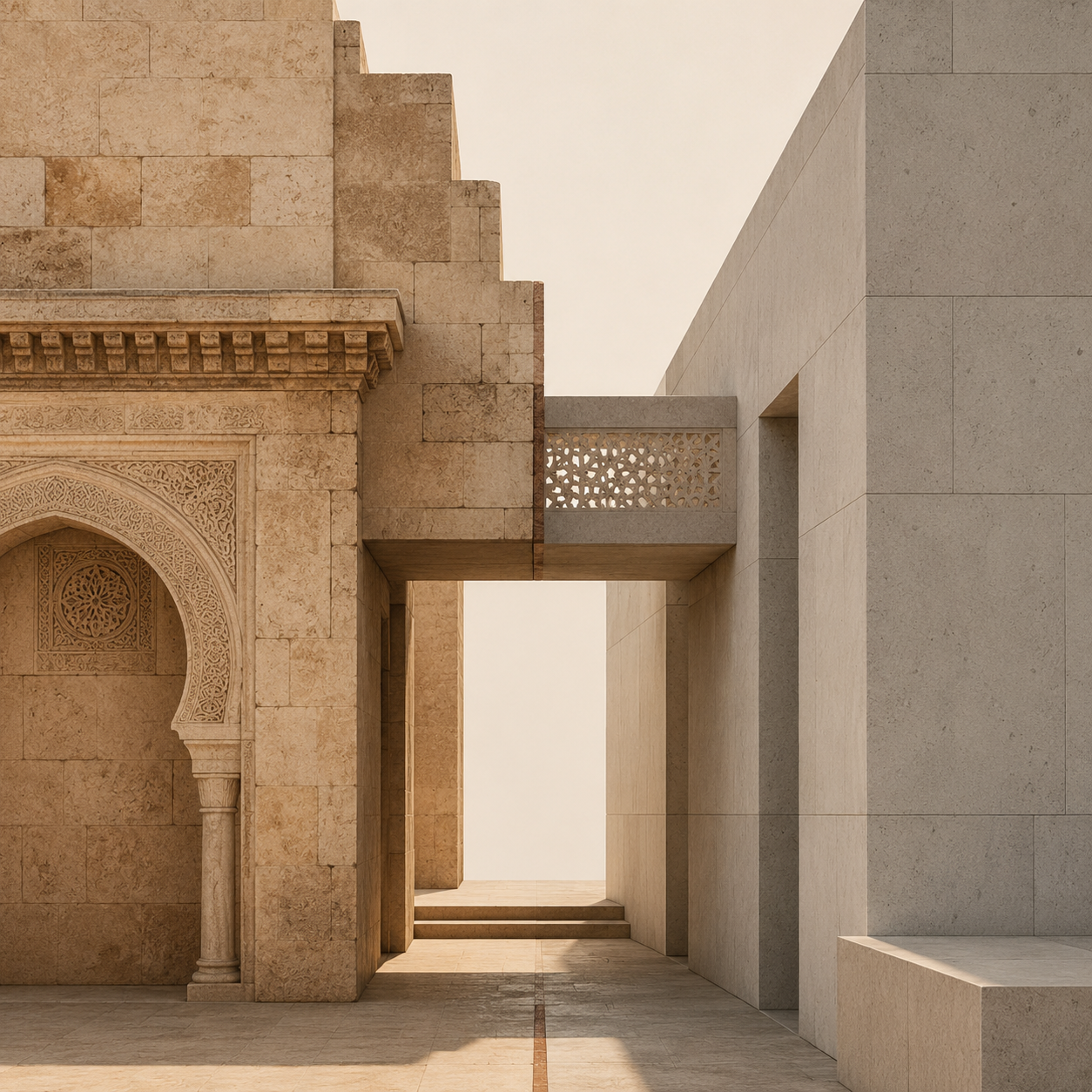
Builder Territory
Isabella Jean Ramírez and Diaspora & Migration
Isabella examines migration as more than movement between places. Arrival changes an address, but it does not settle every question of identity. Instead, families continue translating themselves through language, memory, names, rituals, expectations, and new definitions of home.
As generations move forward, some inheritances remain visible while others become quieter. A name may survive even when its geography is distant. Likewise, a ritual may continue after its original context has changed. A language may remain in fragments, while memory still carries its emotional rhythm.
Because of that, Isabella follows migration into domestic life. Her work asks what happens after people arrive, after children grow up between worlds, and after belonging becomes more complicated than geography alone.
Governing Question
What do people carry forward when geography changes, generations move, and belonging must be built between more than one world?
Builder Lane
Belonging, Migration, and Cultural Identity
Isabella’s lane is built around three connected territories. Although each can stand alone, together they reveal the deeper architecture of migration.
Belonging
Belonging asks where people can settle without performing a simpler version of themselves. Therefore, Isabella looks at home, recognition, memory, and cultural continuity as structures rather than feelings alone.
Migration
Migration begins with movement, yet its effects continue afterward. Isabella examines how relocation reshapes family roles, language, access, memory, and expectations across generations.
Cultural Identity
Cultural identity changes through adaptation. However, change does not automatically mean erasure. Isabella examines what remains, what evolves, and what becomes harder to reach over time.
Builder Voice
Narrative, Bilingual, and Human-Centered
Isabella works close to lived experience. Consequently, her Groundwork begins with the human consequences of larger cultural movement. The subject may be a child interpreting an adult system, a family deciding which language survives at home, or a name carrying a geography its owner may never have lived in.
Her bilingual lens is broader than translation between two languages. It also includes translation between generations, institutions, expectations, histories, and versions of identity. In that sense, Isabella serves a specific role inside Groundwork Daily: she bridges global movement and domestic identity.
The scale may be migration. Nevertheless, the evidence is often found inside ordinary life. A kitchen table, a school form, a family story, a greeting, or a name can reveal what a border changed years earlier.
“Crossing a border changes where you live. What happens afterward changes how you belong.”
Primary Series
Borderlines
Borderlines explores diaspora, migration, identity, language, memory, and the invisible lines that shape belonging. Rather than stopping at the crossing itself, the series follows what happens afterward, when culture must continue through ordinary life.
For example, a name can preserve geography. A child can become the interpreter between a household and an institution. Meanwhile, a heritage language can fade through convenience rather than rejection. Home can also survive without remaining tied to one address.
These are not separate subjects. Instead, they reveal how migration continues through families long after physical movement stops.
That broader concern also connects Isabella’s work to the preservation and transmission of living culture. For additional context, UNESCO’s Intangible Cultural Heritage programme examines how practices, expressions, knowledge, and traditions are transmitted across generations.
Selected Groundwork
Start With Isabella Jean Ramírez
Isabella’s early Borderlines work establishes the architecture of her territory through names, translation, language, memory, and home. Together, these pieces show how identity moves through generations rather than simply across geography.
Names
The Geography Inside Our Names
Names can preserve migration, language, memory, family history, and places that may no longer be physically close. Therefore, identity often begins with an inheritance before it becomes a choice.
Translation
The Children of Translation: Growing Up Between Two Worlds
Children can become bridges between languages, institutions, cultures, and generations. As a result, translation can become family infrastructure long before a child understands the responsibility.
Language
The Language We Lose Before We Notice
Heritage language carries emotional and cultural memory. Nevertheless, it can disappear through ordinary decisions repeated across generations rather than through one dramatic act of rejection.
Home
Where Home Begins When It Isn’t a Place
Belonging can remain rooted in memory, relationships, language, ritual, and recognition even when geography changes. In other words, home can become a pattern rather than a single location.
The Isabella Lens
Migration Is Only the Beginning
Isabella does not treat migration as a single departure followed by a clean arrival. Instead, she follows its afterlife.
Where does the old language go when children answer in a new one? What happens when a name carries a place the next generation barely knows? Likewise, when does adaptation create continuity, and when does it create distance?
These questions connect global systems to domestic life. Consequently, large-scale movement becomes visible through ordinary experiences: family roles, language choices, rituals, stories, institutions, and definitions of home.
Isabella’s Groundwork therefore lives between movement and memory. She examines not only what people leave, but also what they continue carrying after departure.
Reader Promise
What Readers Can Expect
Expect human-centered Groundwork on migration, diaspora, language, memory, and cultural identity. Isabella Jean Ramírez connects the large forces that move people across borders to the intimate realities that continue inside homes, families, and communities.
Her work makes room for complexity. Tradition is not automatically romanticized. Likewise, adaptation is not automatically treated as loss. Instead, Isabella asks what is being carried, what is changing, what deserves protection, and what may disappear when nobody notices.
Above all, the reader should leave with a better language for understanding belonging. That includes belonging to a family, a place, a language, a culture, and sometimes several of those at once.
Groundwork Architecture
What Holds Isabella’s Groundwork
Isabella’s territory repeatedly returns to a structural question: how does something essential survive when the carrier changes?
A family moves. A child becomes an adult. A language loses speakers. A home changes geography. Yet some knowledge, practices, memories, relationships, and meanings continue. Therefore, her work naturally connects cultural identity to the larger Groundwork problem of continuity.
Core Principle
Build What Holds
An inheritance matters when it can survive pressure, change, maintenance, transfer, and time without losing everything that made it valuable.
Primary Condition
Continuity
Continuity preserves essential function, knowledge, standards, and purpose when the person, place, generation, or carrier changes.
What Isabella Jean Ramírez Carries Forward
Migration changes people because movement changes context. However, change does not erase every connection to what came before.
Sometimes continuity lives in language. Sometimes it lives in ritual, names, memory, recipes, family stories, or ways of recognizing one another. In other cases, continuity survives only in fragments.
Isabella’s work pays attention to those fragments because they reveal something larger. What people carry forward can become the structure through which a new form of belonging is built.
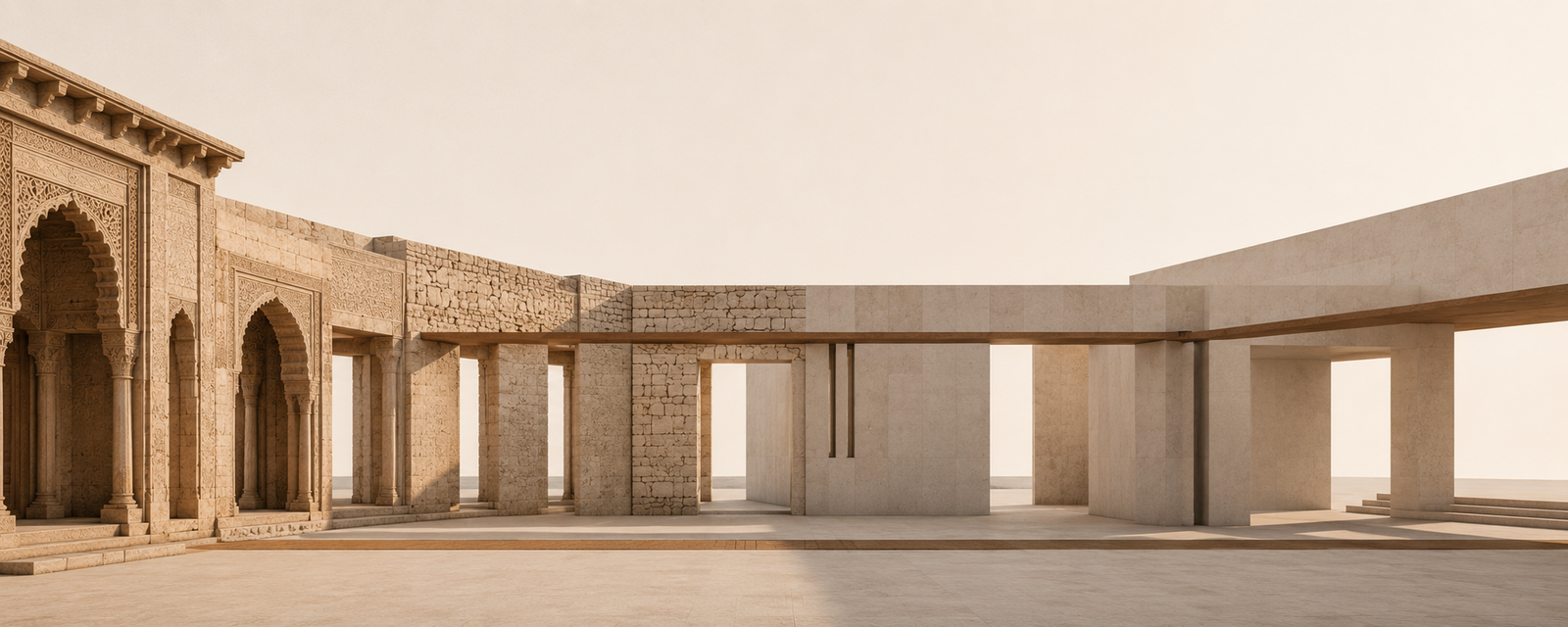
Continue Building
Follow Isabella’s Groundwork from her Diaspora & Migration territory into the series and category that carry the work forward.
→ Series: Borderlines
→ Category: Culture, Media & Leadership
Build better. Every day.
Groundwork Daily examines the systems, histories, relationships, and structures that shape how people live. Get new Groundwork delivered directly, without noise or urgency.