
You Can’t Eat Freedom
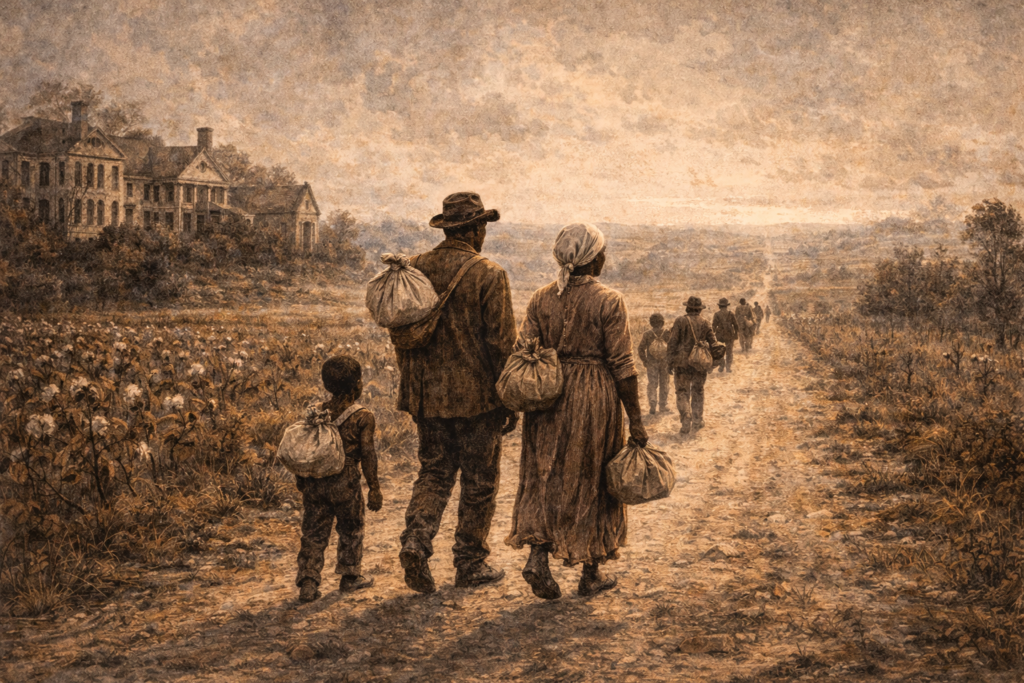
Freedom ended slavery in 1865, but it did not immediately end hunger. Without land, capital, or economic security, many newly freed families faced the difficult task of building a life from almost nothing.

Freedom ended slavery in 1865, but it did not immediately end hunger. Without land, capital, or economic security, many newly freed families faced the difficult task of building a life from almost nothing.
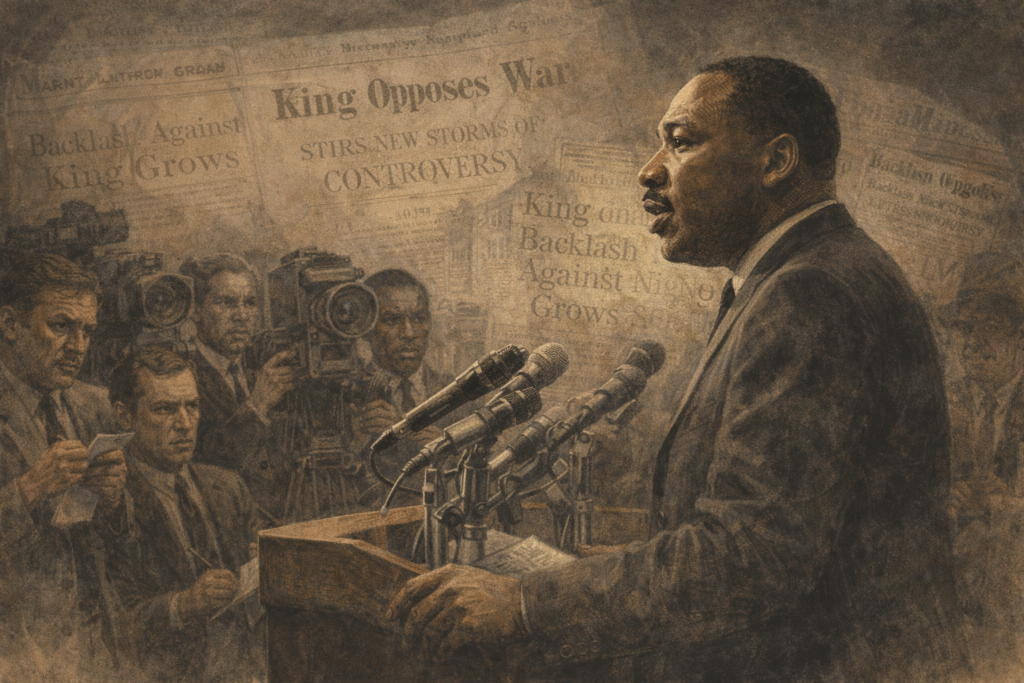
Why did Martin Luther King Jr. face broader opposition after 1965? His later work moved beyond segregation into housing, poverty, labor, Vietnam, and economic power. Understanding that expansion reveals a more complete picture of King’s final years.
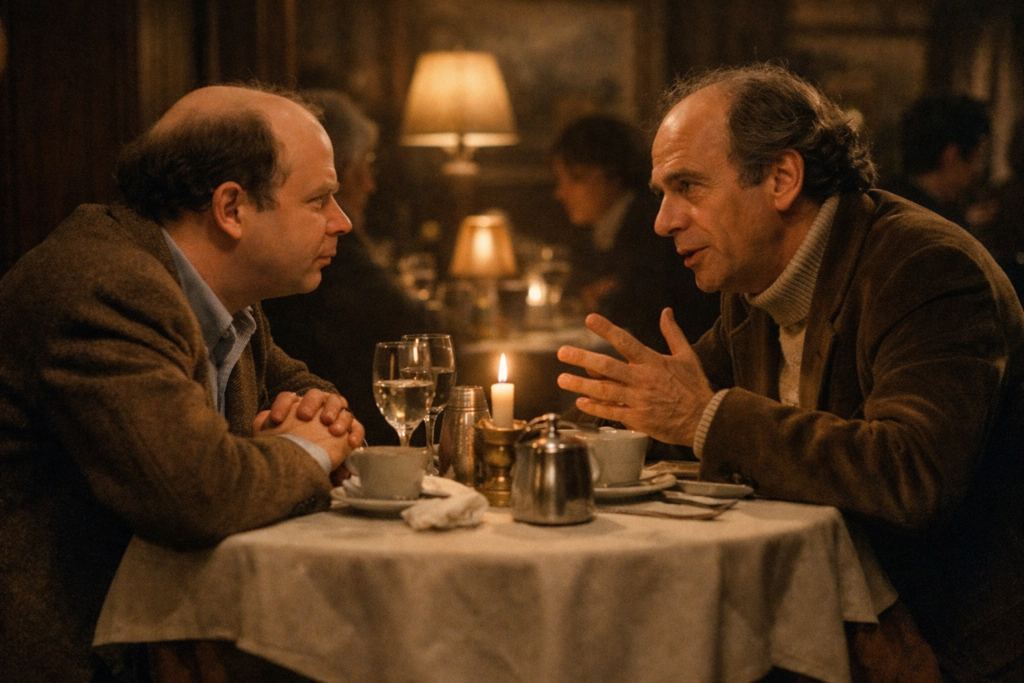
A quiet monologue from the 1981 film My Dinner with Andre argues that modern society functions like a prison people build and maintain themselves. Decades later, the idea feels even more relevant in the age of attention-driven media.

Why loud men rarely lead is not really about volume. It is about what repeated behavior reveals when confidence becomes performance and leadership lacks restraint, judgment, and clear standards.

Black diaspora identity conflict is escalating online, especially across social media platforms amplifying FBA vs immigrant debates. This piece examines how algorithmic incentives, cultural insecurity, and unresolved lineage conversations are turning identity into spectacle instead of structure.
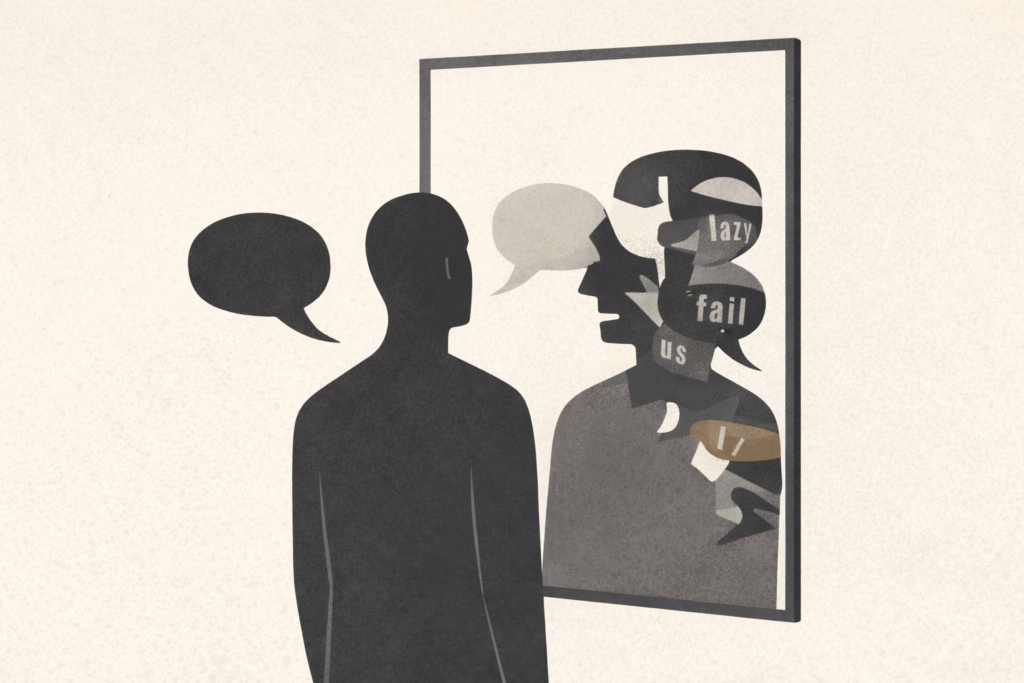
Language shapes identity in quiet ways. When communities repeat negative labels about themselves, those words can slowly influence expectations, behavior, and culture.

I thought I was mature because I stayed calm. But calm is not the same as disciplined. A journal reflection on defensiveness, ego, and learning emotional discipline in real time.

The internet taught people how to look powerful before it taught them how to be grounded. Somewhere along the way, presence became volume, confidence became performance, and leadership became a costume built for engagement instead of substance.
Drama dominates because it fits the incentive structure. Serious people lose because substance does not perform well in attention economies designed for spectacle.

He chose stability. He came home. So why does something still feel unfinished?
This Real Talk Blueprint flips the lens on modern relationship expectations and asks what partnership requires after the chaos is gone.

Doom no longer signals danger. It signals content. This essay examines how modern media transforms social fragility into entertainment, conditioning audiences to consume collapse instead of responding to it.

Boundaries are not polite requests or emotional ultimatums. They are clear instructions backed by follow-through. When boundaries are treated as suggestions, confusion replaces accountability and enforcement disappears.