

Insulin Resistance Fitness: Why Energy Access Breaks Before Willpower
Insulin resistance is not a motivation problem. It is a communication breakdown between energy, cells, and access.
The world is moving faster than institutions, and capability has become the new credential.
Education & Skills is where tools, frameworks, and systems thinking come together to build
clarity, structure, and real-world adaptability. This is not about degrees. It is about the
skills that make you steady under pressure, able to interpret change early, and capable of
making disciplined moves in shifting conditions.
This category includes the full Future Literacy series, clarity models, bandwidth audits,
structural thinking, capability tiers, and practical systems that help you operate with
intelligence and calm even when the environment accelerates. These are the mental structures
that support stability and upward capability at scale.
Future Literacy is a ten-part series on capability in a fast world. It focuses on the skills
that help you think clearly under pressure, protect your bandwidth, read patterns early, and
design a daily structure that holds up when conditions keep shifting.
Inside the series you will find work on clarity, decision hygiene, systems thinking,
pattern recognition, and a daily frame that makes all of it usable in real life.
Explore the full Future Literacy series
Pattern Recognition · Note
Pattern recognition is the skill of noticing what repeats, what changes, and how those
shifts tend to play out over time.
Paired with systems thinking, it turns random events into readable signals. That is how
Future Literacy moves from theory into daily decisions.
Receipts
Pew Research Center
Household, work, and capability trends.
Harvard Business Review
Clarity, cognitive load, and decision frameworks.
OECD Skills Outlook
Global skill requirements and shifting capability landscapes.
Insulin resistance is not a motivation problem. It is a communication breakdown between energy, cells, and access.

Smart people are not immune to bad reasoning. This entry explains why rational thinking skills often fail—and how correction restores clarity.

Learning how to learn is the most durable future-ready skill. This entry explores why adaptive learning systems outlast tools, credentials, and static expertise.

Future literacy is the discipline of thinking ahead without prediction. It builds resilience by preparing decisions to survive uncertainty, not certainty.

Health is not about comfort or motivation. It is about governance. When the body and mind run on systems instead of moods, energy becomes reliable and pressure stops breaking the structure.
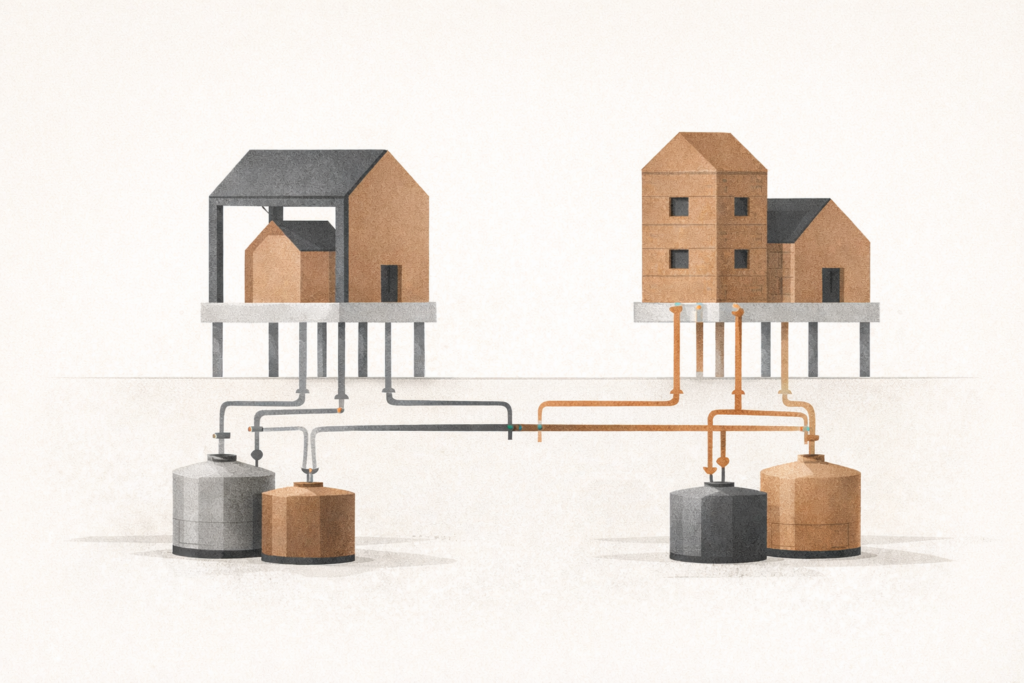
Standard fitness advice fails when it ignores metabolic variance. Different bodies process the same inputs differently, and the math matters.

Most fitness advice assumes a universal body. When the blueprint was never built for you, discipline means adaptation—not failure.

Future-ready skills are built quietly, long before change forces adaptation. This series focuses on the habits, systems, and learning practices that endure when tools, roles, and credentials shift.

Rational thinking skills are essential in a noisy world. The Rational Field introduces disciplined reasoning as a practical tool for clarity, accountability, and sound judgment.

Fitness is more accessible than ever, yet outcomes remain uneven. The problem is not effort. It is the lie that all bodies respond to the same systems in the same way.

Digital discipline begins with emotional clarity. This guide outlines five guardrails for safe, structured AI use at home and in classrooms — helping families and students balance learning with self-control.

Men in nursing is a skill path hiding in plain sight. Training, discipline, and competence make it one of the clearest routes to stability.