
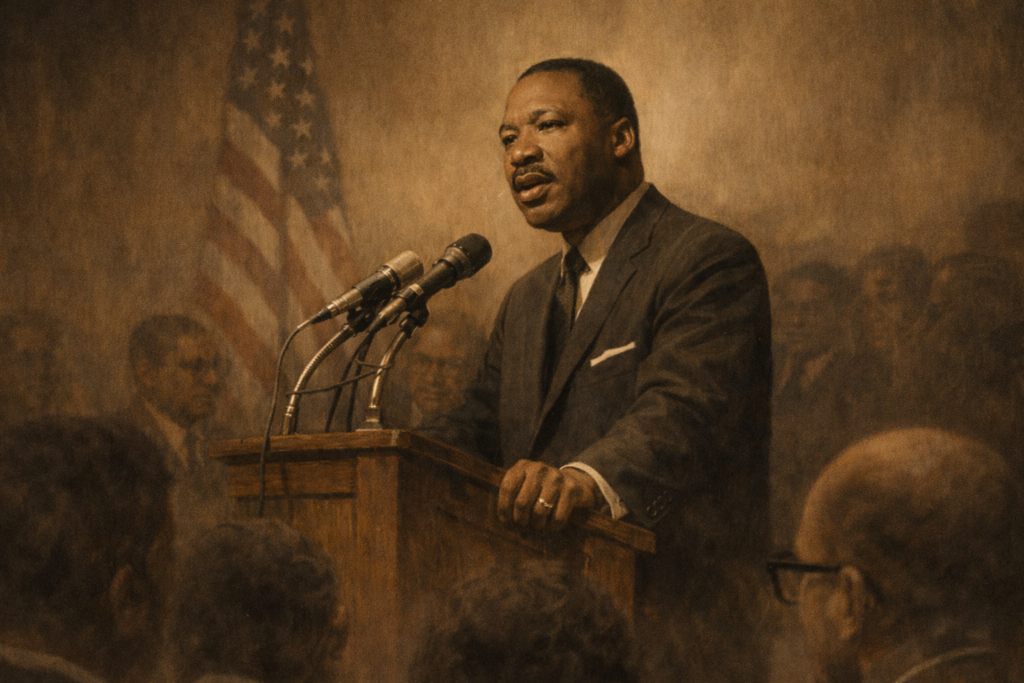
The Bootless Man Problem
What does the “bootless man” quote mean? Martin Luther King Jr used this powerful metaphor to explain why opportunity without resources can become a cruel contradiction.
Explores how systems are designed, enforced, and sustained, and how structure can create stability or entrench harm. Examines order, planning, and maintenance as tools that shape power, progress, and lived outcomes over time.
What does the “bootless man” quote mean? Martin Luther King Jr used this powerful metaphor to explain why opportunity without resources can become a cruel contradiction.

Governance is infrastructure. It determines whether markets stabilize, institutions endure, and digital systems remain accountable. Without structural oversight, power defaults to whoever scales fastest.

Intelligence does not prevent failure. Smart people make bad decisions when bias, ego, and structural pressure overwhelm discernment.

Boundary scripts create consistent limits without conflict. Remove explanation, repeat the same language, and let structure—not emotion—set expectations.

Saying yes by default erodes attention and judgment. This piece explains how to design better no’s using structure instead of willpower.

Too many lists dilute attention. The One-List Rule creates clarity by deciding what deserves focus today, and what does not.
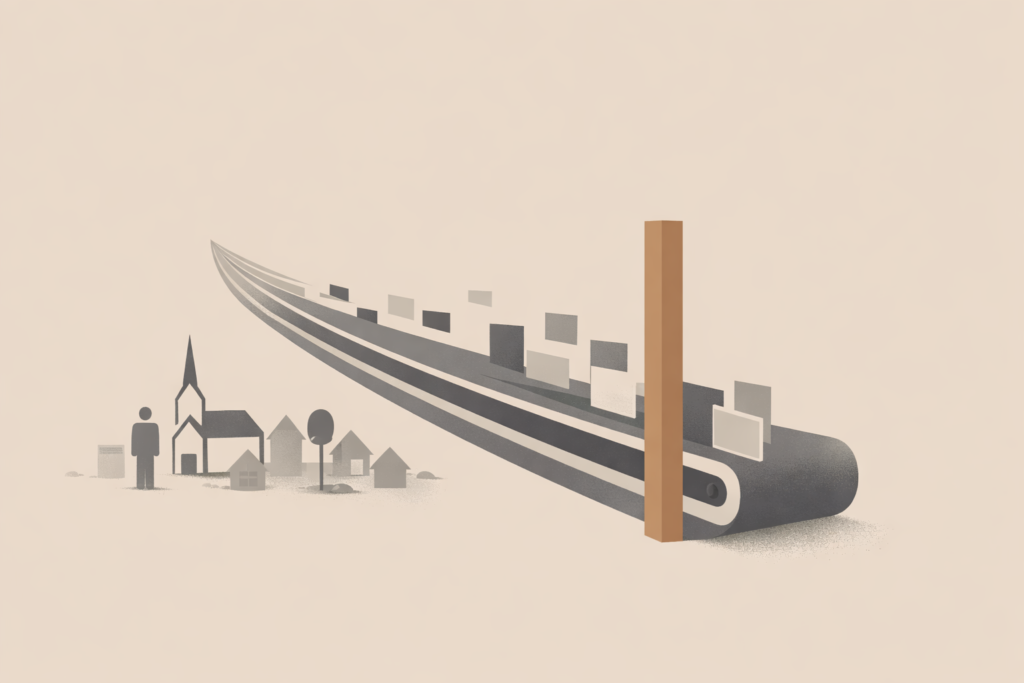
Efficiency feels neutral, but it rarely is. When automated systems prioritize speed over accountability, fairness becomes optional—and harm becomes scalable.

Structure protects orientation when life accelerates. Without systems, attention fragments and decisions drift. Learn how boundaries, sequencing, and routines keep clarity intact under pressure.
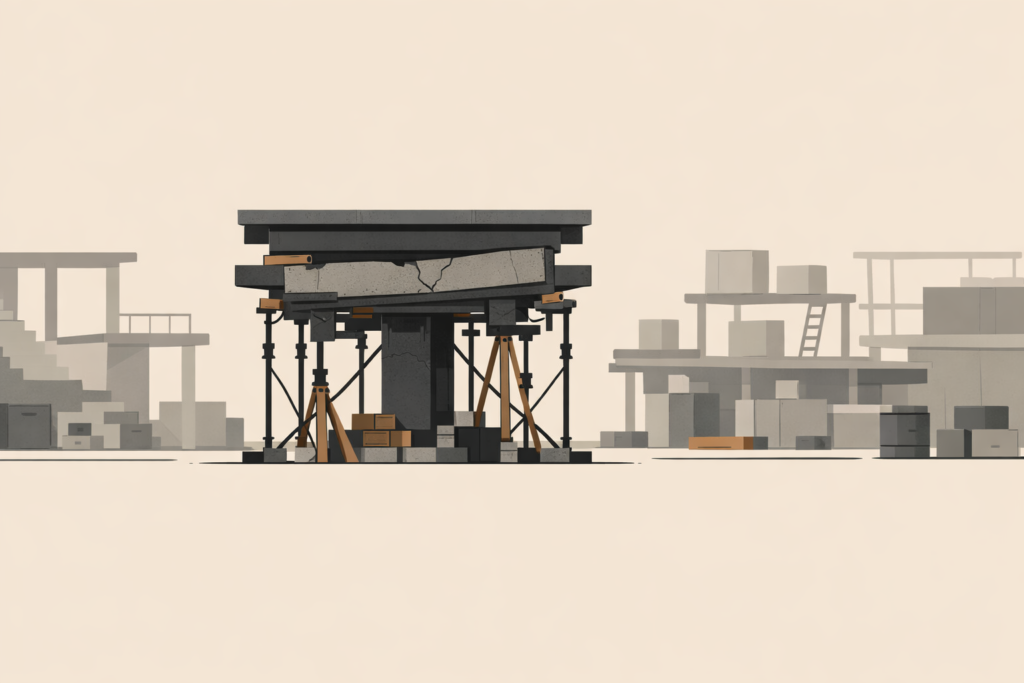
Modern systems are not failing from lack of effort. They are failing because endurance has replaced structure, and performance has replaced discipline.

Structure outperforms motivation every time. Desire flickers, but disciplined frameworks create consistent movement and predictable progress. This Pillars piece explains why systems shape better outcomes than inspiration.

Slavery did not end when laws changed. It adapted. This short guide connects historical slavery systems to modern forced labor.
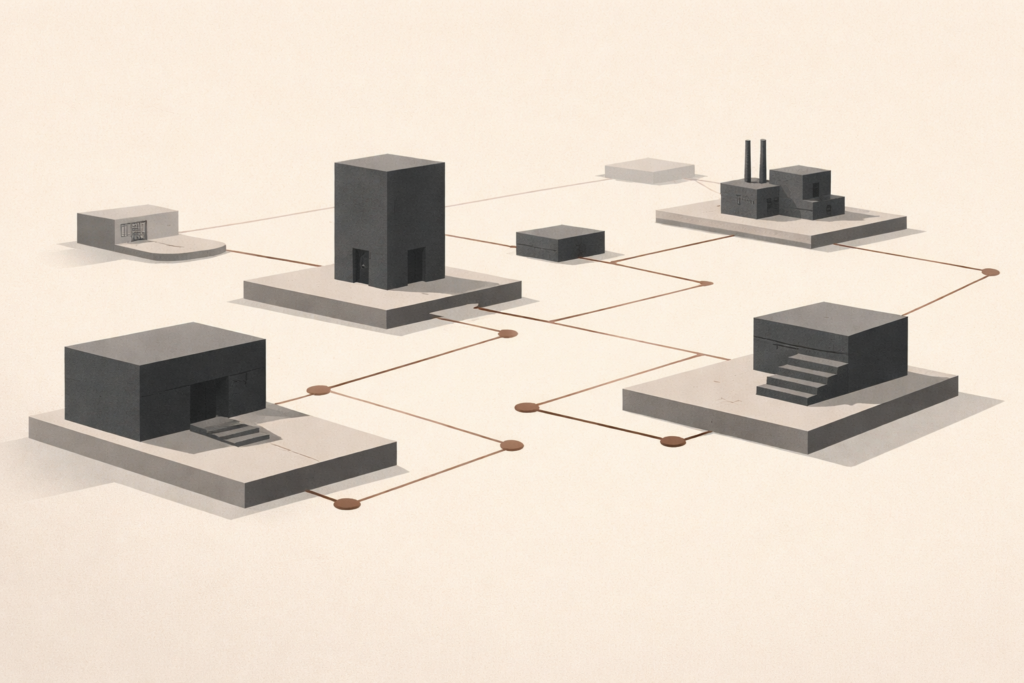
Slavery did not disappear after abolition. It decentralized. Modern forced labor persists because the structure survived even when ownership ended.